


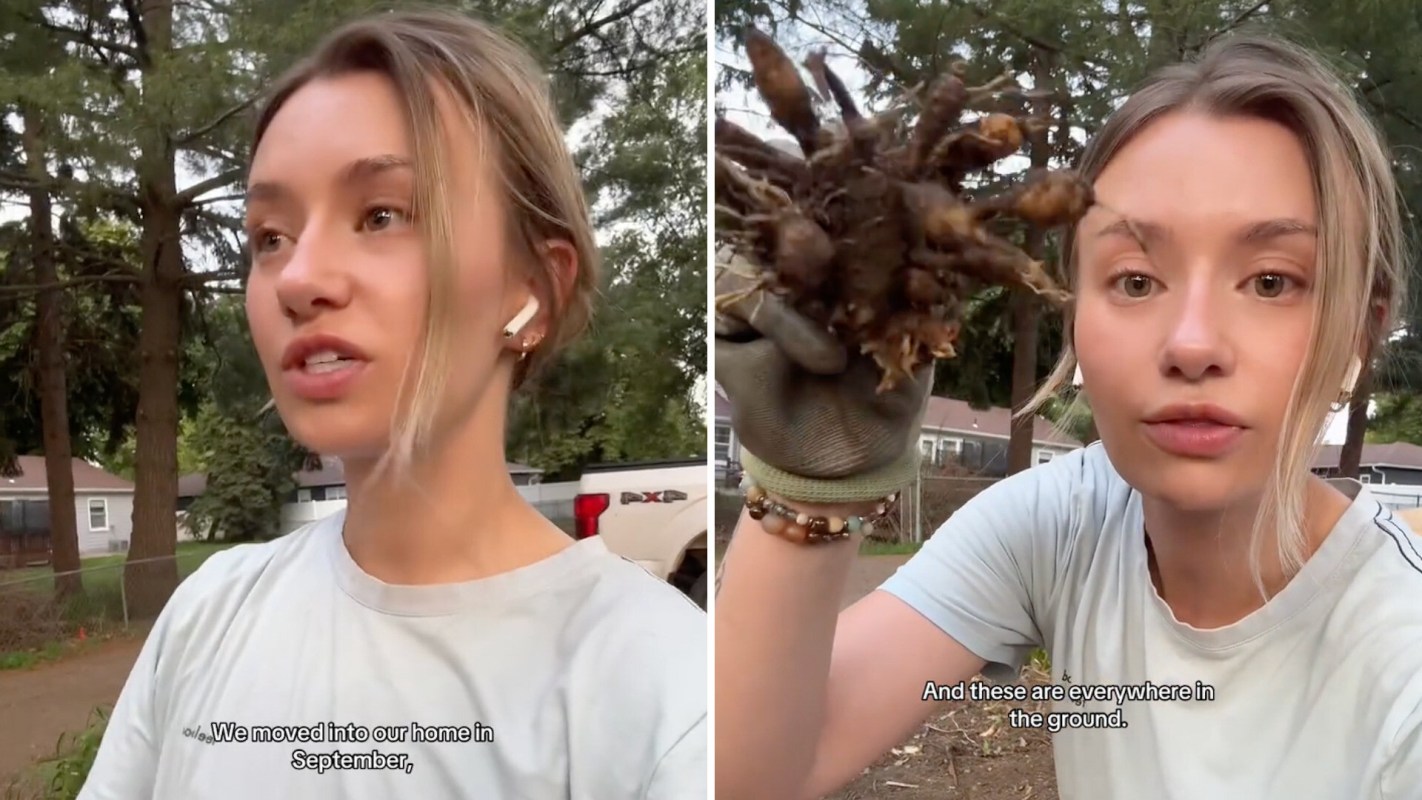
An online rant about daylilies struck a nerve after one homeowner learned that the plant taking over her yard was likely a far more aggressive and invasive species: the ditch lily.
The viral clip quickly turned into a lesson in how one plant mix-up can mean the difference between a manageable perennial bed and a yard that feels impossible to control.
What's happening?
The video opened with the line, "Anybody who ever plants daylilies in their lifetime is the devil."
@kaseykfit Nightmares about day lillies at this point #cottagegarden #newgardener #diylandscaping ♬ original sound - Kasey K
She said the issue became obvious during her first summer in the home after moving in last fall, when the flowers had already spread well beyond their original beds.
"They spread outside of garden beds, they spread into your grass, they're gonna spread into your gravel," she said. "They spread everywhere… If you think that you're just going to pull those things out, no you're not!"
As the views piled up, viewers suggested she may actually have been dealing with Hemerocallis fulva, the species better known as the ditch lily, which, rather than typical daylilies, is invasive.
TCD Picks » Quince Spotlight
💡These best-sellers from Quince deliver affordable, sustainable luxury for all




One commenter wrote: "Only the orange ones (ditch lily) are invasive. I have regular day lilies and they mound yearly but don't spread like that."
In a follow-up apology video, the creator said her mother had identified the flowers simply as daylilies, rather than ditch lilies. She added that the overgrowth had left her "overwhelmed with trying to understand how to upkeep those."
Why does it matter?
Not all daylilies behave the same way. Confusing a fast-spreading plant with a more manageable ornamental plant can lead to unexpected yard work, repeated digging, and frustration when roots keep coming back.
That maintenance burden can also cost both time and money. If a yard is already difficult to manage, having aggressive plants can mean more watering, more trimming, and more work to keep everything under control.
That is one reason many homeowners are rethinking what they plant. Replacing even part of a conventional lawn with lower-maintenance alternatives such as native plants, clover, buffalo grass, or xeriscaping can save money on upkeep, reduce mowing, and lower water bills.
These options can also create a better habitat for pollinators and other wildlife than a standard grass lawn. Even a partial swap can make a noticeable difference, especially for people dealing with thirsty turf or hard-to-control plants.

Get TCD's free newsletters for easy tips, smart advice, and a chance to earn $5,000 toward home upgrades. To see more stories like this one, change your Google preferences here.






