


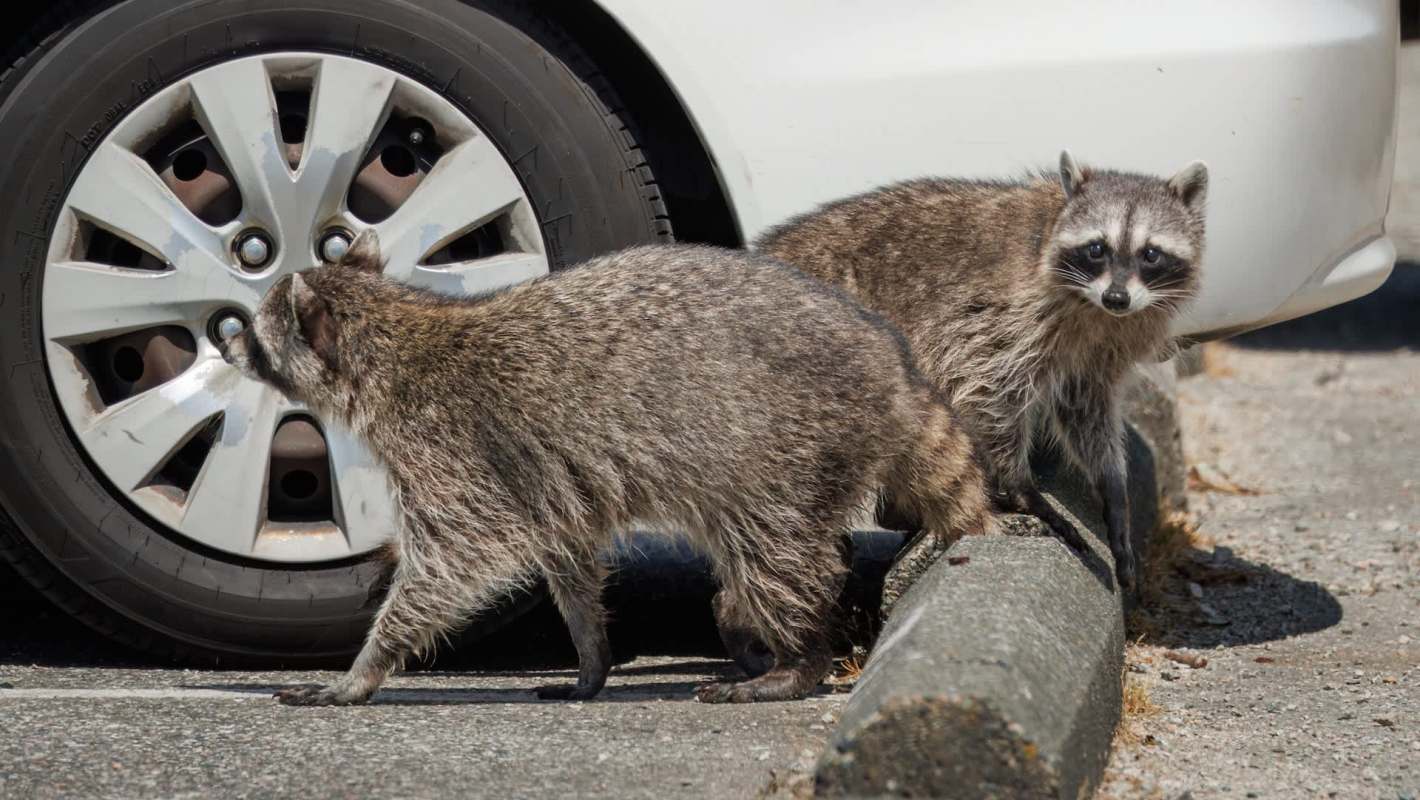
This summer, residents in Quebec's Montérégie region and parts of the Eastern Townships are being urged to stay alert as a fast-growing raccoon rabies outbreak spreads into areas near neighborhoods and cities, rather than remaining confined to rural areas.
What's happening?
Since 2024, Quebec has logged 170 cases of raccoon rabies, and the outbreak has now spread across nearly all of Montérégie and into the southwestern Eastern Townships, according to CBC News.
The change since 2024 has been dramatic: that year, officials found only one case in Saint-Armand, near the Vermont border. So far in 2026, Quebec has confirmed 76 rabies cases, including 55 in Montérégie.
"The spread is fast among the animals," said Dr. David-Martin Milot, Santé Québec Montérégie's director of public health.
Public health authorities worry that many residents still think of rabies as something found in forests or remote countryside, rather than near their own communities.
"People may think that rabies is something that happens in forests or in rural areas," Milot said. "But no, especially right now people everywhere in the rural and urban areas, they need to be aware of that risk and make the right decisions."
TCD Picks » Quince Spotlight
💡These best-sellers from Quince deliver affordable, sustainable luxury for all




Why does it matter?
Because rabies is spread through infected animals' saliva, including through bites or scratches, even what seems like a minor encounter can become a medical emergency. Human infections are rare, but once symptoms begin, the disease is almost always fatal.
Dr. Isabelle Samson, director of public health for the Eastern Townships health authority, said the danger is not limited to animals that seem obviously threatening.
"At all times there is a risk with bats, but now there is also a risk with these cute little raccoons and cute little baby skunks that we might be seeing," she said.
Animals that appear harmless can still pose a serious public health threat.
What can I do?
Anyone bitten, scratched, or exposed to an animal's saliva should immediately wash the area with soap and water for 10 to 15 minutes, then contact 811 or a health care professional for an assessment.
Do not approach wild animals or unfamiliar pets, whether they seem healthy, injured, or dead. Children should also be reminded to stay away from wildlife and to tell an adult right away if they see an animal acting strangely.

Get TCD's free newsletters for easy tips, smart advice, and a chance to earn $5,000 toward home upgrades. To see more stories like this one, change your Google preferences here.






