


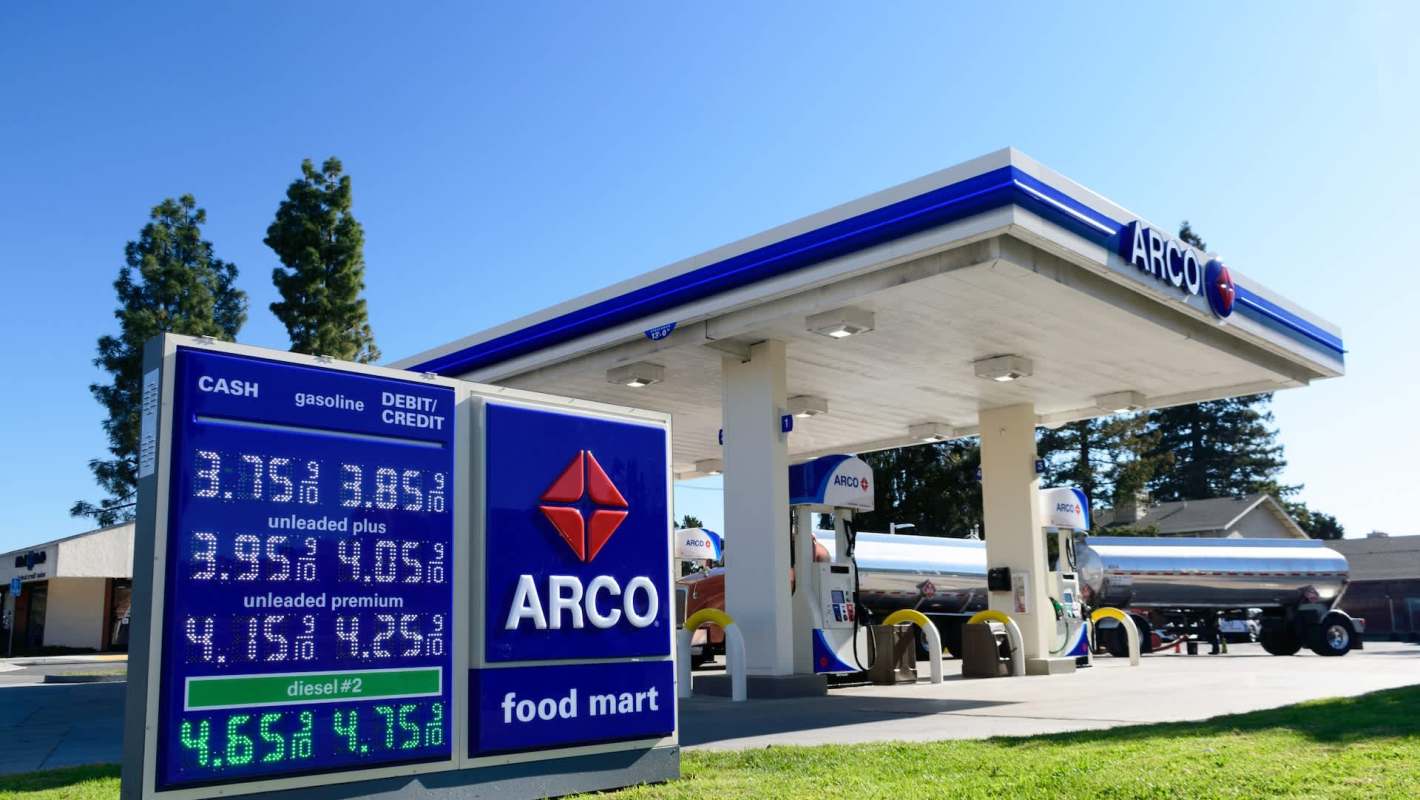
For people gearing up for summer drives, there is at least one welcome change at the pump. As AAA reports, the U.S. average for regular gasoline has recently dipped below $4 a gallon.
Crossing back under that number matters not only on a receipt but in how drivers read the market.
What's happening?
Just a month or so ago, average gas prices had climbed above $4.50, according to AAA. Now, during a peak vacation period, the trend is moving the other way.
AAA's latest figures show regular unleaded at a national average of $3.928 per gallon. That is a nice decline from $4.515 last month. Diesel has fallen to $4.980, compared with $5.622 a month ago.
Even with that recent relief, prices remain higher than many drivers would like, especially during vacation season. Mid-grade gas is averaging $4.441, while premium has reached $4.816, meaning households facing longer drives or using less fuel-efficient vehicles may still feel the strain.
The most updated figures show how sharply fuel prices have swung over the past year. AAA lists the record average for regular unleaded at $5.016 on June 14, 2022, and diesel at $5.816 on June 19, 2022.
TCD Picks » Quince Spotlight
💡These best-sellers from Quince deliver affordable, sustainable luxury for all




Where you fill up still makes a major difference, as figures from June 18 show. Among the states mentioned by AAA, the cheapest averages were in Indiana at $3.39 a gallon, Texas at $3.49, and Oklahoma at $3.50. On the high end, California averaged $5.64, Hawaii $5.57, and Washington $5.43.
Why does it matter?
A lower national average means some drivers may spend less to fill up before traveling, especially compared with a month ago, when prices were more than 50 cents higher.
Gas prices remain highly vulnerable to global disruptions, supply concerns, and geopolitical tensions, meaning relief at the pump can disappear quickly. That volatility can make it harder for households to budget for transportation during the year's busiest travel months.
The consequences of fossil fuel dependence extend far beyond fluctuating prices. Extracting, refining, and burning oil and gas contribute to extreme weather disasters that damage homes, livelihoods, and local economies.
They also fuel air and water pollution linked to asthma, heart disease, cancer, and premature death, while keeping household energy costs elevated even as corporate profits rise. At the same time, industry lobbying has slowed the transition to cleaner, cheaper energy options that could better protect families, strengthen communities, and improve public health.
What can I do?
Drivers heading out soon can make the most of the dip by planning routes carefully, comparing nearby prices, and avoiding unnecessary idling or aggressive driving, both of which burn more fuel. Keeping tires properly inflated can also improve gas mileage.
Fuel-efficient cars, hybrids, and electric vehicles can help reduce exposure to oil price swings. Even small changes like combining errands, carpooling, or using public transit when available can cut weekly fuel spending.
At the policy level, the clearest path to more stable transportation costs is to accelerate cleaner energy and cleaner vehicles while supporting workers and communities through the transition. Expanding charging access, public transit, and affordable clean transportation options can reduce pollution and make families less vulnerable to fossil fuel price spikes.

Get TCD's free newsletters for easy tips, smart advice, and a chance to earn $5,000 toward home upgrades. To see more stories like this one, change your Google preferences here.






