


Europe's dangerous early-summer heat wave is highlighting more than unusually high temperatures. It is exposing a growing weakness in the region's power system: as temperatures climb, the grid faces rising demand while some of the infrastructure it depends on becomes less reliable.
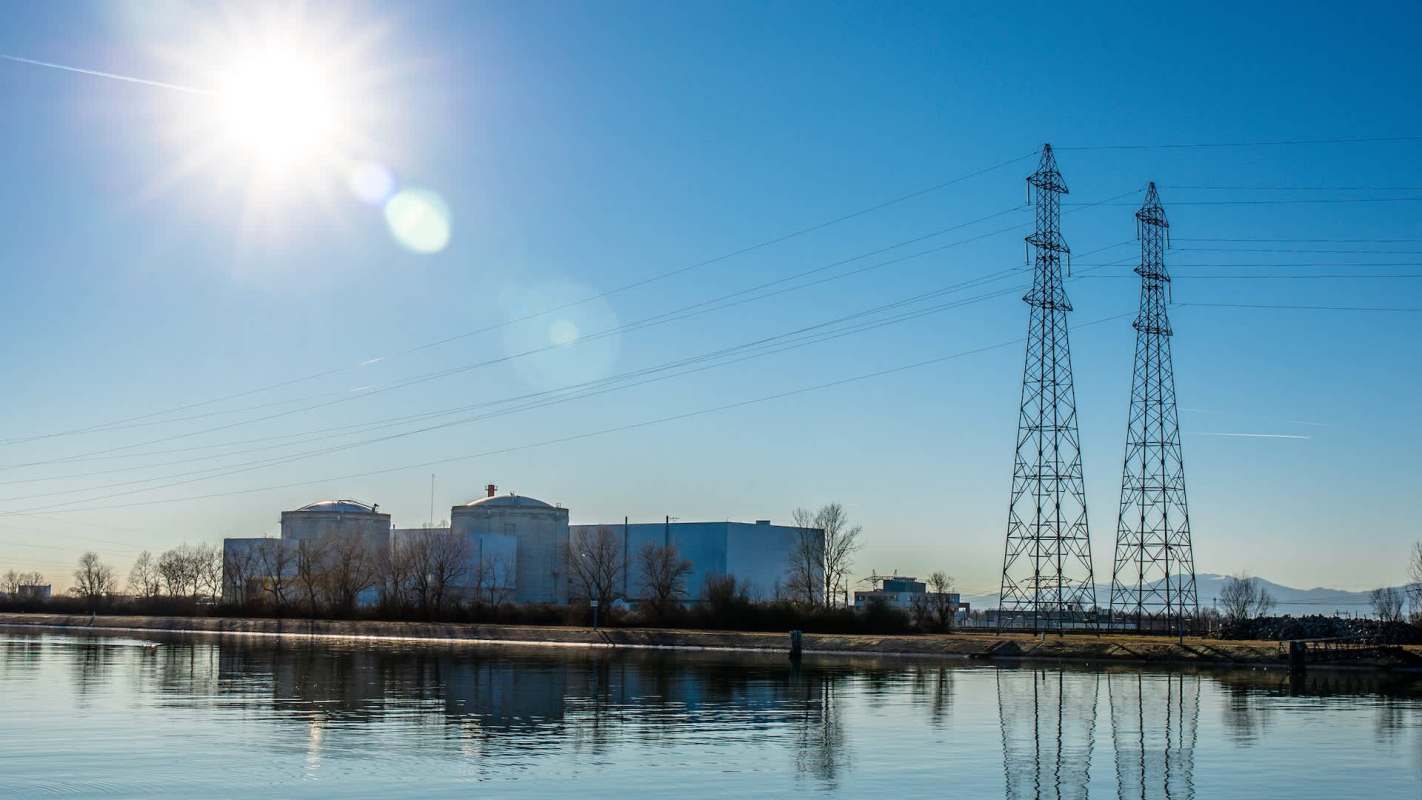
That risk became especially visible in southern France, where a nuclear reactor had to be shut down after the river water used to cool it grew too warm, according to Technology Review.
What happened?
Record temperatures across Europe are disrupting normal life, increasing health risks, and straining electricity networks.
In London, the heat was so intense that it forced the cancellation of a Climate Action Week event devoted to heat.
At the Golfech nuclear plant near Toulouse, France, the situation was made worse by the fact that unit one was already offline for scheduled maintenance and refueling.
Then unit two also had to go down because the nearby river supplying cooling water had become too warm, further reducing available power, just as demand was rising.
TCD Picks » Quince Spotlight
💡These best-sellers from Quince deliver affordable, sustainable luxury for all




Air-conditioning is still much less common in Europe than in the United States. Across Europe, about one in five homes has it, compared with nearly 90% of homes in the U.S.
Rates are even lower in some countries, at around 5% in the U.K. and roughly 3% in Germany.
Why does it matter?
Electric grids get hit from two directions during a heat wave. Demand rises as more people need cooling, but high temperatures also reduce the efficiency of power generation and delivery, leaving the system under pressure when dependable electricity is most important.
If more households install cooling, Europe could begin to see the same sort of summer demand surges that the U.S. has long dealt with, when extreme heat increases the risk of blackouts and brownouts.
Utilities may also have to purchase more power from neighboring countries, lifting prices more widely.
Maintenance scheduling is part of the problem, too. Europe's grids have traditionally seen their highest demand in winter because electric heating has been more common than air conditioning, so some planned outages still occur in spring and summer.
As hotter summers become more frequent, those older patterns look less suited to current conditions.
That evolution could make summer heat a much larger source of grid stress in the years ahead, as global temperatures keep changing when and how electricity is used.
What's being done?
Utilities and grid operators are being pushed to revisit basic planning decisions, including when power plants are taken offline for maintenance, how much reserve capacity is needed during summer, and how to prepare for rising cooling demand.
Meeting that challenge will likely require adding an electricity supply quickly, while also strengthening transmission so power can be moved to the areas that need it most during regional heat waves.
Closer cross-border coordination will also matter, since countries often rely on one another when demand spikes.
Europe's grid challenge is no longer theoretical.
As Simone Tagliapietra, senior fellow at Bruegel, put it, "The main pressure comes from a triple squeeze: Cooling demand rises sharply, while power plants and grids become less efficient, and some thermal and nuclear plants must cut output because cooling water is too warm or scarce."

Get TCD's free newsletters for easy tips, smart advice, and a chance to earn $5,000 toward home upgrades. To see more stories like this one, change your Google preferences here.






