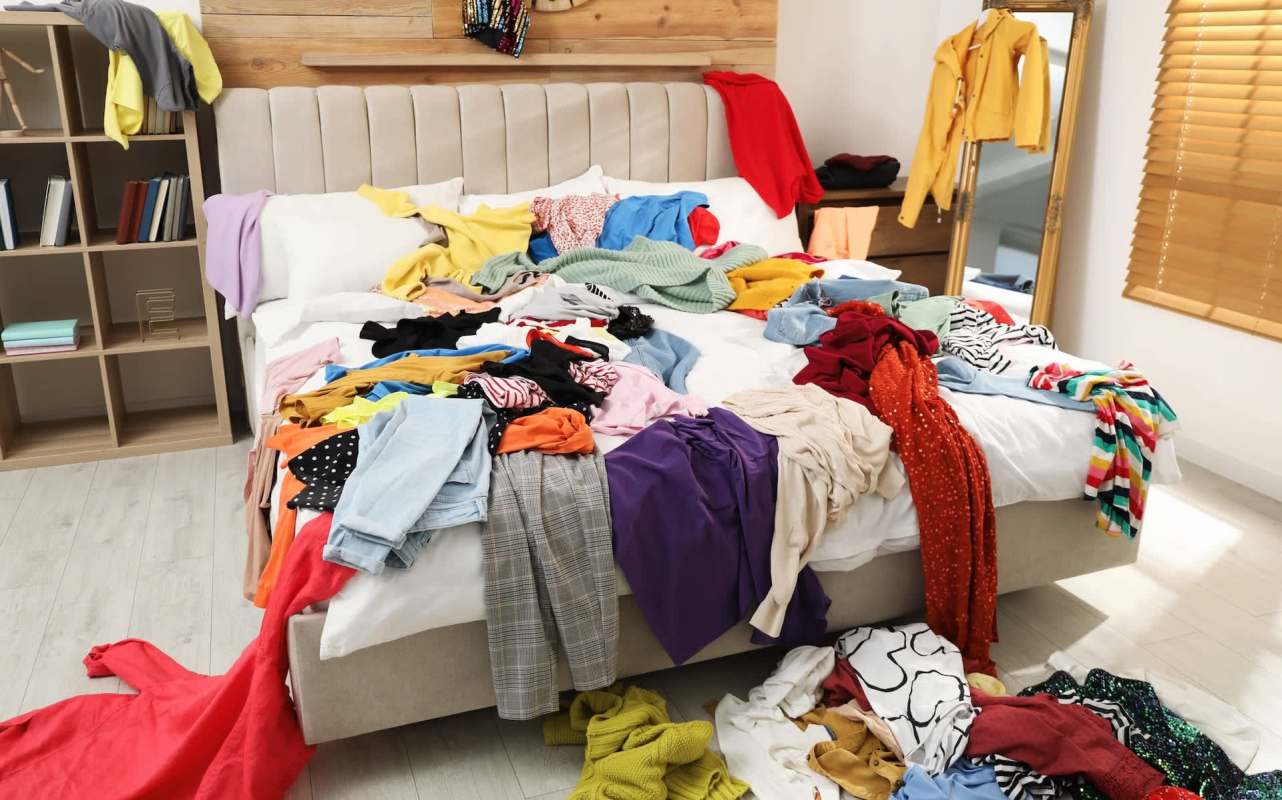
A simple question is resonating with visitors to the r/sustainability community: How many clothes do we actually need?
After a Redditor shared a piece originally published on The Conversation, visitors to the thread were prompted to examine modern wardrobes.
What's happening?
Drawing on research, the article examines the gap between the amount of clothing people realistically need and the much larger collections many consumers now own.
Rather than staying focused on the article alone, the comment section turned to everyday habits. Redditors traded thoughts on the right type of clothes, how many specialized items to own, and how to maximize a wardrobe.
"Why do you need math for this?" a user questioned. "Ideally you'd only buy clothes you need for a specific purpose and replace them when they are worn beyond repair."
They elaborated that buying three specialized items, such as winter jackets, would "never make sense." That met some resistance.
TCD Picks » Quince Spotlight
💡These best-sellers from Quince deliver affordable, sustainable luxury for all




"It may not make much of a difference, tbh," a user countered. "If you rotate between 3 of something, they will last 3x longer than if you had just one."
These sorts of nuances popped up in the thread and illustrated some of the complexity of the topic explored in the piece. A user noted that rotating clothing or footwear could be effective, but it also can quickly turn "wasteful," when collections are too large.
"The problem is that the average woman has 30 pairs of shoes, but only wears 5 outside of special occasions," they wrote. "And the same can be said for men having several 3 part suits when they only wear a suit once a year."
Why does it matter?
The conversation comes at a time when fast fashion has made clothing feel disposable, even though the environmental costs are anything but. Producing, shipping, and discarding garments uses enormous amounts of energy and resources, while unwanted clothing often ends up in landfills.
Overbuying has another immediate downside: wasted money. A closet full of barely worn impulse purchases is still a financial burden, even if each item seemed inexpensive at the time.
If a smaller, better-used wardrobe can meet most real-life needs, then buying fewer pieces is not only an environmental choice. It can also mean lower spending, less clutter, and fewer frustrating "nothing to wear" moments.
What can I do?
A realistic first step is to audit what you already own. Set aside the items you wear weekly, the pieces you wear occasionally, and the clothes that mostly sit untouched. Doing so can make it easier to spot duplicates and avoid buying more of what you do not use.
Used clothing is another option. Buying secondhand can cut the cost of updating a wardrobe while also reducing demand for newly produced items.
It also helps to use "cost-per-wear math" before making a purchase. A durable item worn often is usually a better value than a trendy one worn only a few times. Repairing, reselling, and donating usable clothing can stretch that value even further.
One Redditor touted choosing high-quality clothing with natural materials as their two "major tenets of sustainable clothing."

Get TCD's free newsletters for easy tips, smart advice, and a chance to earn $5,000 toward home upgrades. To see more stories like this one, change your Google preferences here.