


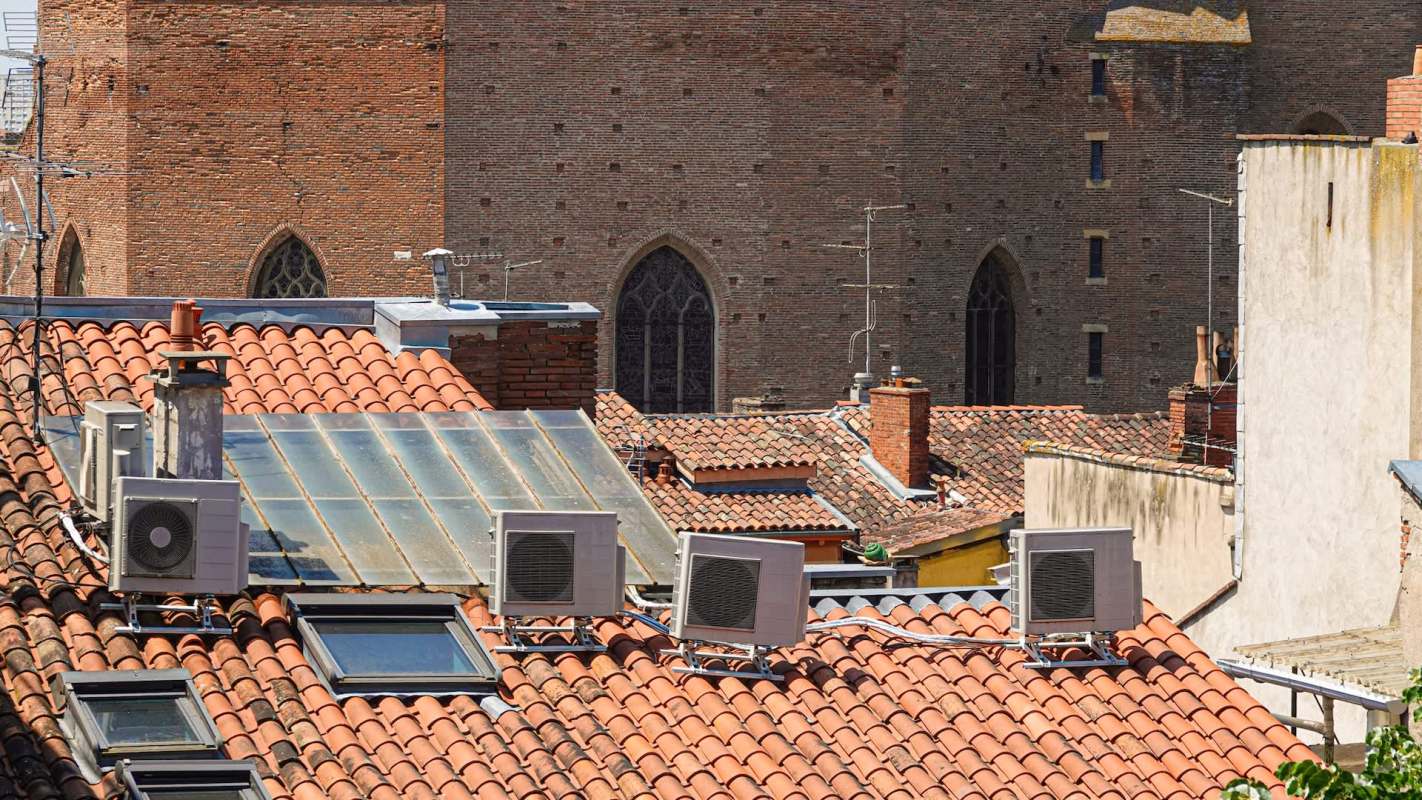
In France, putting AC in a home has long carried more than a practical meaning. Many people have viewed it almost as a surrender — choosing an energy-intensive kind of comfort over the demands of climate responsibility.
As heat waves become more common and severe, cooling is increasingly considered not just a luxury but something necessary to protect health.
What's happening?
The latest round of this argument is highlighted by a Le Monde English edition story. The issue is that rising temperatures are leading more households to install AC even though it has long been seen there as a "misguided response to climate change."
Because conventional units consume electricity, release heat outdoors, and can increase pollution when the grid still relies on oil, gas, and coal, they have been viewed as worsening the very problem they address.
Why does it matter?
The danger from extreme heat is immediate, not theoretical. Older adults, babies, people with chronic illnesses, and residents of top-floor apartments or badly ventilated buildings can face direct health risks when indoor temperatures stay too high.
With summers growing hotter, though, some homes, schools, hospitals, and workplaces are moving beyond a debate over whether cooling is preferable and toward a more basic question: Can people safely function without it?
TCD Picks » Quince Spotlight
💡These best-sellers from Quince deliver affordable, sustainable luxury for all




None of that makes the criticism of AC irrelevant. If large numbers of households react by buying cheap, inefficient units, power demand can jump, electricity costs can climb, and the wider climate problem can become even harder to manage.
That is why the debate reaches beyond personal comfort into questions of health, equity, infrastructure, and air pollution.
What's being done?
What is emerging instead of an all-or-nothing view is a compromise: treat cooling as part of climate adaptation, but do it in ways that minimize waste and pollution.
For many buildings, the first steps do not involve installing a new appliance. Lower-cost or lower-energy measures, such as better insulation, exterior shutters, shade trees, reflective roofs, and improved ventilation, can reduce indoor heat and are especially important for people who cannot easily afford major equipment purchases.
Cities and governments can tighten building standards, expand cooling centers, and make sure renters and lower-income households are not left to endure dangerous heat just because upgrades are unaffordable. And when mechanical cooling really is needed, many experts point to efficient heat pump systems as a better choice than older, more power-hungry units.
Taken together, this suggests a layered response: reduce heat gain where possible, use fans and nighttime ventilation when safe, and rely on the most efficient cooling system available when active cooling becomes necessary.
For a country that once treated AC as a "misguided response to climate change," the answer in France now appears to be less categorical: sometimes, yes.

Get TCD's free newsletters for easy tips, smart advice, and a chance to earn $5,000 toward home upgrades. To see more stories like this one, change your Google preferences here.






