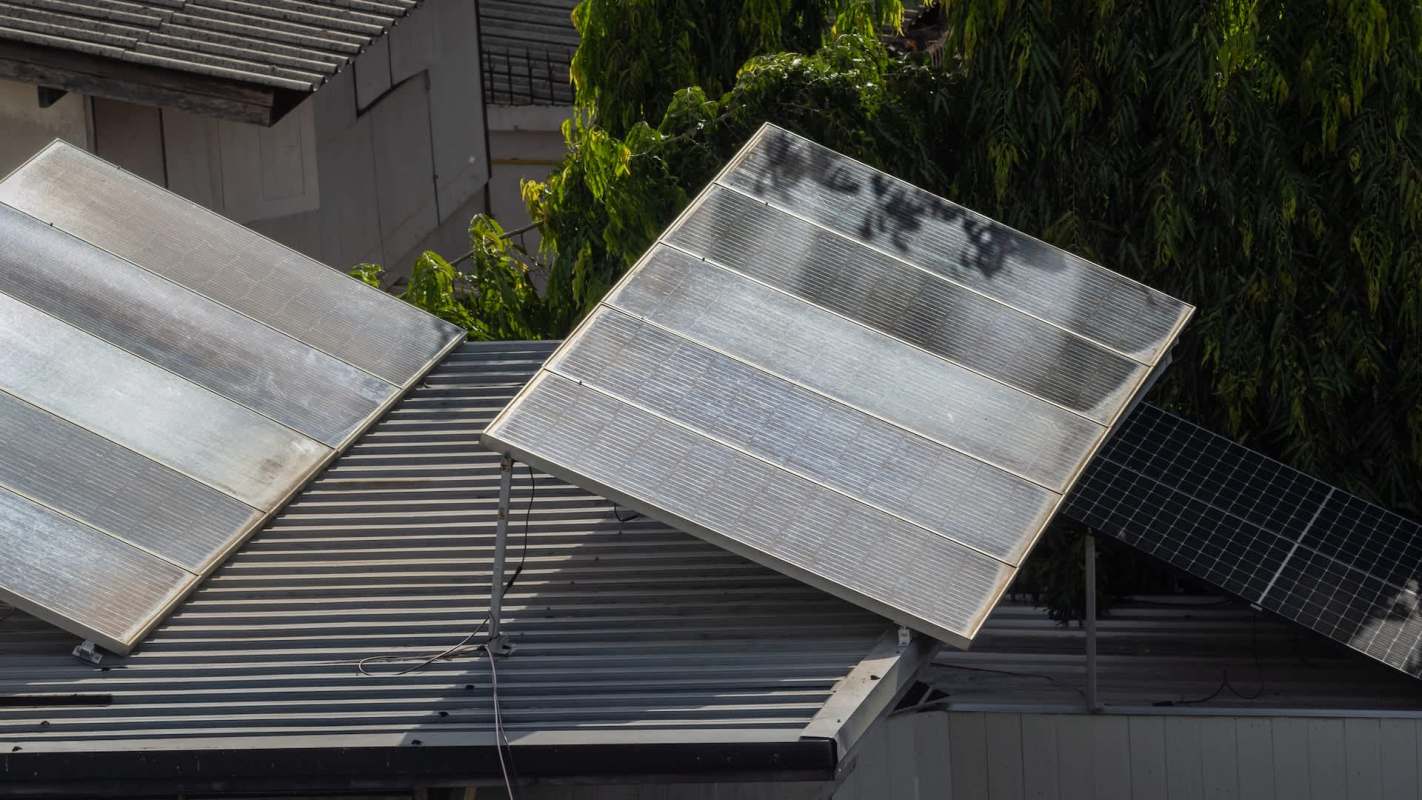
Across Southeast Asia, more households are putting solar panels on their roofs as the war in Iran drives up energy costs and heightens concern about outages.
The discussion also raises a bigger question for homeowners everywhere: What happens when a distant conflict suddenly affects the cost and reliability of electricity at home?
What happened?
In parts of Southeast Asia, some homeowners responded quickly with rooftop solar when disruption in the Strait of Hormuz pushed energy prices higher, according to The New York Times. In Marikina, the Philippines, Heidi Mendoza was among those who chose to install panels in March as blackout worries intensified.
To help keep her power on for online work, Mendoza spent about $6,500 on the system. "I got scared that we might lose electricity," she said. Otherwise, "I wouldn't be able to do my online work."
The same pressure shaped decisions elsewhere. Ming Kuang Chai, an architect in Kuala Lumpur, Malaysia, said, "The Iran war, and the fact that I drive an electric car, pushed me to install the panels quickly to manage my living costs."
Adiana Julia, speaking from Indonesia, said, "It's better if we can find ways to reduce our dependence on the grid."
TCD Picks » Quince Spotlight
💡These best-sellers from Quince deliver affordable, sustainable luxury for all




Why does it matter?
The shift shows how quickly solar can evolve from a climate-friendly upgrade into an energy-security tool. Because imported oil has such a large influence on electricity costs in Southeast Asia, geopolitical turmoil can quickly feed through to household bills and grid reliability.
The jump in interest is showing up in the numbers: China shipped 5.5 gigawatts of solar capacity to Southeast Asia in March, more than double the level a year earlier, and installers across the region say orders are booming.
Angelo Kairos dela Cruz of the Institute for Climate and Sustainable Cities said, "Households are increasingly turning to rooftop solar to offset rising electricity bills."
What are people saying?
Installers say the shift is accelerating. Jaran Walia of SOLS Energy said, "After the war, consumers want larger rooftop solar systems. And we are installing more now, between 8 to 10 houses a day from 5 to 7 houses previously,"
For residents living with unstable electricity, the case for solar is even more immediate. "The voltage here often fluctuates and power outages happen almost every day so I don't want to depend on the grid," said Aris Yanto, who installed panels himself in Indonesia.
Wan Afiq Naqiuddin said he does not expect the trend to fade soon: "These countries would still look for solar as a near-term solution for energy security, as unpredictable geopolitical events like what happened in Hormuz might happen again in the future."

Get TCD's free newsletters for easy tips, smart advice, and a chance to earn $5,000 toward home upgrades. To see more stories like this one, change your Google preferences here.