


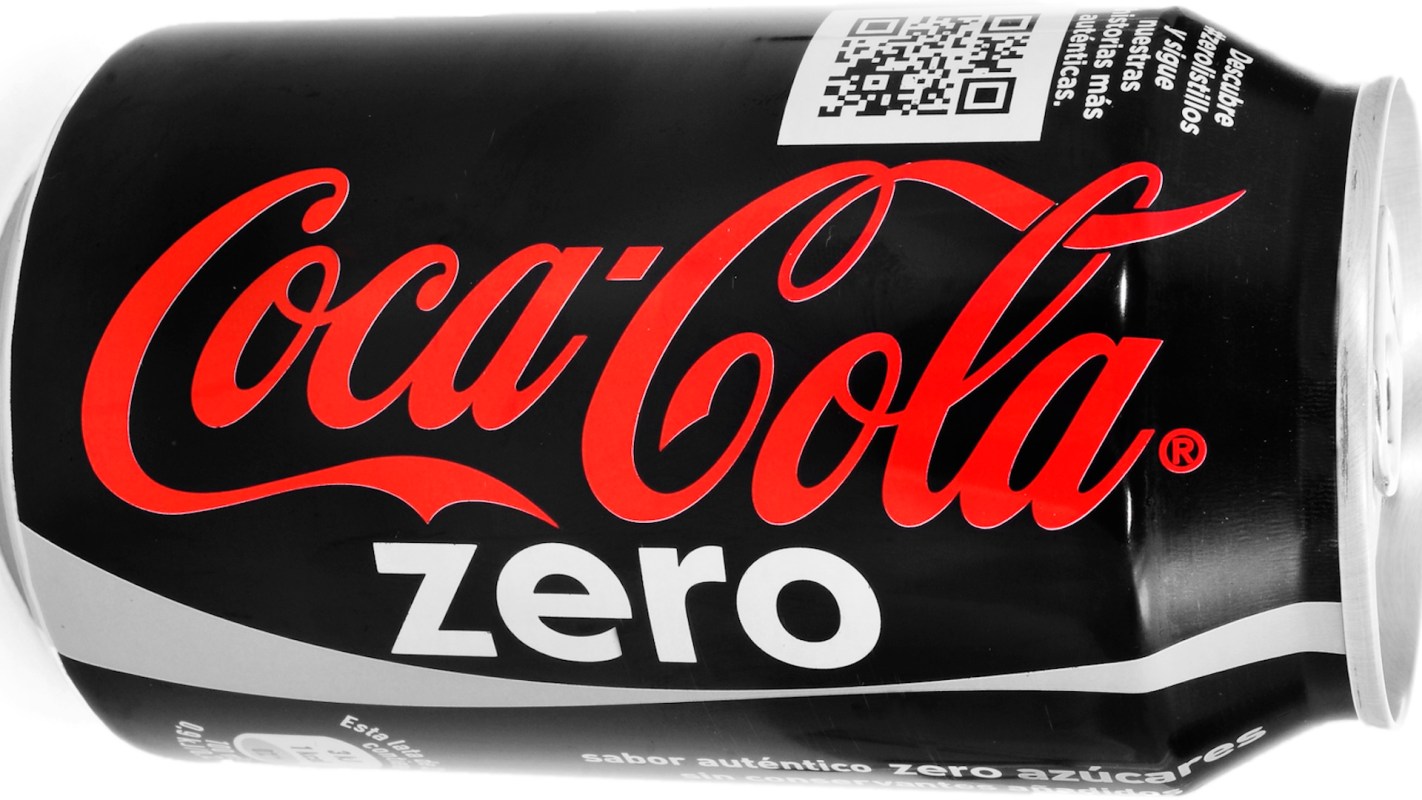
Ingredient details are starting to appear on popular soft-drink bottles and cans via QR codes as major brands respond to consumer demands for transparency.
What's happening?
According to a report from NBC News, the American Beverage Association, the trade group that represents PepsiCo, The Coca-Cola Co., and Keurig Dr Pepper, is behind the new initiative. Brands taking part range from Coke and Pepsi to Dr Pepper, Celsius, Monster Energy, Polar Beverages, and Red Bull.
When the QR codes are available, consumers will be able to scan them to visit GoodToKnowFacts.org, a site the trade group introduced last year.
The site offers information on more than 140 ingredients found in packaged beverages and explains whether agencies such as the FDA, the European Food Safety Authority, and Health Canada permit their use.
Some companies have already started connecting their QR codes to the site. NBC News reported that Pepsi has done so, Coca-Cola expects to finish its rollout this month, and Keurig Dr Pepper plans to add the feature later this year.
Interest in ingredient lists is rising: A recent EY survey found that 6 in 10 consumers consider ingredients when deciding which beverages to buy, NBC News reported.
TCD Picks » Quince Spotlight
💡These best-sellers from Quince deliver affordable, sustainable luxury for all




Why does it matter?
For people comparing drinks, easier access to ingredient information could be useful. Shoppers trying to avoid excess sugar, artificial sweeteners, preservatives, or food coloring already often use nutrition apps to scan products and make quick comparisons.
At the same time, timing matters because many consumers do not rely solely on what brands tell them. NBC News, citing NIQ data, reported that about one-quarter of Americans use nutrition apps, and 63% of those users trust app information as much as information from brands.
Because many popular soft drinks score poorly on those apps, an industry-backed information site could influence how shoppers interpret concerns about certain ingredients.
Chris Costagli, food and beverage thought leader at NIQ, told NBC News that these kinds of efforts can help "put a little bit more control in the manufacturer's hands to own that narrative with shoppers."
That could mean greater access to information — but not necessarily more independent guidance.
What's being done?
Industry representatives say the goal is to make ingredient details easier to find so consumers do not have to search across multiple websites. Merideth Potter, chief strategy officer at the American Beverage Association, said, "there's an opportunity here for us to bring that information to them, not have it, you know, buried across the internet and different websites."
Potter said the trade group is not making its own safety judgments.
"We don't decide what's safe," she said; it is the "experts who reside in those food safety agencies who make these safety determinations."
Skeptics argue that an industry-funded resource should not be treated as the final authority. NBC News cited Dr. Dariush Mozaffarian of Tufts University's Food Is Medicine Institute, who said some government reviews are "outdated" and may be decades old. Dr. Mozaffarian also noted that the site does not include newer research raising possible concerns about some ingredients.

Get TCD's free newsletters for easy tips, smart advice, and a chance to earn $5,000 toward home upgrades. To see more stories like this one, change your Google preferences here.







