


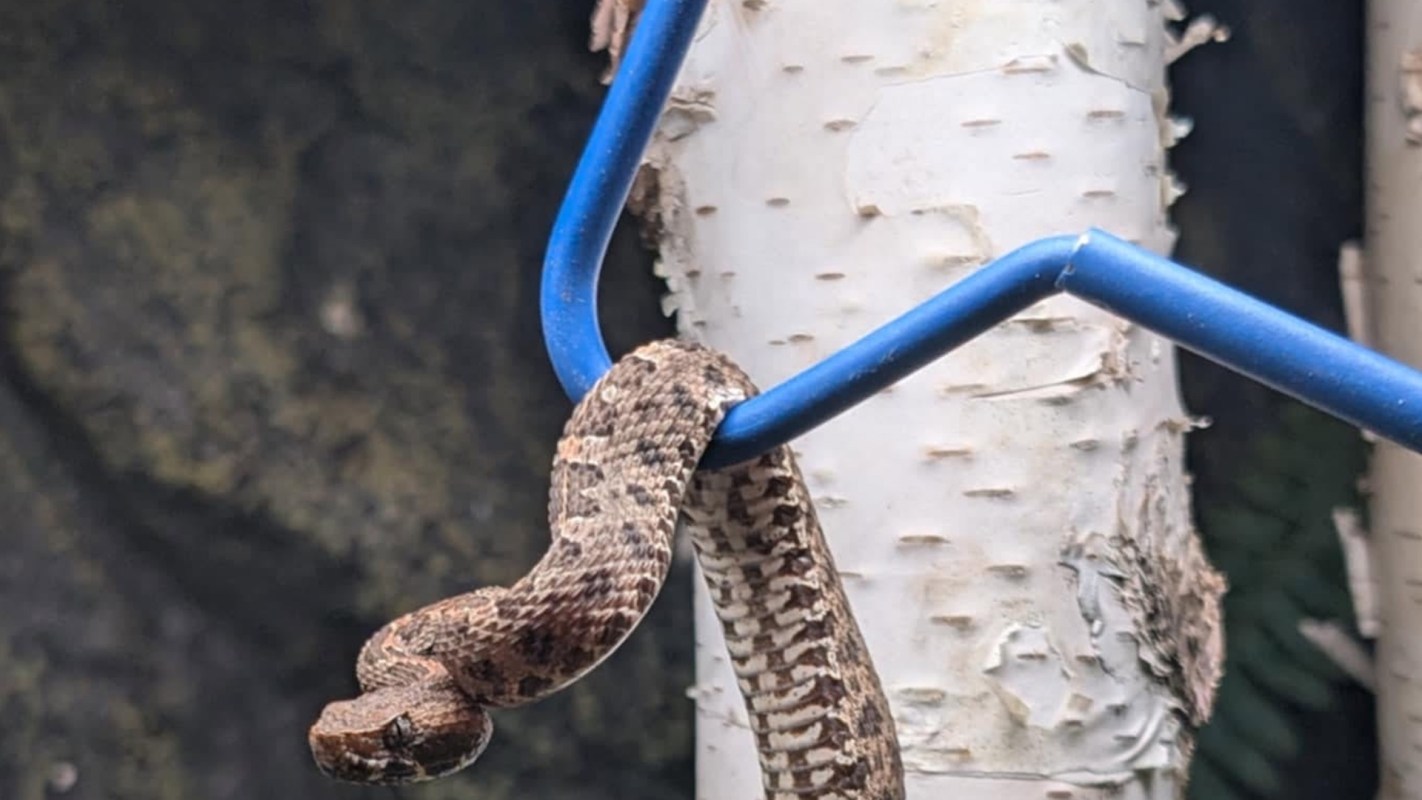
A Colorado student's trip home from Costa Rica seemed to be over — until unpacking turned into a real-life nightmare. The student only realized after getting home that a venomous snake was hidden in her suitcase.
What happened?
According to 9NEWS, the snake, a hognose pit viper, was discovered once the student had returned to Colorado from Costa Rica and began going through her luggage.
Costa Rica is well known for its biodiversity, including a wide range of snakes, frogs, insects, and other wildlife that can easily blend into luggage, clothing, or travel gear.
The local pest control company that was called to handle the snake knew it wasn't native to Colorado, so it contacted a reptile pet store in Boulder, Colorado, for help. The Denver Zoo and Colorado Parks and Wildlife responded soon after.
The zoo also had to rehome a Halloween crab found in the luggage of another passenger returning from Costa Rica in 2024.
Why does it matter?
Human travel can unintentionally carry wild animals far from their native habitats.
TCD Picks » Quince Spotlight
💡These best-sellers from Quince deliver affordable, sustainable luxury for all




A snake does not need to attack to create a serious problem. Simply being trapped in luggage, handled by a frightened traveler, or released into an unfamiliar environment can put both people and animals at risk.
As tourism, development, and global movement continue to expand, people are spending more time in wildlife habitats and moving more belongings through them.
Experts have long noted that many human-wildlife encounters are shaped not only by animal behavior but also by the ways people alter ecosystems and create accidental points of contact. The snake was likely just seeking shelter, but the consequences still could have been severe for the traveler, airport workers, animal responders, pets, or the animal itself.
When species are accidentally moved across borders, even in rare cases, they can create health, safety, and ecological risks if they survive or escape.
What are people saying?
9News said the zoo noted that these situations highlight the importance of responsible travel and wildlife awareness.
"We're often in the position to be a rescue agency," Jake Kubié, a spokesman for Denver Zoo Conservation Alliance, said.

Get TCD's free newsletters for easy tips, smart advice, and a chance to earn $5,000 toward home upgrades. To see more stories like this one, change your Google preferences here.







