


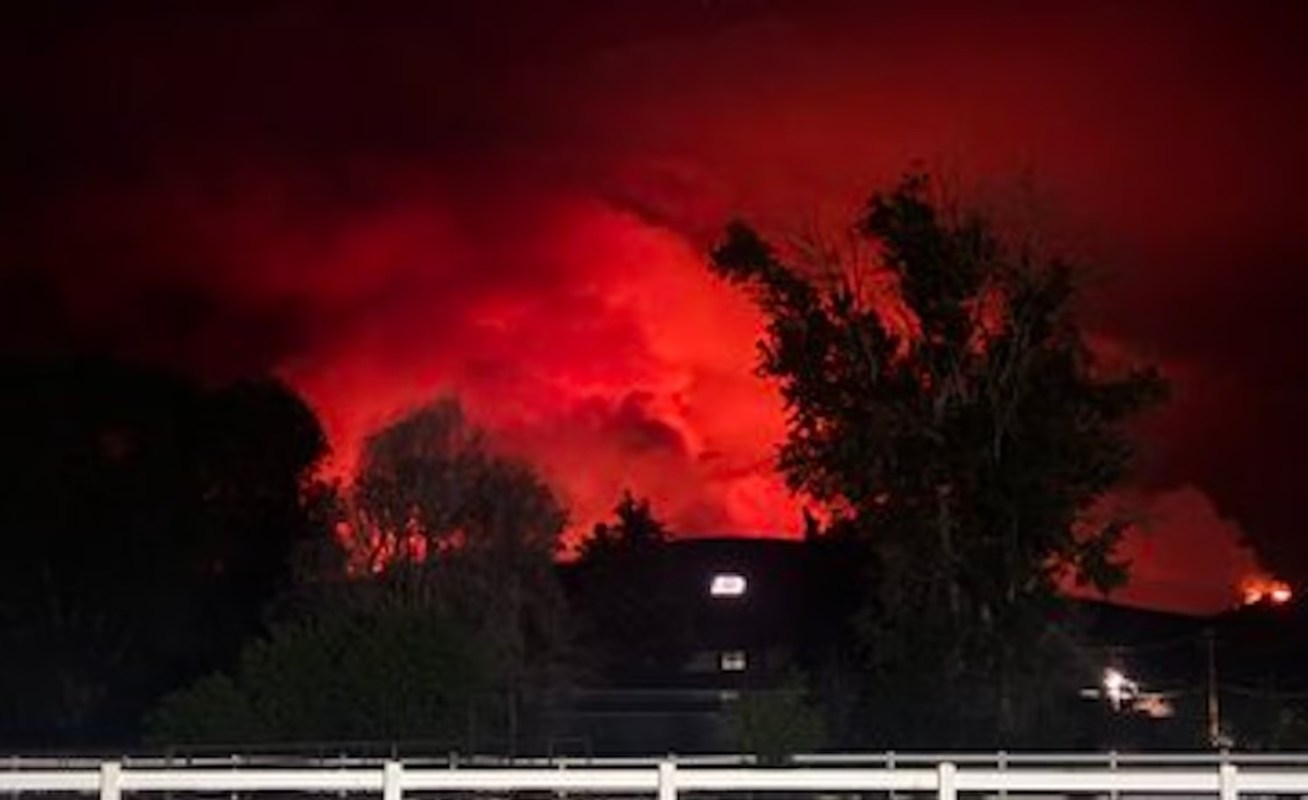
A wildfire in Southern Utah surged overnight Tuesday and has continued almost unabated past 50,000 acres, sending nearby residents from their homes, closing a mountain highway, and compounding a growing list of dangerous blazes across the state.
The Cottonwood Fire's rapid growth is the latest sign of how quickly hot, dry, and windy conditions can turn a local fire into a regional emergency, with the state facing multiple fires, including the similarly devastating Iron Fire.
What's happening?
Utah Fire Info said the blaze started in Beaver County, where drought and wind gusts up to 50 mph pushed flames across the mountainous area.
By Tuesday morning, the Cottonwood Fire had burned over 10,000 acres and remained 0% contained after tripling in size overnight, ABC News reported. The U.S. Forest Service reported that the Cottonwood Fire tripled again to 31,000 acres by Tuesday night, with 0% containment because of high temperatures, wind gusts, and dry fuel.
By publish time Wednesday, latest reporting from KUTV indicated the fire was human-caused and had reached 59,000 acres.
Authorities ordered immediate evacuations Monday night for the Eagle Point and Merchant Valley areas as the fire approached homes and campgrounds. Officials also shut down the highway nearby while crews responded.
TCD Picks » Quince Spotlight
💡These best-sellers from Quince deliver affordable, sustainable luxury for all




Utah Fire Info, the state's interagency wildfire reporting system, said the fire was first reported at 3:36 p.m. Monday. The cause is still under investigation.
The blaze is part of a much broader emergency. Utah has 342 active wildfires that have burned 64,000-plus acres. The largest, the Iron Fire in Juab County, had reached 31,304 acres by Tuesday morning and was 9% contained, and the town of Eureka had been fully evacuated.
Why does it matter?
Wildfires are dangerous not only because of the flames themselves but also because they can upend daily life within minutes.
Evacuations force people from their homes, road closures disrupt travel and access to work, and smoke can worsen air quality for entire communities.
Worsening extreme weather disasters endanger lives and livelihoods by putting public health, community safety, and economic stability at risk. High winds, prolonged drought, and low humidity can make fires spread faster, while the fallout can include damaged homes; lost income; strained emergency services; and health threats for children, older adults, and anyone with respiratory conditions.
Before the latest fire growth, the National Weather Service had issued red flag warnings for much of Utah. Those alerts mean conditions are favorable for existing fires to intensify and for new ones to ignite quickly.
What's being done?
Emergency officials are focusing first on life safety by issuing evacuation orders, closing roads near the fire zone, and positioning crews to slow the spread. With the Cottonwood Fire still uncontained, officials are working to protect nearby residents and give firefighters room to operate.
State and local agencies are also tracking the broader wildfire picture as hundreds of fires continue burning across Utah. Containment efforts on the Iron Fire and other major blazes will likely remain a priority as dangerous weather persists.
In and near fire-prone areas, the most practical steps are to stay alert and prepare early. That means monitoring local evacuation updates, keeping a go-bag ready, planning multiple exit routes, and limiting outdoor exposure if smoke moves into the area.
As Utah faces dry conditions and powerful winds, fast-changing fire behavior can leave very little time to react.
The Cottonwood Fire's overnight surge shows how quickly wildfire danger can escalate when drought and wind combine. Officials and residents alike are bracing for more volatile days ahead.

Get TCD's free newsletters for easy tips, smart advice, and a chance to earn $5,000 toward home upgrades. To see more stories like this one, change your Google preferences here.







