


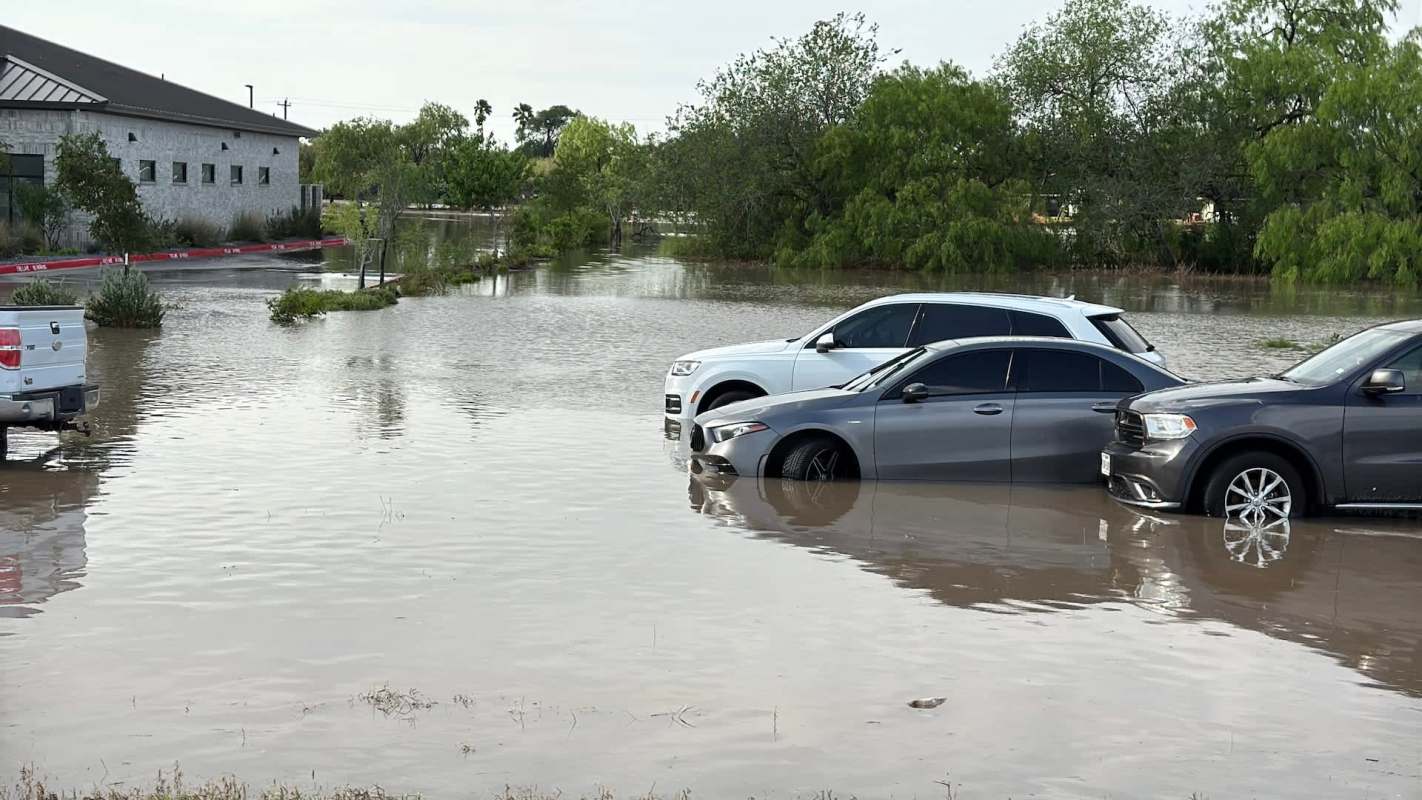
Overnight weather hazards reached across a huge swath of the United States, leaving some motorists stranded in flooded roads, cutting electricity to many customers, and stifling air travel with thousands of disruptions from the East Coast to the High Plains.
NBC News reported that the threat was still in place Tuesday, with more flooding as well as destructive wind, hail, and potential tornadoes compounding a week already disrupted by travel problems and extreme heat.
What's happening?
From Monday night into Tuesday, over 250 storms crossed large areas of the country, NBC News reported, unloading heavy rain, powerful wind, and flash flooding.
In Kentucky, footage showed rescuers moving through knee-deep water to help people whose cars had been trapped. Similar scenes played out in New Jersey, where rising floodwaters also stranded drivers.
Damage reports stretched across nearly half the nation. A suspected tornado toppled trees and shut down roads in Virginia, downed lines left tens of thousands without electricity in the Southeast, and dust storms powered by wind gusts of 100 mph plagued Colorado.
By Tuesday afternoon, there were reportedly 2,667 flight delays and 198 cancellations. After Monday ground stops at airports from Boston to Washington, disruptions had climbed to about 10,000, and FlightAware listed John F. Kennedy International Airport, LaGuardia Airport, Philadelphia International Airport, and Ronald Reagan Washington National Airport among the hardest hit.
TCD Picks » Quince Spotlight
💡These best-sellers from Quince deliver affordable, sustainable luxury for all




Twelve million people were still under the storm threat Tuesday, according to NBC News, with the greatest concern centered on the Mid-Atlantic and western and central Plains.
Why does it matter?
Widespread extreme weather can upend daily life. Flooded roads can trap drivers; delayed flights can create ripple effects across the country; and power outages can leave households without air conditioning, refrigeration, or support for medical equipment during dangerous heat.
Repeated flooding, wind damage, and heat waves can harm public health; threaten community safety; damage homes and businesses; and strain local economies through repair costs, lost work time, insurance claims, and infrastructure disruptions.
The storm outbreak also unfolded as heat intensified elsewhere. NBC News reported that 30 million people were under heat alerts from Louisiana to the Pacific Northwest, and forecasters expected highs of 110 degrees in Las Vegas and 111 in Phoenix.
The combination of flooding rain and intense heat can quickly raise risks for older adults, outdoor workers, and people without reliable shelter or power.
What can I do?
Practical steps include avoiding driving through flooded roadways, keeping phones charged in case of outages, and checking airline and weather alerts before traveling. In areas under a flood watch or severe storm warning, reviewing evacuation routes and gathering essentials early can help.
In heat-risk zones, staying hydrated, limiting strenuous outdoor activity during peak hours, and checking on neighbors who may be more vulnerable can reduce risk. If the power goes out, backup water, shelf-stable food, and medication plans can make a major difference.
For those facing outage risks, installing solar panels with batteries can add an extra layer of resilience during outages while also offering potential energy bills savings.

Get TCD's free newsletters for easy tips, smart advice, and a chance to earn $5,000 toward home upgrades. To see more stories like this one, change your Google preferences here.






