


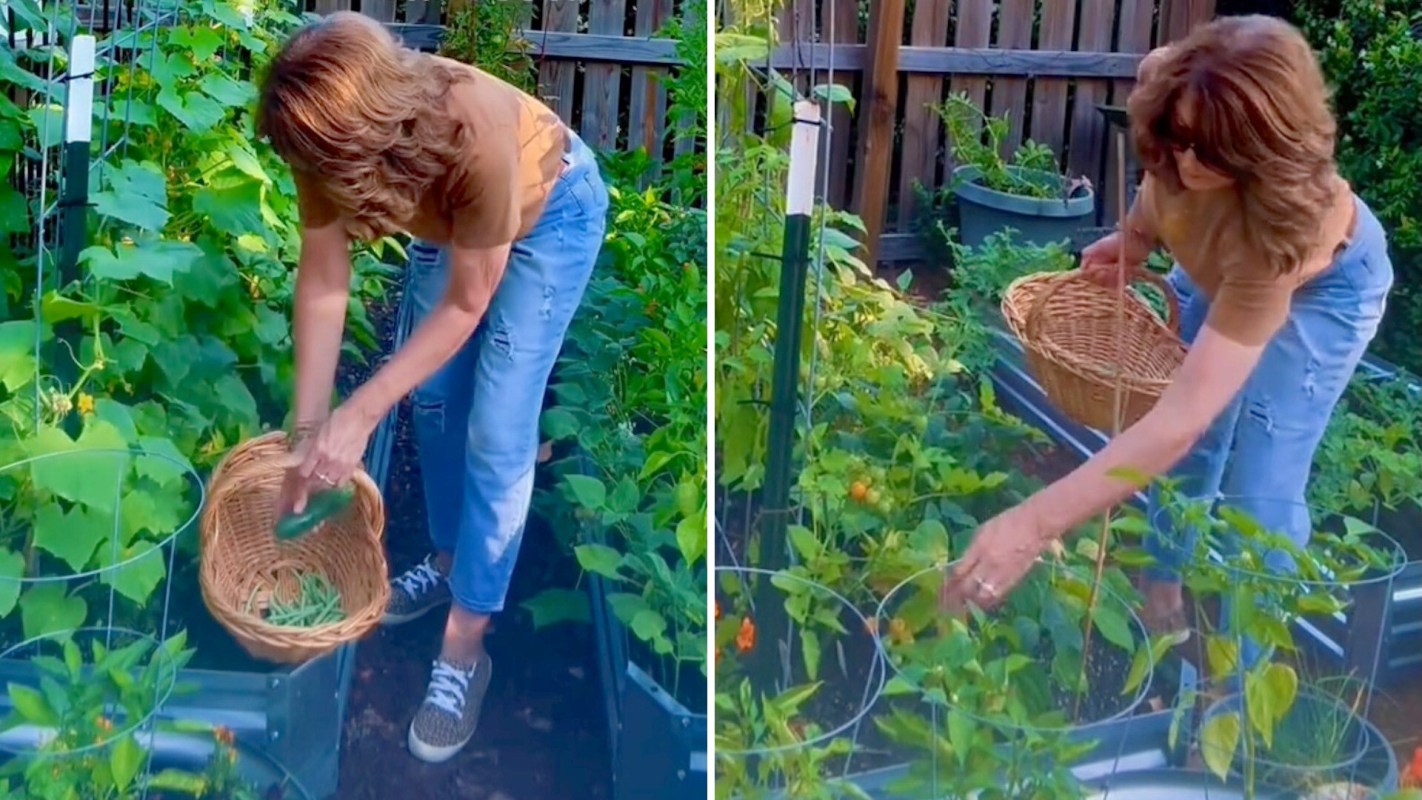
One South Carolina gardener had to adjust her schedule to get outside before sunrise after expecting a heat index over 100 degrees.
In a short post on social media, the early-morning harvest offered a snapshot of how extreme heat is already reshaping everyday routines.
What's happening?
Preparing for high temperatures, TikTok creator Nancy's Nest (@finchnest59) posted about getting to the garden before the day became more dangerous.
In the caption, the creator wrote: "Had to hit the garden early this morning. It's been so hot here in South Carolina. The heat index is supposed to be 103 today."
@finchnest59 Had to hit the garden early this morning. It's been so hot here in South Carolina. The heat index is supposed to be 103 today.🥵#garden #gardening #gardentok #harvest #harvesting ♬ Wildflowers - Andrew Gialanella
People in the comments said the heat was not limited to one state.
One wrote, "I think hot is the consensus everywhere after this weekend!"
TCD Picks » Quince Spotlight
💡These best-sellers from Quince deliver affordable, sustainable luxury for all




Another commenter added, "Super hot here in NC too. Your garden is gorgeous!"
Why does it matter?
Timing can make a major difference during heat waves. Early harvesting and watering can be easier on both people and plants, especially when temperatures climb high enough to make outdoor activity risky by late morning or afternoon.
A 103-degree heat index is not just uncomfortable. It can raise the risk of heat exhaustion and heat stroke, particularly during physically demanding tasks such as weeding, hauling soil, or gathering produce.
A backyard garden can quickly become a health concern if people stay outside too long without shade, breaks, or hydration. Extended heat can meanwhile stress vegetables, dry out soil more quickly, and reduce yields if plants are not protected.
What can I do?
Start as early as possible. Harvesting, watering, and other hands-on tasks are generally safer and more efficient during the coolest part of the day.
When gardeners shift their routines earlier in the day, they are protecting themselves while also giving plants a better chance to recover before the hottest hours arrive.
It also helps to water deeply rather than lightly, add mulch to help the soil retain moisture, and watch for signs of heat stress in plants, such as drooping leaves or scorched edges. Shade cloth can also be useful for sensitive crops during especially intense hot spells.
Experts routinely advise wearing lightweight clothing, drinking water before feeling thirsty, and taking frequent breaks in the shade or in air conditioning.
If the heat index is pushing into triple digits, it may make sense to postpone nonessential yard work altogether.

Get TCD's free newsletters for easy tips, smart advice, and a chance to earn $5,000 toward home upgrades. To see more stories like this one, change your Google preferences here.






