


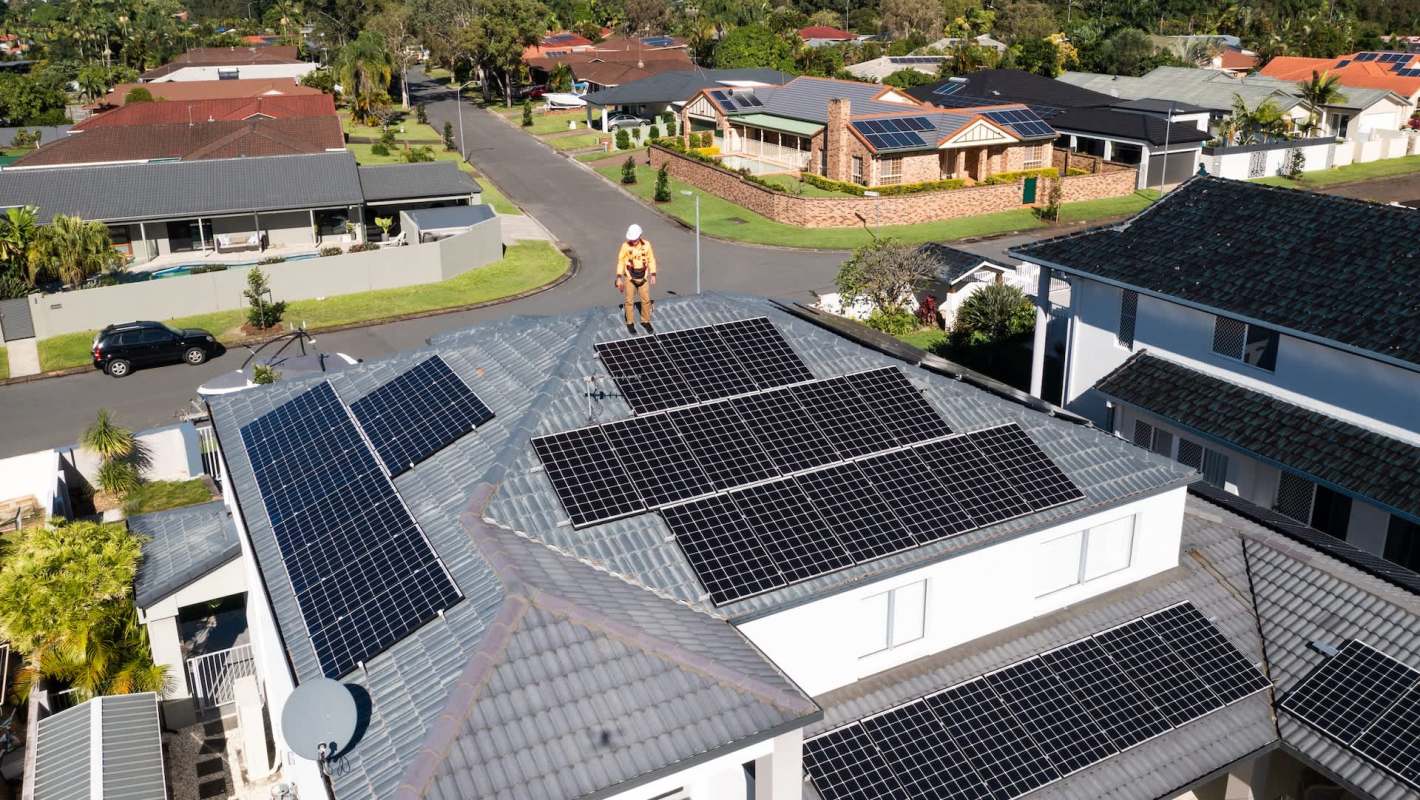
For one Australian homeowner, a large rooftop solar setup did more than lower power bills. The system combines a 20-kilowatt solar array, a 10-kilowatt hybrid inverter, and 50 kilowatt-hours of battery storage, which the homeowner said has allowed the house to ride through blackouts while also generating monthly bill credits worth hundreds of dollars.
What happened?
In a Reddit post, the original poster said the system was installed in October 2025 and that they have been "completely grid independent and every bill has been in credit" since then.
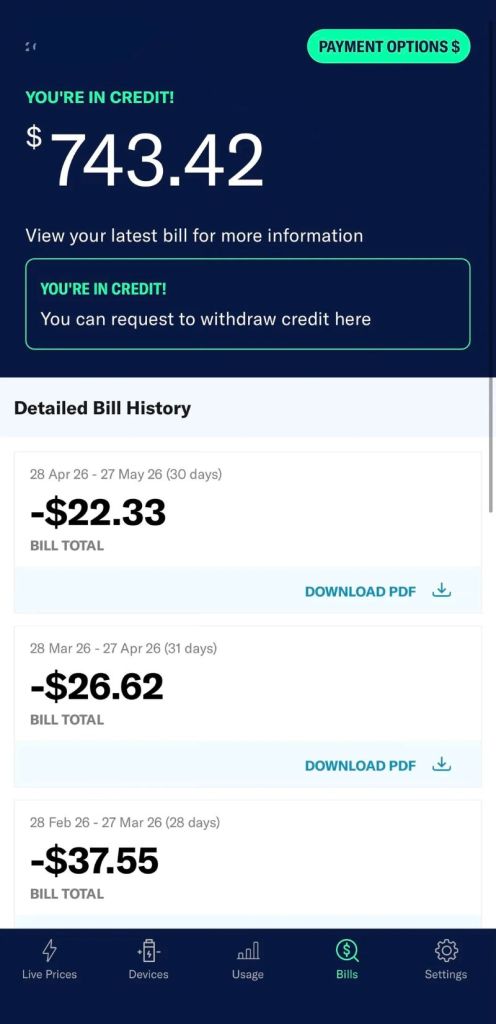
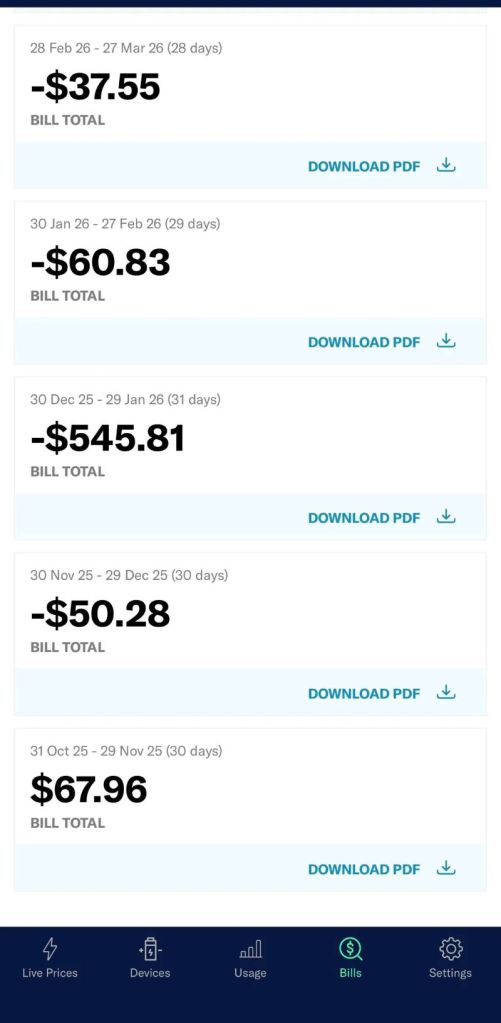
Recent outages, they said, were so seamless that they barely registered: "We've had a couple of blackouts since then and honestly, I wouldn't have even known if my monitoring app hadn't sent me a notification. The whole house just kept running as normal." They added that their best month produced a $545 credit.
The homeowner wrote, "A few of my mates got similar systems around the same time, and we've become complete solar nerds comparing production, battery cycles and export credits."
In the comments, one user wrote: "If by 'nerd out' you mean 'have a spreadsheet tracking production, consumption, and cost data' then yes."
Why does it matter?
The original poster said the credit remains on the utility account and can be transferred to a bank account once every three months. They also said electricity purchase prices are "around 0.55c per kWh" and estimated a solar payback period of 2 to 3 years, and 6 to 10 years to break even on their battery system.
TCD Picks » Quince Spotlight
💡These best-sellers from Quince deliver affordable, sustainable luxury for all




That kind of outcome is not universal, particularly outside Australia. One commenter in the U.S. said, "Here in the U.S., my utility pays out at only .02 cents a kilowatt hour while charging .11 or .13. The best I've seen was an $8 credit." Another shared a stronger result: "the utility sent us a check for $910 for the 7.7mWh net we'd exported for the year."
Incentives, utility rules, and local rate structures can dramatically affect how quickly solar and batteries pay off for households.
In the Australian homeowner's case, those variable prices created major upside: "Our import and export prices change every 5 minutes. We had a spike tonight where I made $37 in about 2 hours, export price spiked around $9.50 per kwh."
What can I do?
There are a few ways you can benefit from solar power. The easiest and cheapest way would be to sign up for community solar if it's available in your area. However, it's likely not available where you live yet. Community solar projects are expanding, so keep an eye out for one coming to your region.
The other option would be to add panels to your home. You can generally do this in two ways: buying them straight up or leasing them.
If you're looking to buy, look no further than EnergySage. Its free tools can provide all the information you need to get started, and you can save up to $10,000 in costs through competitive bidding among vetted local installers.
If you're not in a place to make a major investment, you can also lease your panels for $0 down through Palmetto's energy plan.
No matter how you go solar, it will almost always be a good financial decision. "It's probably one of the best financial decisions I've ever made," the original poster wrote.

Get TCD's free newsletters for easy tips, smart advice, and a chance to earn $5,000 toward home upgrades. To see more stories like this one, change your Google preferences here.






