


When drought hits, even everyday routines — showering, rinsing dishes, boiling pasta — can start to feel wasteful.
That sense of urgency spilled onto Reddit after one resident asked for simple, no-purchase ways to stretch every drop of water.
What's happening?
The original poster took to Reddit, where they wrote, "We're going through a massive drought in my area- lakes are at record lows, we're on water restrictions, etc." They added: "I don't want to buy or install anything new or additional. Just looking for little tips and tricks I can do to help!"
The replies became a crowdsourced list of low-cost, low-effort water-saving habits in the comments. Many of the suggestions centered on reusing "greywater," or relatively clean leftover water from sinks, showers, laundry, and cooking.
A number of the ideas focused on capturing water that is usually discarded. People suggested saving the cool water that runs before a shower warms up, holding onto unsalted pasta water to water plants or flush the toilet, and collecting A/C condensate.
One person wrote, "If your A/C has a condensate line outside, save the water - we get about 5 gallons a day." Other commenters mentioned planting native species, choosing the dishwasher over hand-washing, and setting buckets under downspouts when it rains.
TCD Picks » Quince Spotlight
💡These best-sellers from Quince deliver affordable, sustainable luxury for all




Why does it matter?
In drought conditions, small household habits can add up fast. Reusing water that would otherwise go down the drain can reduce demand on strained local supplies while also cutting the amount of treated drinking water a household uses and pays for.
That can be especially important in places with water restrictions or tiered pricing, where extra use can lead to higher monthly bills or penalties. Even implementing one tip from the thread — capturing 5 gallons a day from an A/C line — would reduce the amount that would otherwise need to come from the tap.
As requested, several of the ideas do not require buying new equipment. A bucket in the shower, a bowl under the faucet while waiting for hot water, or reusing cooking water can all be done right away. For households hoping to lower utility costs without taking on a renovation, that kind of no-cost fix may be easier to stick with.
What can I do?
The thread emphasized simple habits that can be layered into daily routines.
One commenter put it simply: "My mom always kept a bucket in the shower while waiting for the water to warm up and used that water on the plants later. Simple, but it adds up. Also things like only running full loads of laundry/dishes and turning off the tap while brushing can save more water than people realize!!"
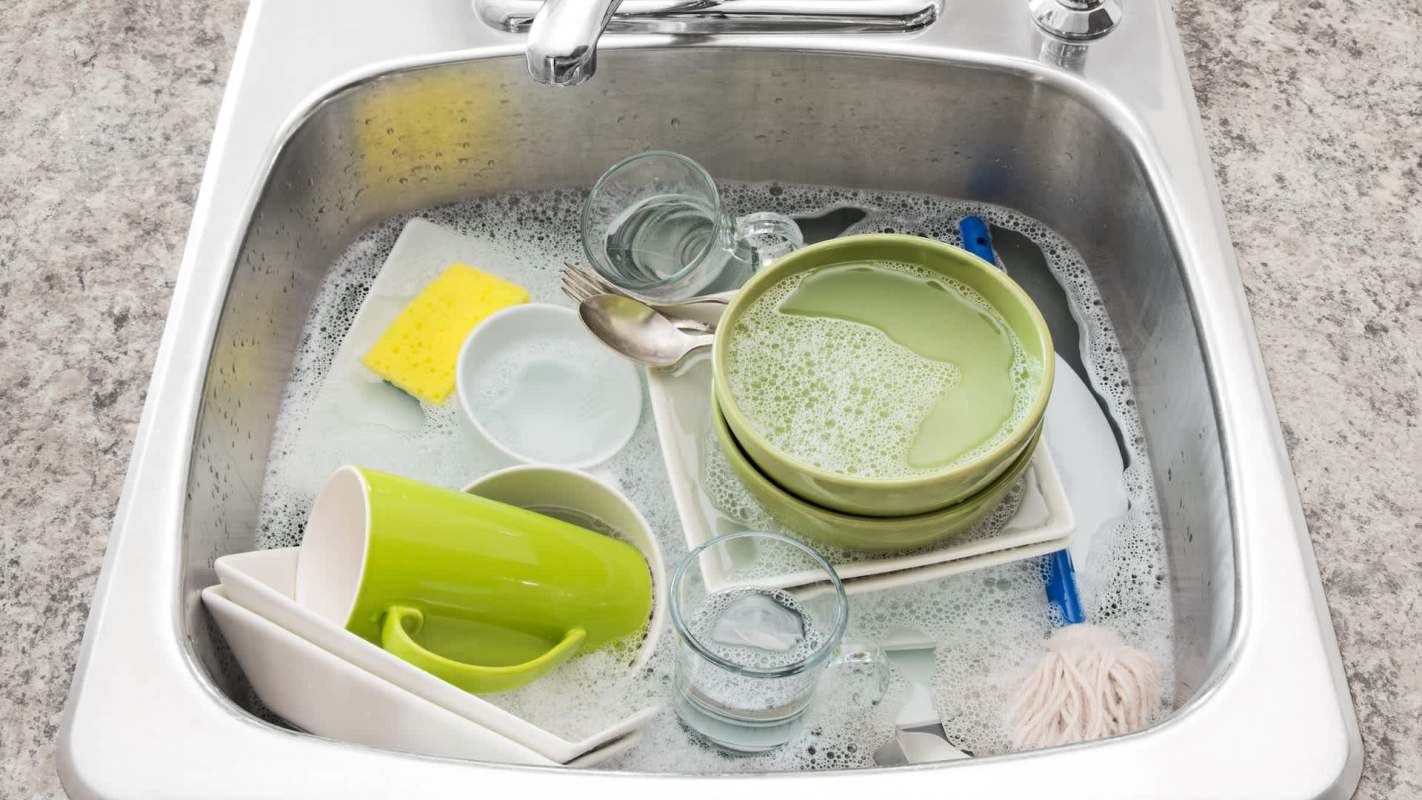
"Use your dishwasher as much as possible, it usually uses less water than hand washing," another commenter wrote. If you already have a dishwasher, that change can reduce both water use and the energy needed to heat extra wash water.
For outdoor use, commenters highlighted ways to rely less on fresh tap water: use saved greywater on trees and plants where local rules allow, favor native plants that require less irrigation, and collect rainwater during storms. None of these steps will solve a regional drought on its own, but together they can help households waste less, spend less, and stay within local limits.

Get TCD's free newsletters for easy tips, smart advice, and a chance to earn $5,000 toward home upgrades. To see more stories like this one, change your Google preferences here.






