


Sustainability advice often arrives as a long list of things people are told they should do. But one online discussion took a different approach, focusing instead on what had actually made a meaningful difference in people's everyday lives.
The original poster framed it simply: "I'm curious to know real experiences. What's one sustainability habit you've adopted that made a noticeable difference in your daily life?"
What's happening?
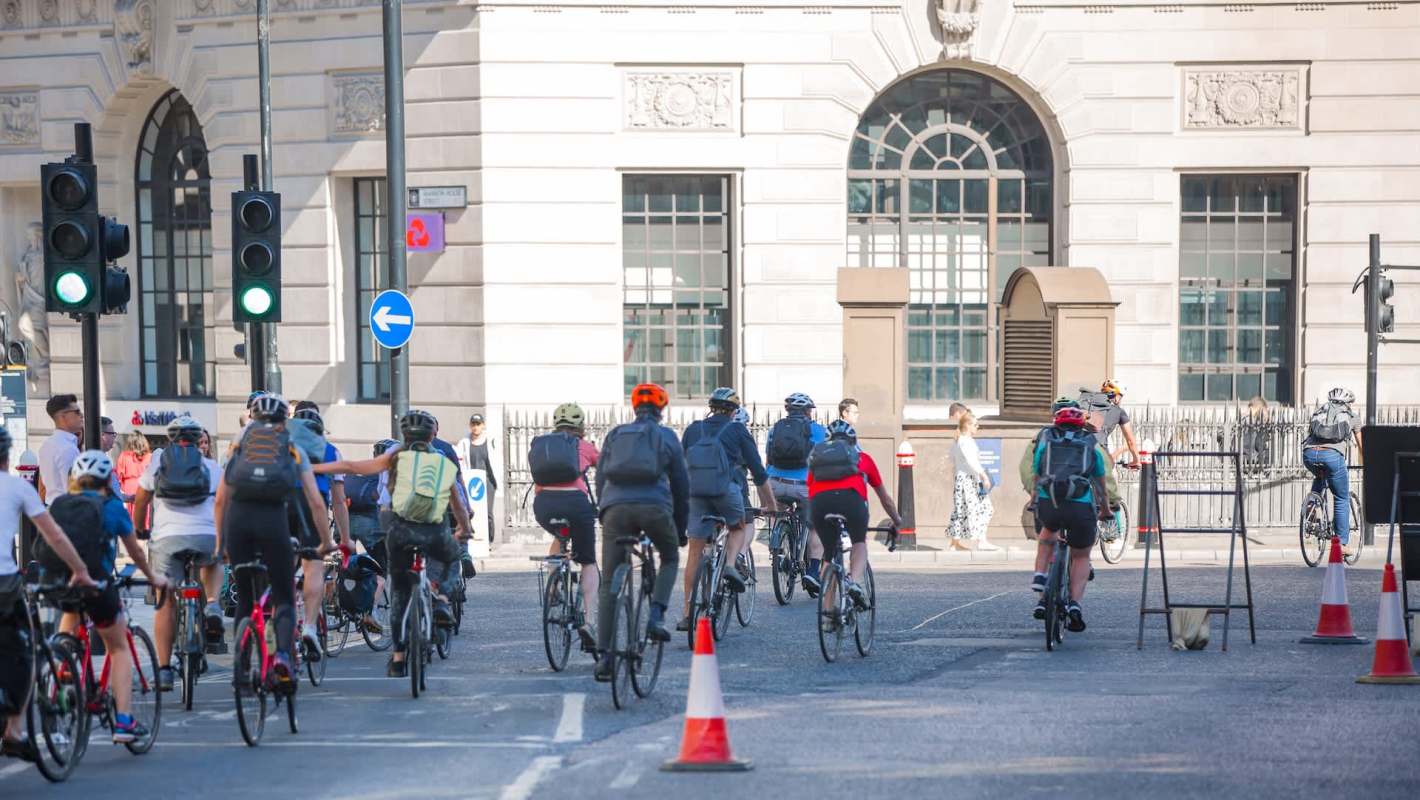
In a Reddit discussion about daily sustainability, people shared the changes they had found most useful in their daily lives. The replies covered a wide range of topics, including plant-based eating, biking, or generally using a car less, as well as cutting back on unnecessary shopping, choosing secondhand items, gardening, and making home improvements that lower energy demand.
One commenter wrote, "Eating Plant Based and riding my bicycle."
Another said, "Getting rid of our car. Not taking the plane in the last 10 years."
The discussion also veered into complaints that rail service in the United States falls far short of what many people see in Europe.
TCD Picks » Quince Spotlight
💡These best-sellers from Quince deliver affordable, sustainable luxury for all




A separate set of replies focused on consuming less and reusing more. One user said, "Being more intentional with my spending - like searching for used or eco friendly before hitting 'add to cart.' Ditching Amazon over a year ago was a huge change."
Gardening, native landscaping, thrift shopping, and fixing things rather than replacing them were also recurring themes.
Why does it matter?
Commenters often described these habits not as a burden, but as ways to save money, improve their health, reduce clutter, and feel more connected to their communities.
Home-related changes stood out for some people because the benefits were immediate and measurable. One commenter wrote, "I used to buy 4-8 cases per month of plastic water bottles, spending about $80-120/mo. I got a water cooler and some 5 galllon jugs that I refill, now I'm spending about $12/mo for better quality water without needing to manage all the plastic waste"
Another shared, "Heat pump installation has been the best bang for my buck - eliminated natural gas service and got AC."
Others emphasized how these choices changed the feel of everyday life.
"Biking! I'm finally meeting my neighbors, seeing more of my town, more energy, enjoying time outside," one commenter wrote.
What can I do?
For anyone looking for a manageable place to begin, consider habits like buying used before buying new, trying more plant-based meals, skipping more fast fashion purchases, or replacing short drives with walking, biking, or transit when possible.
Plenty of sustainable actions don't have a high upfront cost. Commenters mentioned borrowing items they rarely use, shopping at thrift stores, refilling large water jugs, and building native gardens or pollinator-friendly yards. These kinds of changes can cut waste while also lowering costs and strengthening local ties.
Some commenters also pointed to larger household investments, including heat pumps and solar panels, as money-saving moves over time. Across the thread, the changes people kept up with most consistently were often the ones that made day-to-day life better too.
As one commenter put it, "Being vegan. It's the biggest change we could make for the environment. It also has the added benefits of being much cheaper, healthier, and more ethical."

Get TCD's free newsletters for easy tips, smart advice, and a chance to earn $5,000 toward home upgrades. To see more stories like this one, change your Google preferences here.






