


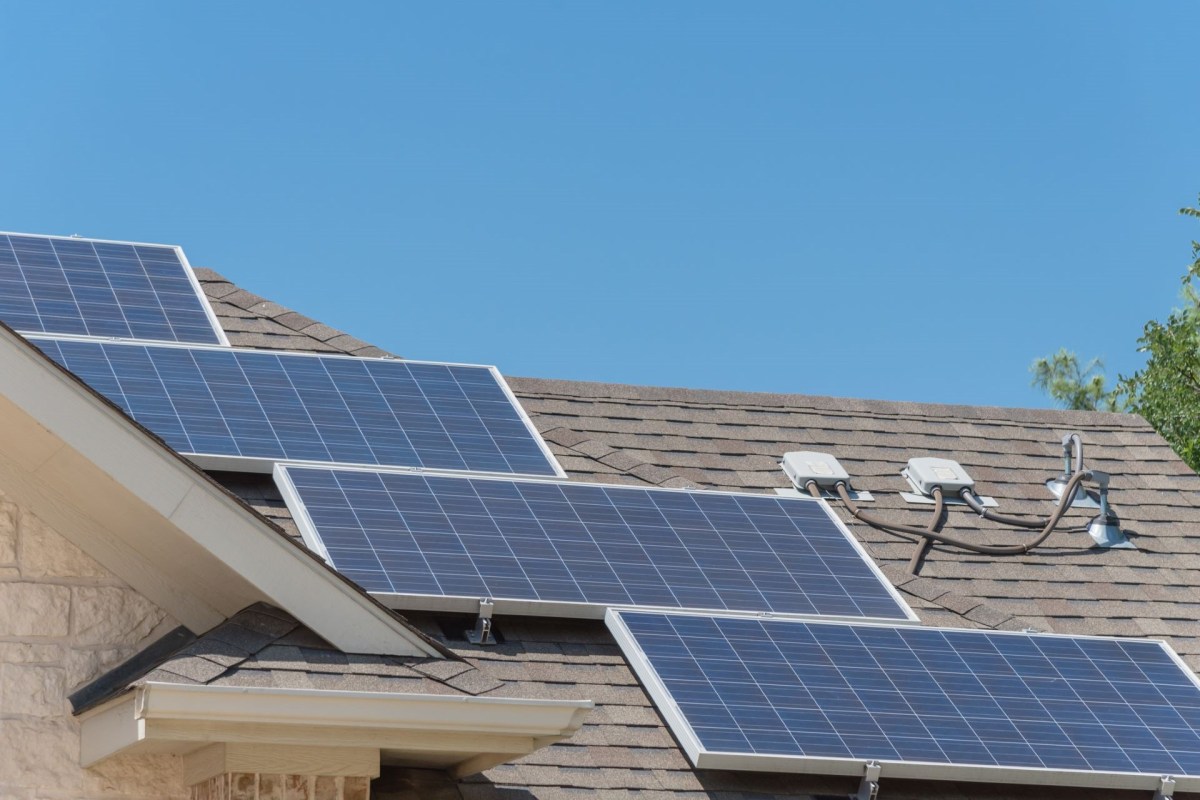
Solar panels can seem like a major selling point when buying a home. However, one new homeowner's first utility bill showed that rooftop solar does not always translate into immediate savings — especially when the system is not paired with the right electricity plan.
What happened?
According to a Reddit post from the homeowner in r/solar, the panels were presented as a clear benefit during the home viewing.
The poster recalled, "[The real estate agent] goes 'come, i want to show you something' and takes us up to the roof like he's revealing a secret weapon."
The agent then said, "'Previous owners put these in, you're going to save a lot on electricity.'"
After the move-in, the financial picture looked very different. The homeowner said their first bill totaled $420, and they later concluded that the home's solar setup may have been sending daytime generation to the grid while the household had to buy electricity back at night at the full rate.
"So we've been generating electricity, handing it to the grid for basically nothing, and paying full price after 5pm like we don't have twelve panels on our roof," they described.
TCD Picks » Quince Spotlight
💡These best-sellers from Quince deliver affordable, sustainable luxury for all




Others in the comments said the bill alone was not enough to pin the problem on the panels.
"You're in the middle of the summer," one wrote. "You have twelve panels of unknown age and quality in a house of unknown size. For all we know, $420 could be perfectly reasonable."
Why does it matter?
Home solar is not a guaranteed shield against high electric bills. Savings can depend on system size, panel condition, utility rate structure, local net metering rules, battery storage, and household energy use.
Solar is often presented as a straightforward way to lower monthly costs. In reality, a poorly understood setup can leave homeowners disappointed, especially if they assume the presence of panels alone will mean lower bills.
Buyers should ask detailed questions before purchasing a home with existing solar. Is the system owned or leased? Is it connected properly? Is there a battery? What utility plan is the home on? The answers can dramatically affect whether a solar system actually reduces costs or simply looks impressive during a walkthrough.
What can I do?
"Make sure you are not on time of use rates which negates a lot of the advantages of solar," one commenter said. "You should be on a net metering plan. Call your power company."
A good first step is to review your utility tariff, check when your home uses the most electricity, and compare that with when your panels generate the most power. If most of your consumption happens after sunset, a battery or load shifting may be needed to maximize savings.
Commenters also suggested verifying that the system is set up and running the way it should be.
"Couple bought house like you, never set up app, never turned on disconnect to the battery," another commenter shared. "Solar company fixed everything by flipping a switch in the homeowner app in under 20 minutes."
For homebuyers, the lesson is fairly straightforward: Treat solar like any other major home system. Ask for production records, installation details, warranty information, and recent utility bills before counting on savings.

Get TCD's free newsletters for easy tips, smart advice, and a chance to earn $5,000 toward home upgrades. To see more stories like this one, change your Google preferences here.






