


A faraway planet is going through a truly brutal summer.
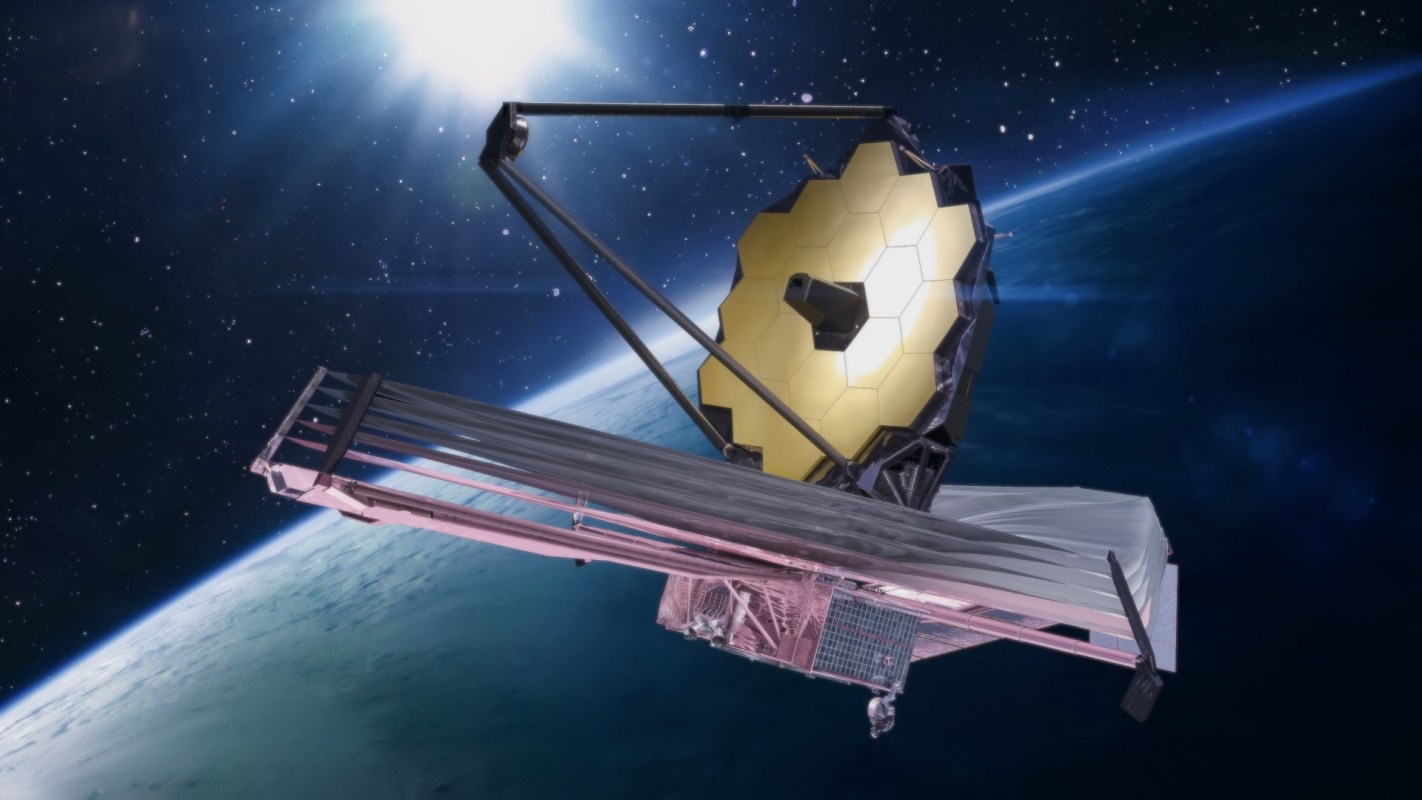
Observations from the James Webb Space Telescope uncovered that one exoplanet, named HD 80606 b, is being absolutely roasted by the star closest to it, increasing its temperature by a whopping 1,100 degrees Fahrenheit and altering the planet's chemistry.
As Space.com reported, HD 80606 b, a giant gaseous planet located about 217 light-years from Earth, is being roasted by its star.
The exoplanet is classified as a "hot Jupiter," a type of massive gas planet associated with intense heat and close orbits.
Rather than circling its star on a nearly round path, HD 80606 b follows a sharply elongated 111-day orbit. The Webb telescope found that when it was at its nearest point to the star,
its temperature increased by 1,100 F.
TCD Picks » Quince Spotlight
💡These best-sellers from Quince deliver affordable, sustainable luxury for all




"Hot Jupiters are already considered some of the most extreme exoplanets we know of, but even among that population, HD 80606 b is one of the most extreme," Tiffany Kataria, who led the research team that made the discovery, said.
Because of the extraordinary nature of the finding, HD 80606 b has been dubbed "the roasted planet."
Ryan Challener, another researcher on the project, explained that "there's so much to learn from this one dataset here — we really are just getting started deciphering what Webb has to tell us."
The team used spectroscopy, which separates light into wavelengths so scientists can identify chemicals in a planet's atmosphere. With Webb's Mid-Infrared Instrument, or MIRI, researchers observed the planet before, during, and after its close pass and found changing chemical signatures, including methane and carbon dioxide.
The same technology helping scientists decode worlds far beyond our solar system can also improve how researchers model climate systems and study extreme weather on planets. It also helps astronomers refine their ability to identify which distant worlds might someday be worth closer study in the search for other life.

Get TCD's free newsletters for easy tips, smart advice, and a chance to earn $5,000 toward home upgrades. To see more stories like this one, change your Google preferences here.






