


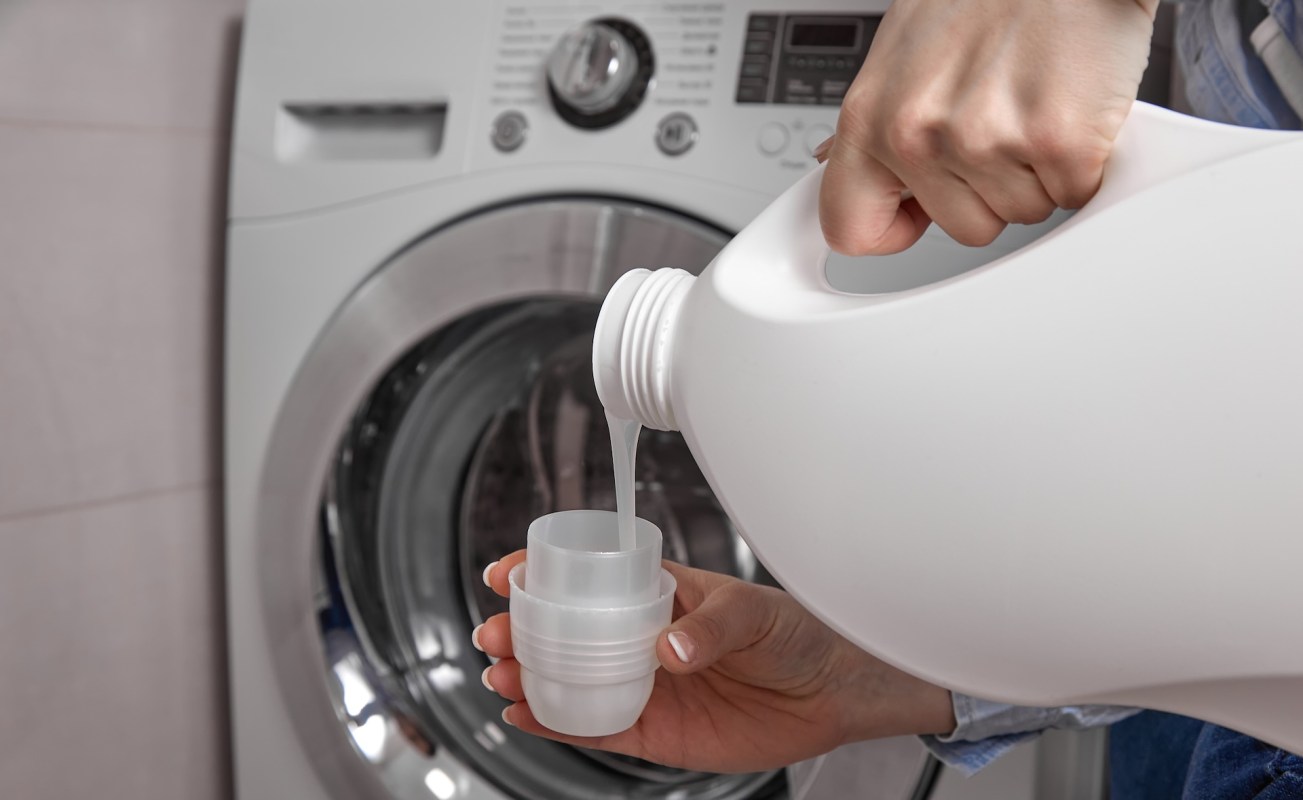
A Reddit thread about saving money on laundry products drew widespread attention when one budget-conscious shopper said they had found a cheap detergent that matched a far costlier brand, prompting them to wonder whether they had mainly been paying for fragrance.
What happened?
The conversation started when a Reddit user said a comparison between branded and unbranded laundry detergent left them feeling misled, since the cheaper store option seemed to deliver the same cleaning results as the more expensive name brand.
The poster wrote: "I made a post in a UK frugal sub asking about branded vs unbranded laundry detergent and I feel so scammed to learn that branded laundry detergent is all marketing and extra scent rather than extra cleaning power. I've been spending £10+ when I could have been spending £1.50 for the same result. What else should I look out for?" In U.S. dollars, the comparison is roughly $13 to $2.
The discussion soon expanded beyond detergent, with other shoppers sharing examples of products they believed were priced higher because of branding or packaging rather than better quality.
Two ideas came up again and again: commenters said store-brand versions of basics like detergent and cheese can hold up against name brands, and they were also skeptical of nutrition-focused buzzwords featured prominently on labels.
Why does it matter?
For shoppers dealing with persistently high household bills, even small changes can add up quickly. If a £1.50 detergent performs just as well as a £10-plus version, that kind of realization can lead to meaningful savings over the course of a year without requiring people to give up anything they actually value.
TCD Picks » Quince Spotlight
💡These best-sellers from Quince deliver affordable, sustainable luxury for all




There is also a broader benefit to buying only what works instead of what is heavily branded. Cutting back on unnecessary upcharges can help reduce impulse spending.
What are people saying?
Commenters were quick to offer their own examples. One wrote, "Adding the word 'protein' to a label and upcharging — little to no difference for some things (looking at you, Babybel)."
Another added, "My husband is predicting that fiber will be 'the next protein.' But it won't be the fiber you get from eating fruits and vegetables. Oh no. They'll just add the word FIBER to processed food packages. "
Others said that trend may already be underway. One commenter responded, "Honestly good — I wonder how much of America's disorders are from insufficient fibre intake relative to fats," while others responded to report their European country had already begun marketing foods with higher fiber.

Get TCD's free newsletters for easy tips, smart advice, and a chance to earn $5,000 toward home upgrades. To see more stories like this one, change your Google preferences here.






