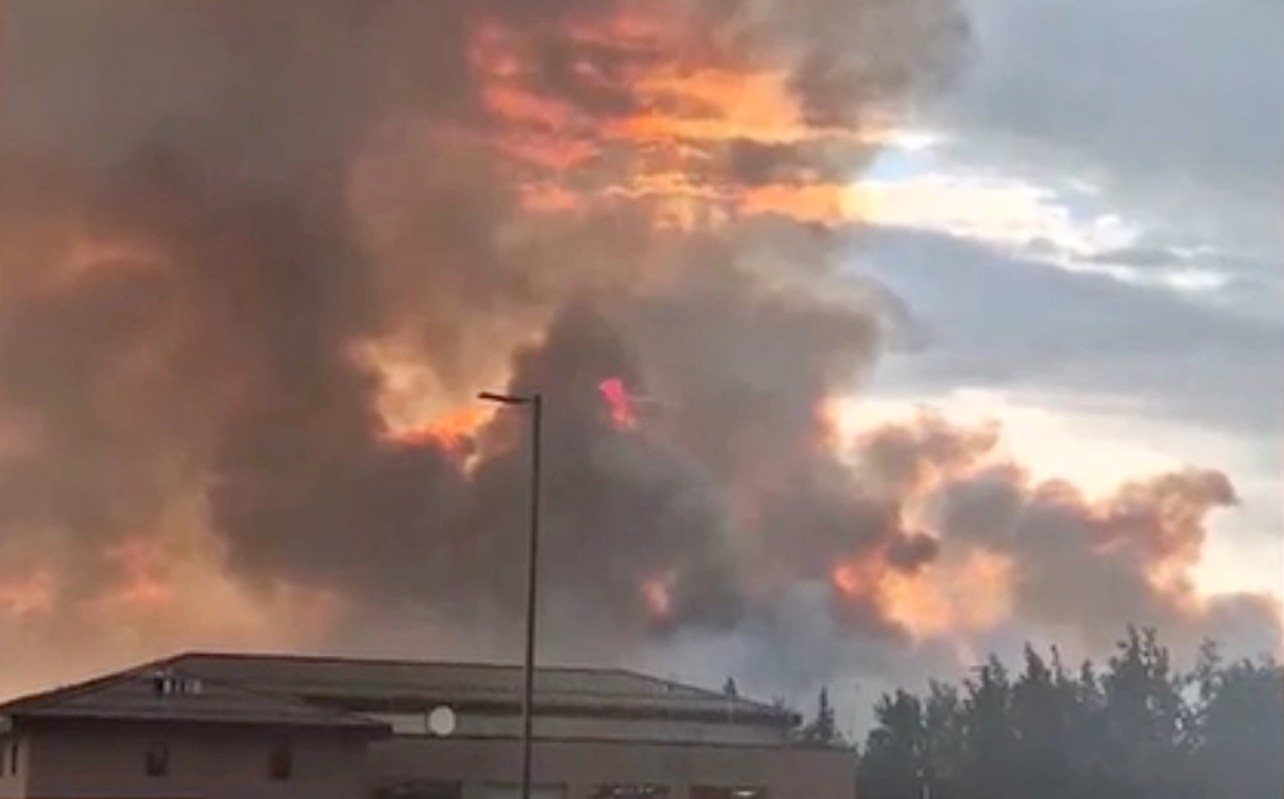
A wildfire burning behind an elementary school in Anderson, Alaska, threatened nearby structures, prompting officials to tell residents to leave immediately.
The blaze, known as the Starry Fire, remained a serious threat even as crews reported progress in their response efforts.
What's happening?
The Denali Borough kept Anderson under a "Go" evacuation status, telling residents not to wait to leave, KTUU reported. The borough said evacuees could use Tri-Valley School in Healy as a shelter and that anyone needing assistance should call the borough directly.
Officials said structures were still at risk from the Starry Fire, which the Alaska Division of Forestry and Fire Protection reported was burning behind the elementary school on the south side of town. Late Sunday, state fire officials said the blaze had grown to 543 acres.
"Adverse winds today caused embers to spot over the line in both divisions. All the spots were caught, but crews did many sweeps outside of the fire perimeter to make sure nothing else was burning," the division said.
Why does it matter?
Wildfires also pose immediate public health risks. Smoke can worsen asthma and other lung conditions, while rapidly changing fire behavior can put residents, first responders, and nearby communities in danger.
TCD Picks » Quince Spotlight
💡These best-sellers from Quince deliver affordable, sustainable luxury for all




Worsening extreme weather disasters endanger lives by disrupting housing, transportation, health care access, and local businesses.
What's being done?
Firefighters are using both air and ground resources to slow the blaze and protect Anderson and nearby regions.
"Suppression efforts have included helicopter bucket operations, water-scooping aircraft, and retardant tankers, along with extensive ground operations such as dozer line construction, hose lay, and saw line work," the Denali Borough said, per KTUU.
Fire managers were closely monitoring the forecast. The borough noted that crews stressed "the potential for changing wind conditions due to forecasted thunderstorms," which could quickly alter the fire's behavior.
Officials advised people in or near evacuation zones to follow local alerts immediately; know where shelters are located; keep phones charged; and have go-bags ready with essentials such as prescriptions, ID, water, and clothes.

Get TCD's free newsletters for easy tips, smart advice, and a chance to earn $5,000 toward home upgrades. To see more stories like this one, change your Google preferences here.