


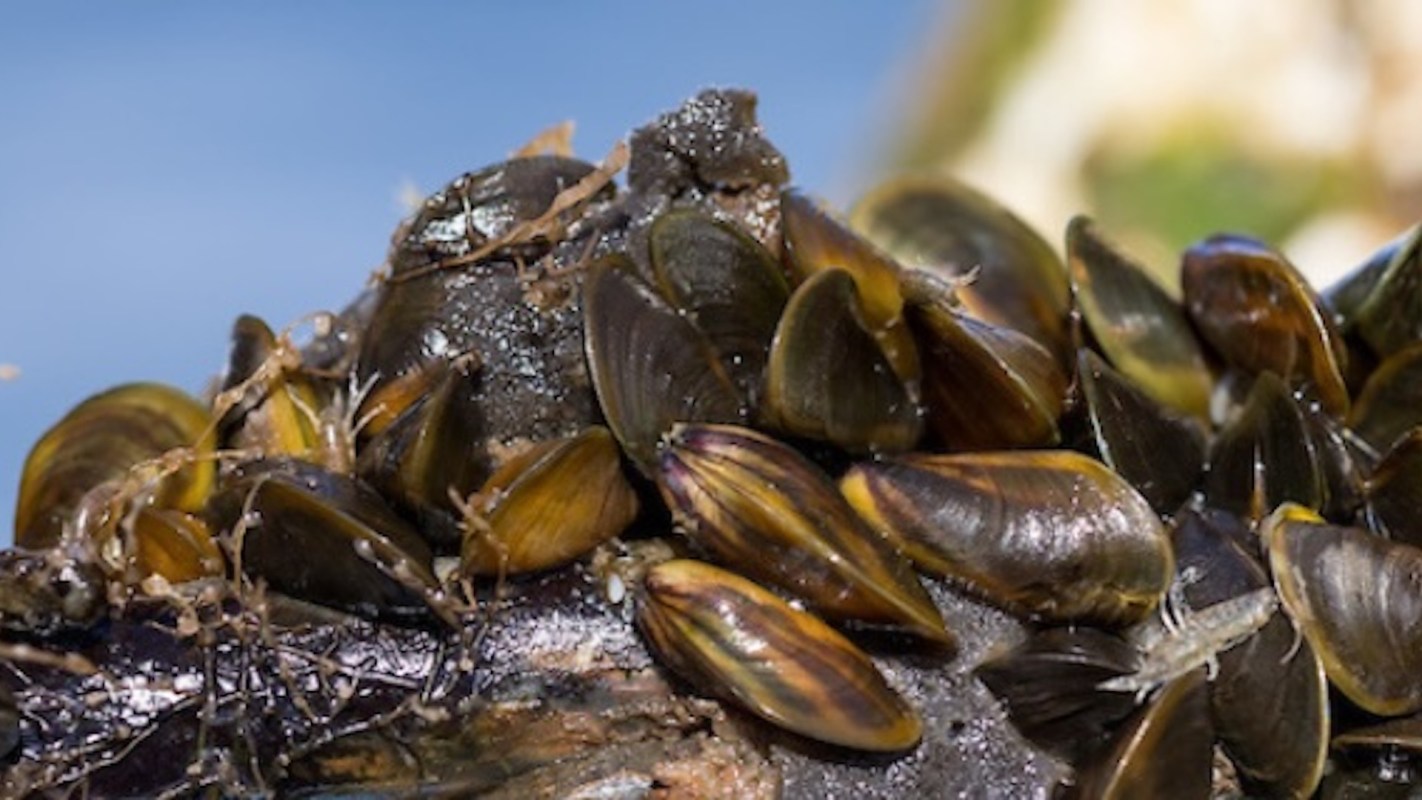
An invasive freshwater mussel is prompting officials in California's capital region to intensify their response, as leaders warn the tiny species could create major problems for water systems people rely on every day.
Sacramento County said the Sacramento County Board of Supervisors issued a local emergency declaration Tuesday, June 16, in response to the spread of the golden mussel, a move intended to strengthen coordination with regional, state, and federal agencies.
What's happening?
Officials have grown increasingly concerned about how quickly golden mussels could move through California waterways since the Asian species, Limnoperna fortunei, was first detected in North America in October 2024.
One reason the species worries water managers is its ability to multiply rapidly and form dense clusters on hard surfaces.
When those colonies build up on pipes and other water conveyance equipment, they can create serious problems for the businesses and farms that rely on those systems.
Containing the mussels is especially difficult because they can spread through waterways and be carried on boats and other watercraft.
TCD Picks » Quince Spotlight
💡These best-sellers from Quince deliver affordable, sustainable luxury for all




Sacramento County's declaration follows similar emergency actions in San Joaquin County and Kern County as more jurisdictions raise alarms about the invasive species.
According to county officials, the threat reaches across the environment, the local economy, and critical water-related systems used by residents and agriculture.
Why does it matter?
Invasive species such as golden mussels put added strain on the systems that communities need to function.
If water infrastructure becomes clogged or damaged, it can lead to higher maintenance costs, service disruptions, and added pressure on food production.
In Sacramento County, waterways and water infrastructure are central to daily life and the regional economy.
Sacramento County said those waterways and related systems are essential for residents, businesses, and agriculture, and all of them can suffer when an invasive species takes hold.
There is also an environmental toll. Golden mussels compete with native species and can disrupt aquatic ecosystems, leaving waterways less healthy over time.
That creates a double burden, forcing communities to manage infrastructure problems while also dealing with ecological damage.
What's being done?
County officials said the emergency proclamation gives Sacramento County more room to work with water agencies, environmental partners, and state officials as it tracks the species and organizes its response.
Officials said the immediate priority is limiting further spread. Because the mussels can be transported on boats and water equipment, Sacramento County said residents should wash tubes, kayaks, canoes, and other watercraft after use.
The county is directing residents to the Stop Aquatic Hitchhikers website for guidance on properly cleaning boats and gear to help prevent the spread of invasive species.
Anyone who believes they have spotted golden mussels can report the sighting to Invasives@wildlife.ca.gov.
Preventing them from being transported from one waterway to another is often far easier — and far less expensive — than trying to remove them after they have spread.
Sacramento County said it will continue working with partners to monitor the threat and help protect the waterways and infrastructure that support residents, businesses, and agriculture.

Get TCD's free newsletters for easy tips, smart advice, and a chance to earn $5,000 toward home upgrades. To see more stories like this one, change your Google preferences here.






