


An airport seizure outside Buenos Aires has put a largely overlooked criminal trade back in focus: marine wildlife trafficking.
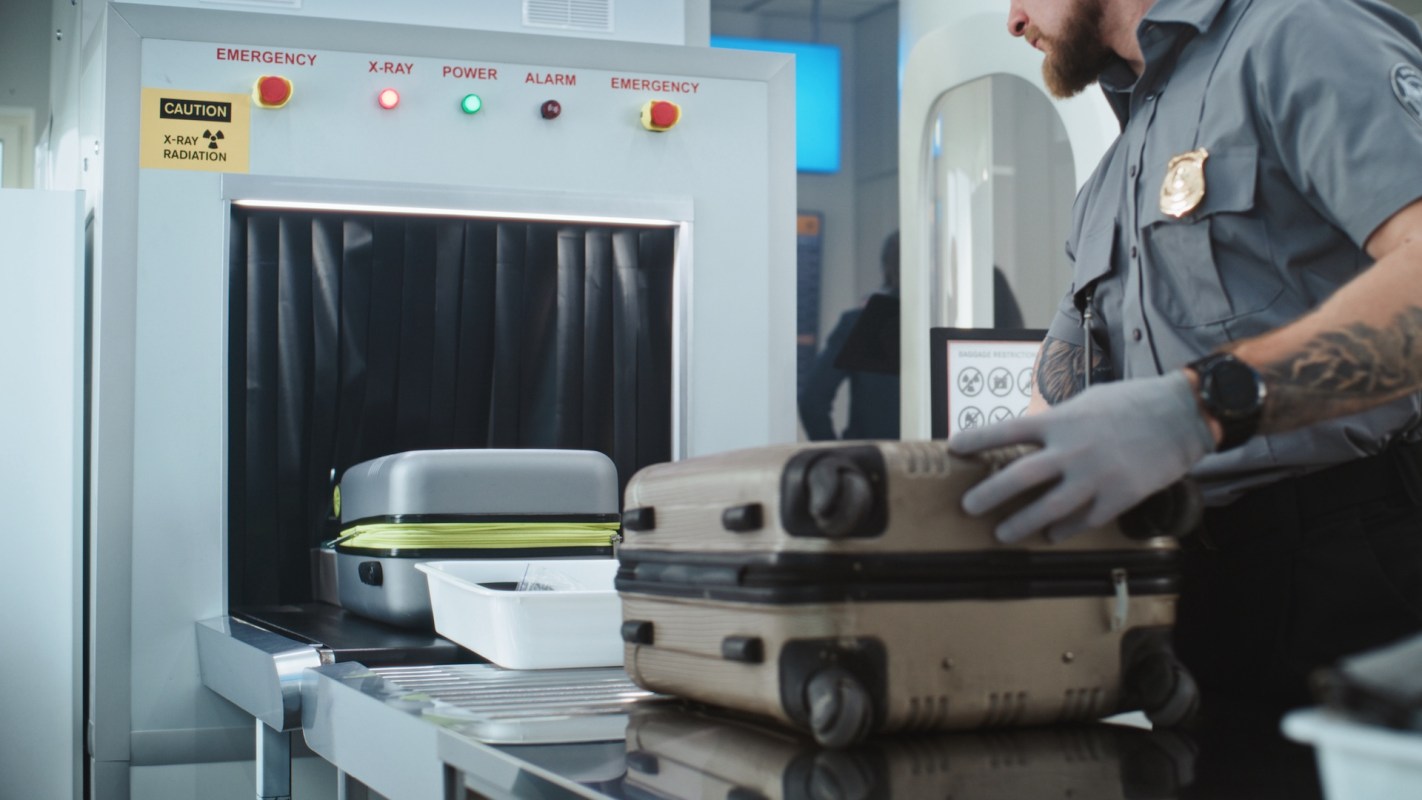
Researchers say customs officers may soon have a new way to catch some of those shipments, using AI software alongside 3D X-ray screening before the cargo passes through.
What happened?
The case unfolded in late April, when Argentine authorities found an illegal shipment at an airport near Buenos Aires containing dead and dying fish, octopuses, and crabs.
Mongabay reported that enough animals survived the seizure that a national rescue center had to set up 10 emergency tanks. The Associated Press reported that officials had made two other marine wildlife seizures at that airport in the previous year.
According to Mongabay, researchers say they have created the first AI system designed specifically to detect trafficked dead marine wildlife in 3D X-ray images.
The project was led by Vanessa Pirotta, a marine biologist at Macquarie University in Australia, and the model was trained on nearly 6,000 simulated bags, some of them hiding shark fins, seahorses, and sea cucumbers.
TCD Picks » Quince Spotlight
💡These best-sellers from Quince deliver affordable, sustainable luxury for all




Performance was strongest for animals with more recognizable shapes. Mongabay reported that the system detected shark fins and seahorses with 95% to 96% accuracy, while sea cucumbers were identified 86% of the time.
"As it stands, our methods of detecting something that shouldn't be in our bags on the front line is reliant on human inspection and biosecurity dogs," Pirotta told Mongabay. "AI could be used to complement that. It's not a silver bullet, but an assistant and a tool."
Why does it matter?
Marine wildlife trafficking is expanding as demand persists for luxury food products, ornamental species, and traditional medicines. A large share of it travels through airplane luggage and airmail, where most shipments go undetected by authorities.
The harm reaches beyond the animals being moved illegally. Wildlife trafficking can fuel biodiversity loss, the spread of infectious diseases, invasive species, organized crime, and labor abuse.
Officials participating in Operation Thunder, a global enforcement campaign run by Interpol and the World Customs Organization, seized 91,000 pieces of trafficked marine life in 2025, nearly twice the combined total for reptiles, birds, and primates.
The technology still faces important limits. Mongabay reported that the system has been tested only on dead specimens, mostly dried ones, and that it depends on real-time 3D X-ray scanners that are not available everywhere.
Researchers also said sea cucumbers were more difficult for the system to identify because their shapes vary more.
What are people saying?
The findings have given researchers and enforcement experts reason for optimism, though they are still careful about overstating what the technology can do.
"Detection is the first link in a longer chain, not the whole answer," a spokesperson from the United Nations' Office on Drugs and Crime told Mongabay. "Technology can flag a bag. People, forensics, and prosecutors turn a flagged bag into a sentence."
Sarah Foster, a fisheries researcher at the University of British Columbia, pointed to a broader cultural obstacle. "Our biggest challenge in ocean conservation writ large is getting people to recognize fish as wildlife, the way they care about elephant ivory or rhino horn."

Get TCD's free newsletters for easy tips, smart advice, and a chance to earn $5,000 toward home upgrades. To see more stories like this one, change your Google preferences here.






