


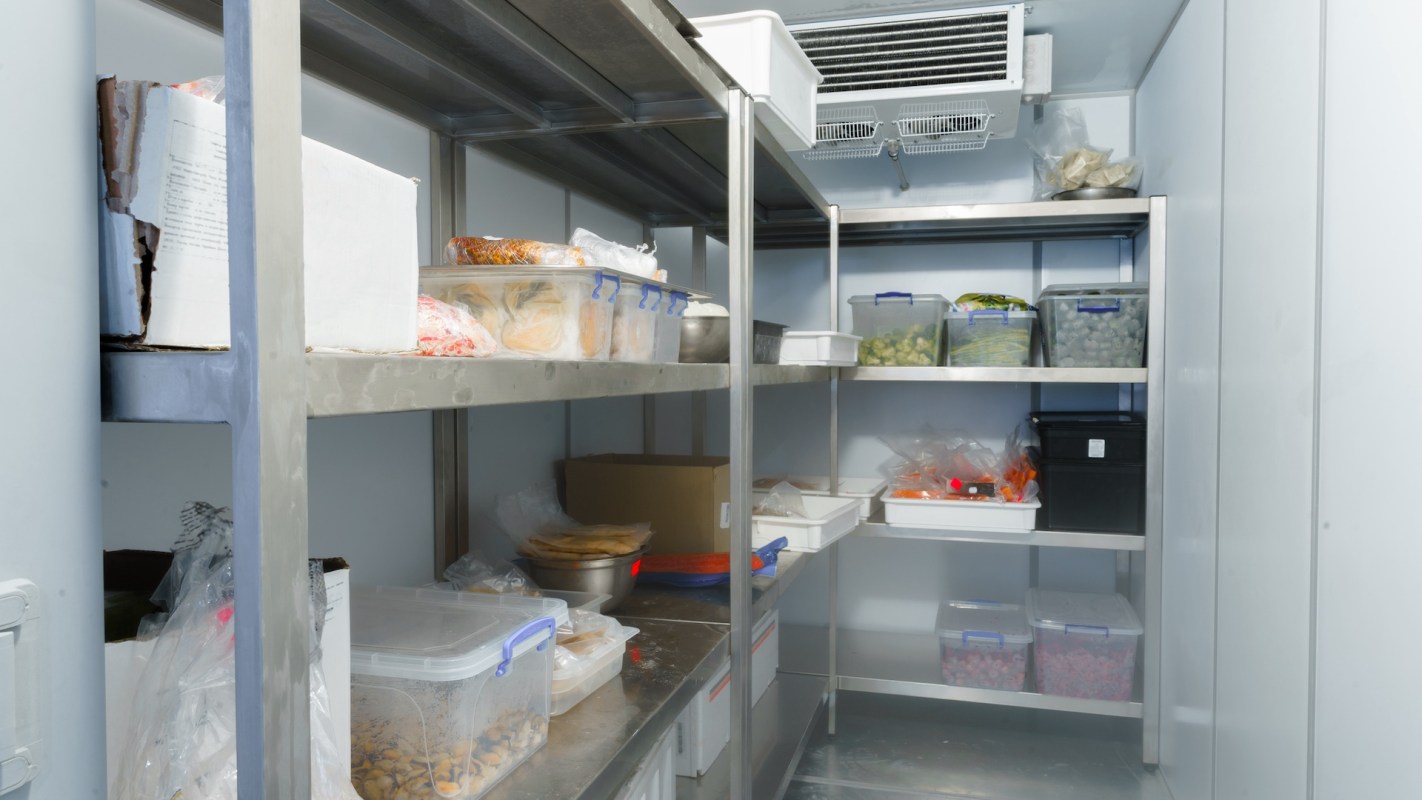
By using solar-powered cold rooms to store crops, farmers in parts of Africa are reducing postharvest spoilage and earning better returns.
Euronews reported that the rental model is spreading in Kenya, Nigeria, Ethiopia, Rwanda, and South Africa, where off-grid refrigeration is helping farmers protect harvests from intense heat and transport delays.
What's happening?
For many farmers, the most vulnerable point comes after crops are picked. Without dependable cooling in places facing extreme heat and unreliable electricity, fresh vegetables, fruit, dairy, and fish can spoil quickly.
Kenyan farmer Yvonne Anyonyi Mumiah said the consequences are both personal and financial. "You can do everything right on the farm, but if the produce is not stored properly, you lose both the product and income," she said.
Weak storage, transport, and processing systems cause up to 40% of food produced in Africa to be lost between harvest and sale, according to the Food and Agriculture Organization.
Rather than paying about $30,000 upfront for their own cooling units, many farmers rent storage only when they need it.
TCD Picks » Quince Spotlight
💡These best-sellers from Quince deliver affordable, sustainable luxury for all




Companies such as Soko Fresh say that approach has lowered customer spoilage rates from as high as 50% to less than 2% and increased earnings by up to 50% per kilogram.
Why does it matter?
Reducing food waste means more fresh produce reaches families, businesses lose less revenue, and communities have a steadier food supply.
Keeping more edible food in the market can also help reduce price pressure.
Emmanuel Aziebor, regional director for Africa at CLASP, said cold storage is still a major weak point in the region's farm economy. "Cold storage remains one of the missing links in Africa's agricultural value chains," he said.
The benefits also extend to health and the climate. Many conventional cold-storage systems still rely on diesel generators, which are expensive to operate and contribute to pollution, while solar-powered alternatives can reduce fuel use, lower operating costs, cut emissions, and preserve nutritious food for longer.
That can keep produce marketable for weeks instead of only days.
What's being done?
Solar cooling hubs are being rolled out in several forms across Africa.
ColdHubs has installed solar walk-in cold rooms in major agricultural markets in Nigeria.
Rwanda is using solar-powered refrigeration to support dairy cooperatives and improve milk collection.
Ethiopia is expanding cold-chain investment to back horticultural exports, a rapidly growing agricultural sector.
Experts say the next big obstacle is financing. Carol Koech, vice president for Africa at the Global Energy Alliance for People and Planet, said, "The challenge today is not demonstrating that these systems work. It is building enough bankable projects that can attract larger pools of investment and scale across countries."
Aziebor said longer storage times can help farmers reach better markets while cutting waste and raising income. "When farmers can store produce for longer, they gain access to better markets, reduce waste and increase incomes," he said.

Get TCD's free newsletters for easy tips, smart advice, and a chance to earn $5,000 toward home upgrades. To see more stories like this one, change your Google preferences here.






