


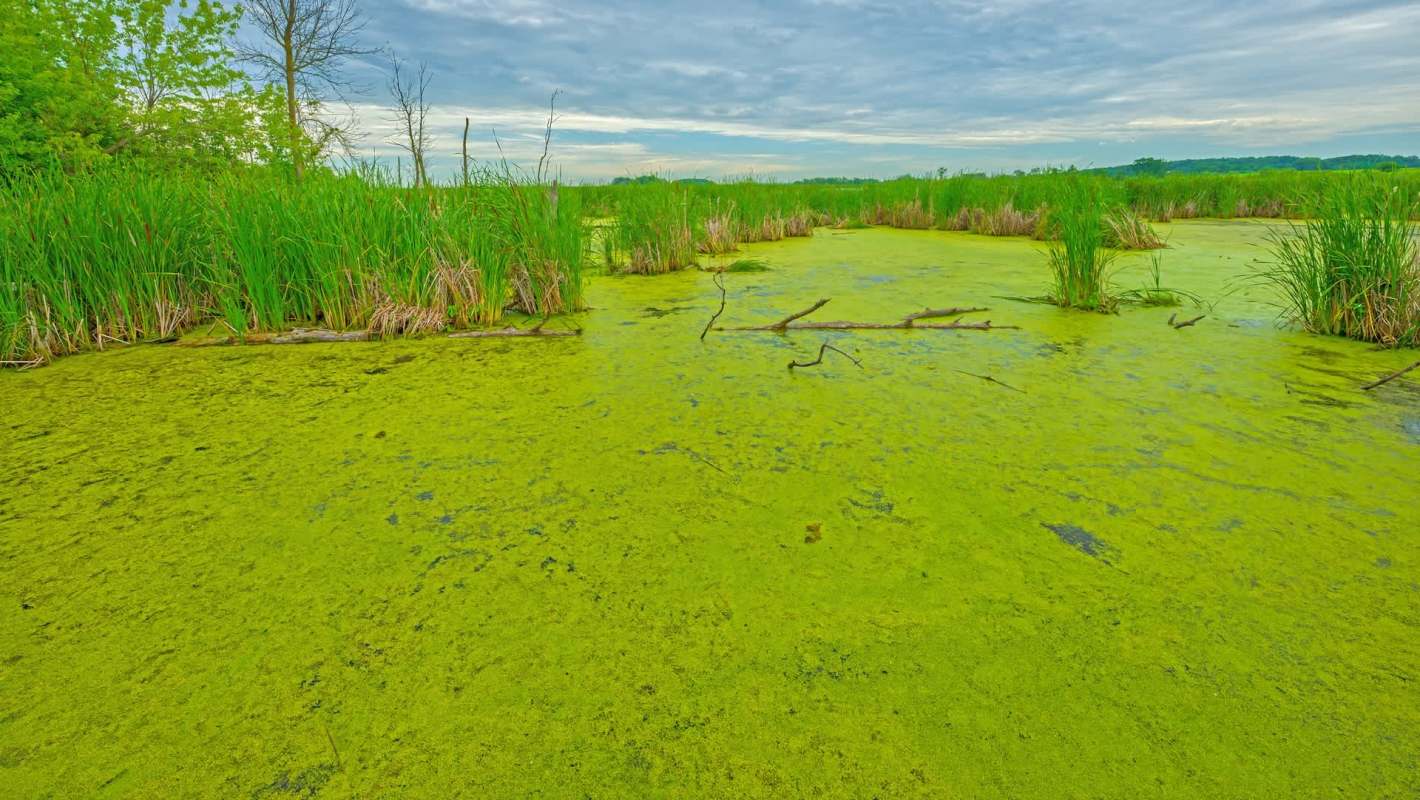
Beyond fueling heat illness, America's hottest summer days may also be putting lakes, ponds, and slow-moving rivers at unusual risk for one of the most dangerous harmful algal bloom seasons in years.
What's happening?
Across the United States, record-breaking summer heat in 2026 is warming surface waters.
According to Medical Daily, those warmer conditions can trigger harmful algal blooms (HABs), which are rapid outbreaks of cyanobacteria, often called blue-green algae.
The same heat wave associated with ER spikes in Phoenix, Houston, and Chicago is also colliding with abundant sunlight and nutrient pollution from farm runoff, yard fertilizers, and septic systems.
When these organisms multiply, many cyanobacteria can produce cyanotoxins that sicken people, pets, and wildlife.
A bloom may show up as water that turns bright green, blue-green, or "pea-soup" colored, or as foam, scum, and foul odors gathering along the shoreline.
TCD Picks » Quince Spotlight
💡These best-sellers from Quince deliver affordable, sustainable luxury for all




Not every bloom is easy to spot, which makes them particularly dangerous at familiar swimming areas where people may not realize the water is contaminated.
Researchers have already documented a connection between rising temperatures and the spread of HABs, with blooms expected to become more frequent, last longer, and appear in more places.
Why does it matter?
This is as much a public health issue as an environmental one. Depending on the type of exposure, cyanotoxins can affect the liver, nervous system, skin, lungs, and other organs.
Among the best-known toxins are microcystins, and swallowing contaminated water that contains them has been linked to stomach pain, nausea, vomiting, diarrhea, and acute liver injury.
Cyanobacteria can also produce cylindrospermopsins, which may damage multiple organs, and saxitoxins, which have been identified in freshwater cyanobacteria in several U.S. states.
Even direct skin contact can cause reactions such as rashes and blisters, as well as irritation of the eyes or nose, while inhaling spray from contaminated water can trigger coughing and asthma flare-ups.
For dogs, the danger can be especially immediate: anatoxins may lead to staggering, paralysis, breathing problems, and sometimes rapid death soon after contact with tainted water.
Children are also especially vulnerable because they often ingest more water while swimming and may stay in it longer.
In practical terms, a lake that looks only slightly discolored can quickly become a serious hazard, especially during prolonged heat.
What can I do?
If water appears green or blue-green, or if you see scum, mats, or foam near the shore, skip the swim and keep pets from entering or drinking it.
The core advice from public health officials is simple: "If in doubt, stay out."
Before heading to a lake or pond, check your state health department's website for active advisories. Many states now post alerts by water body and provide hotlines or reporting tools for suspected blooms.
If you or your child swam in questionable water, rinse off with clean water immediately and watch for rash, eye irritation, nausea, vomiting, diarrhea, headache, fever, or breathing trouble.
If symptoms develop, seek medical care.
If a dog may have been exposed, rinse it thoroughly and seek emergency veterinary care right away if you notice drooling, weakness, convulsions, trouble breathing, or staggering.
There is no antidote, so fast supportive treatment is critical.

Get TCD's free newsletters for easy tips, smart advice, and a chance to earn $5,000 toward home upgrades. To see more stories like this one, change your Google preferences here.






