


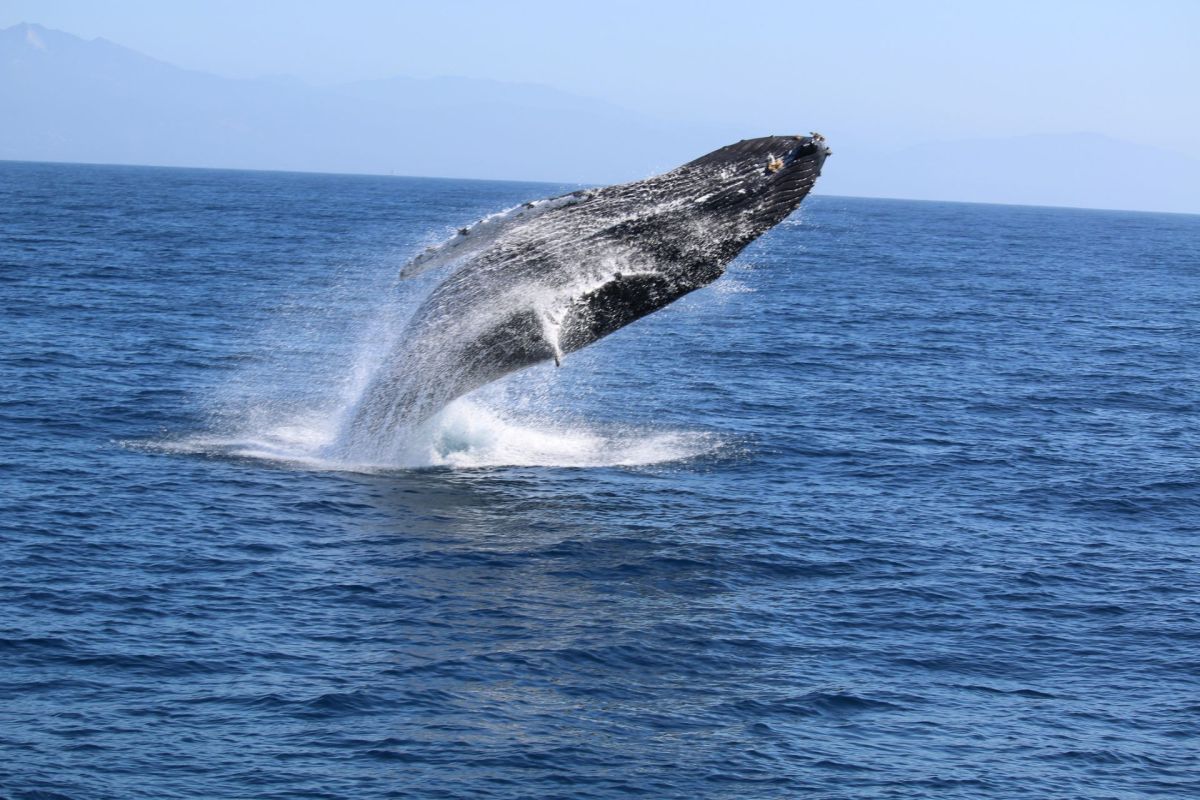
Conservation advocates are warning that whales off America's West Coast may be entering another risky summer, with a marine heat wave expected to raise the chances that whales may swim closer to shore and get tangled in fishing gear.
That alert comes alongside updated federal numbers indicating that entanglements stayed high in 2025 and that many more cases have already surfaced in 2026.
What's happening?
In a June 15 press release from the Center for Biological Diversity, the group said 33 whales have been reported to have been caught in fishing gear along the U.S. West Coast in 2025, compared with 34 in 2024, the highest total since 2018.
This year has also started on a concerning note, the group said, with at least nine whales already found entangled in 2026. That count includes two humpbacks reported near Monterey, California, in late May.
Threatened or endangered humpback whales made up most of the 2025 cases. The release noted that seven of the entanglements appeared to involve gear from a commercial Dungeness crab fishery, while two humpbacks were caught in netting from a shrimp fishery.
"It's just devastating that so many whales are getting tangled up in fishing gear," Ben Grundy of the Center for Biological Diversity said in the release. "Whale entanglement is not a new problem, and it shouldn't still be happening at these high rates off the West Coast."
TCD Picks » Quince Spotlight
💡These best-sellers from Quince deliver affordable, sustainable luxury for all




The group said federal scientists believe the real number of entanglements could be much higher, up to five times the reported figure.
According to the National Marine Fisheries Service, marine heat waves can displace numerous species, prompting them to move in search of preferred temperatures.
Why does it matter?
Whales play an important role in keeping ocean ecosystems healthy, and coastal communities rely on those same ecosystems for fishing, tourism, and local jobs.
The Center for Biological Diversity said the marine heat wave off California is expected to intensify and last through the summer, creating more opportunities for whales to encounter fishing gear. The group added that a similar event, known as the West Coast Blob, was followed by a rise in entanglements, and levels have remained elevated since 2015.
Grundy followed up in the release, noting that "These deaths could be prevented by closing whale hot spots to fishing or only allowing pop-up gear that reduces the risk of entanglements. If we don't make changes, more whales will suffer and die."
California has already begun testing that strategy. The California Department of Fish and Wildlife has, per the release, closed some areas to Dungeness crab fishing on March 27 and authorized alternative gear beginning April 3.

Get TCD's free newsletters for easy tips, smart advice, and a chance to earn $5,000 toward home upgrades. To see more stories like this one, change your Google preferences here.






