


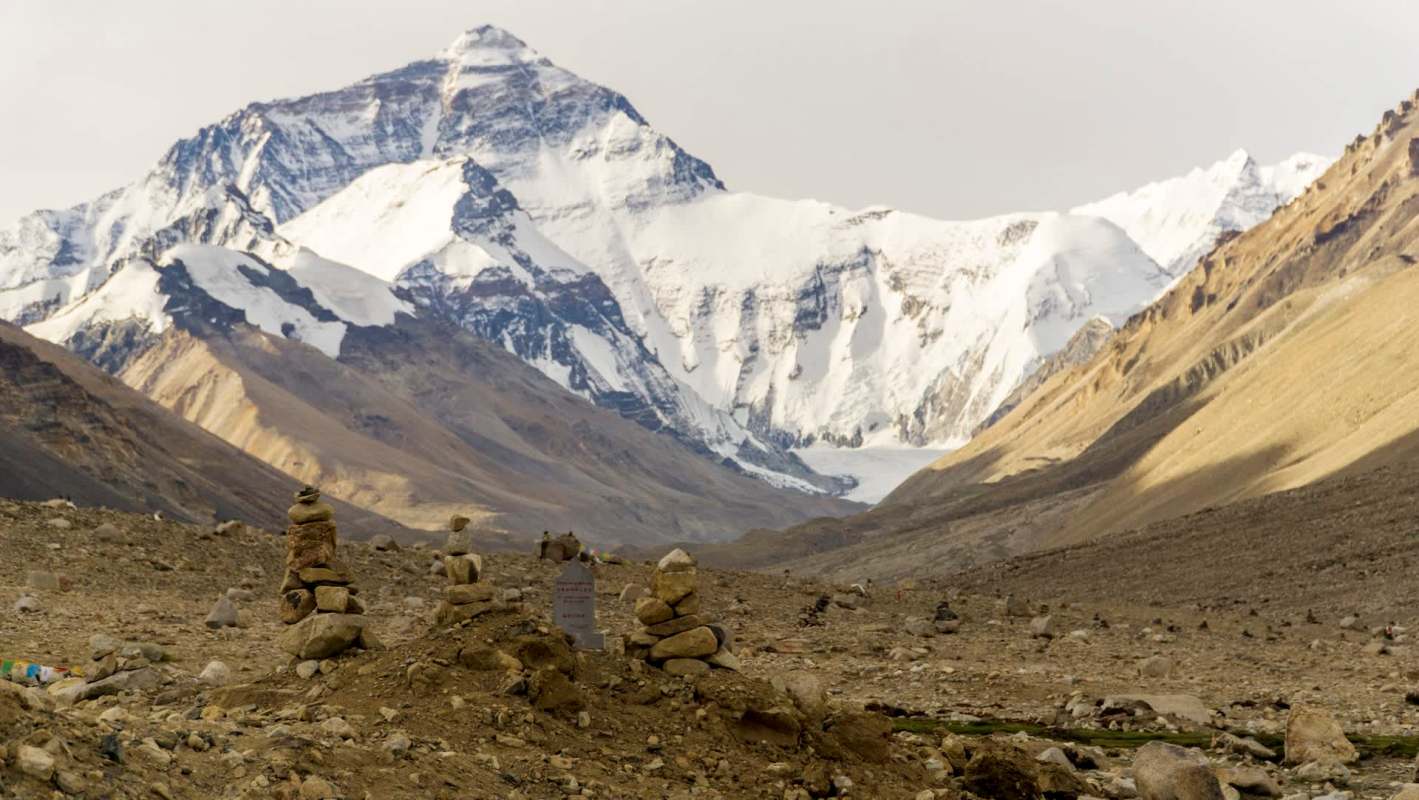
Reports from Nepal have drawn attention to an unusual pattern near Mount Everest, where venomous snakes are turning up in unexpected places — a development that has added to concerns that warming temperatures are altering where wildlife can live.
Officials said rescues near Mount Everest involved nine king cobras and one monocled cobra, along with nests and eggs.
What happened?
The rescues took place in Nepal near the Everest region, where scientists and local officials say the sightings appear to be part of a troubling pattern, the Deccan Herald reported. The snakes were discovered near homes and compounds, even though king cobras and monocled cobras are typically associated with humid tropical habitats, including swamps, mangroves, and areas close to water.
Recent estimates suggest Nepal is warming by about 0.056 degrees Celsius (0.1 degrees Fahrenheit) each year, a trend seen especially on the valley's hilltops and significantly higher than the global average. Scientists say shifts like that can push animals beyond their usual range as they search for conditions in which they can survive.
Why does it matter?
Nepal's Tarai region recorded more than 2,500 snakebite deaths, according to a 2022 report by Lancet Global Health, and experts say many bites still go unreported. The arrival of highly venomous snakes could make an already serious health challenge even harder to manage.
When rising temperatures disrupt ecosystems, animals do not simply vanish — they move. In some cases, that means more contact with humans, more conflict, and more risk for both people and wildlife. King cobras are already considered vulnerable, and encounters near homes can endanger residents while also threatening the snakes themselves.
TCD Picks » Quince Spotlight
💡These best-sellers from Quince deliver affordable, sustainable luxury for all




What are people saying?
Jaya Thapa Magar, an official from the municipality, told The Kathmandu Post, "Those snakes were rescued from houses and compounds with the help of a snake rescuer and were released in the nearby forest."
Rescue teams also pointed to transport as a possible explanation, saying the snakes may have "come to the Valley with logs and hay in trucks." That kind of accidental movement can contribute to dangerous encounters, even far from a species' normal range.

Get TCD's free newsletters for easy tips, smart advice, and a chance to earn $5,000 toward home upgrades. To see more stories like this one, change your Google preferences here.






