


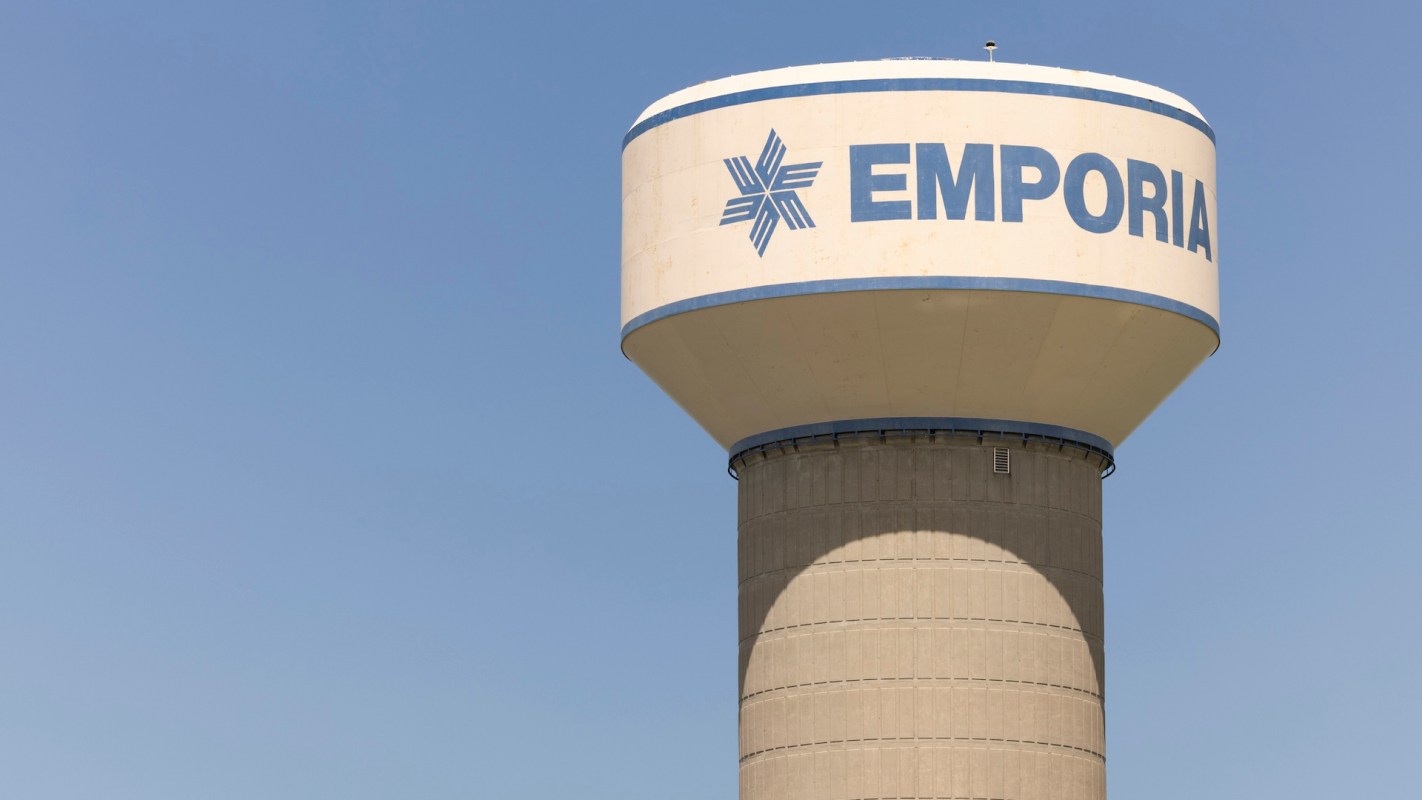
A proposed "hyperscale" data center in Emporia, Kansas, is causing conflict, according to the Kansas Reflector.
Supporters had presented the project as the sort of investment the community needed after Tyson Beef shut down, eliminating 800 jobs.
What happened?
After months of private planning, Emporia officials on June 3 annexed five parcels on the town's west side for what later became known as the Flint Hills Digital Campus, the Kansas Reflector reported.
Advocates cast the proposed data center campus as a multibillion-dollar project that might help replace some of the economic loss tied to Tyson's closure.
The push comes as Emporia continues trying to recover from that loss. The city's unemployment rate reached 5.8% last year before falling to 4.2%, bringing it closer to state and national levels.
As relayed by the Reflector, Regional Development Association interim president Lyle Butler described the proposal as a "once-in-a-generation opportunity to reshape the trajectory of our community."
TCD Picks » Quince Spotlight
💡These best-sellers from Quince deliver affordable, sustainable luxury for all




Residents' concern grew when officials did not initially reveal who the developer was.
Amanda Mendoza, a teacher who lives near one of the proposed tracts, told the Reflector, ""We have yet to receive straight answers, only conjecture of what might be. That's not what I expect from the people who should care the most about us as a community."
The developer's identity became public only later, when online sleuthing pointed to Gary Pinkston. A press release from Pinkston confirmed his identity.
Why does it matter?
What is happening in Emporia echoes a national argument over data centers and artificial intelligence.
A Gallup survey found that 7 in 10 Americans oppose the construction of local AI data centers, citing concerns about environmental impacts and quality of life.
Those concerns can be especially immediate for nearby residents. Large data centers can consume enormous amounts of electricity and water, generate noise, and significantly change surrounding land use.
In Emporia, residents objected to a project that could rise near homes, farms, and an elementary school.
AI also has an increasingly important relationship with the power grid. Supporters argue that it could help manage electricity demand, improve grid reliability, and optimize clean energy systems such as wind and solar.
At the same time, the computing power required to train and run AI tools can increase energy demand, strain water supplies used for cooling, and raise utility costs. It also raises broader concerns about misuse, security, and social disruption.
Many communities are asking whether those tradeoffs are worth it — and whether they are being fully informed before major decisions are made.
What's being done?
The annexation vote was only an initial step for the project. Emporia communications manager Christine Torrens told the Reflector there is a "multi-step public review and approval process," with additional hearings still required before the data center could move forward.
Opposition has spread through protests at meetings, on street corners, and elsewhere around town. Much of the backlash appears to stem not just from the data center proposal itself, but from the way the process unfolded and the lack of information many residents said they received.
Kansas has also made itself more attractive to developments like this through Senate Bill 98. The law provides a 20-year sales tax break for building materials and includes environmental and security guardrails.
At the same time, other states and cities have pursued moratoriums or temporary bans on new data centers.

Get TCD's free newsletters for easy tips, smart advice, and a chance to earn $5,000 toward home upgrades. To see more stories like this one, change your Google preferences here.






