


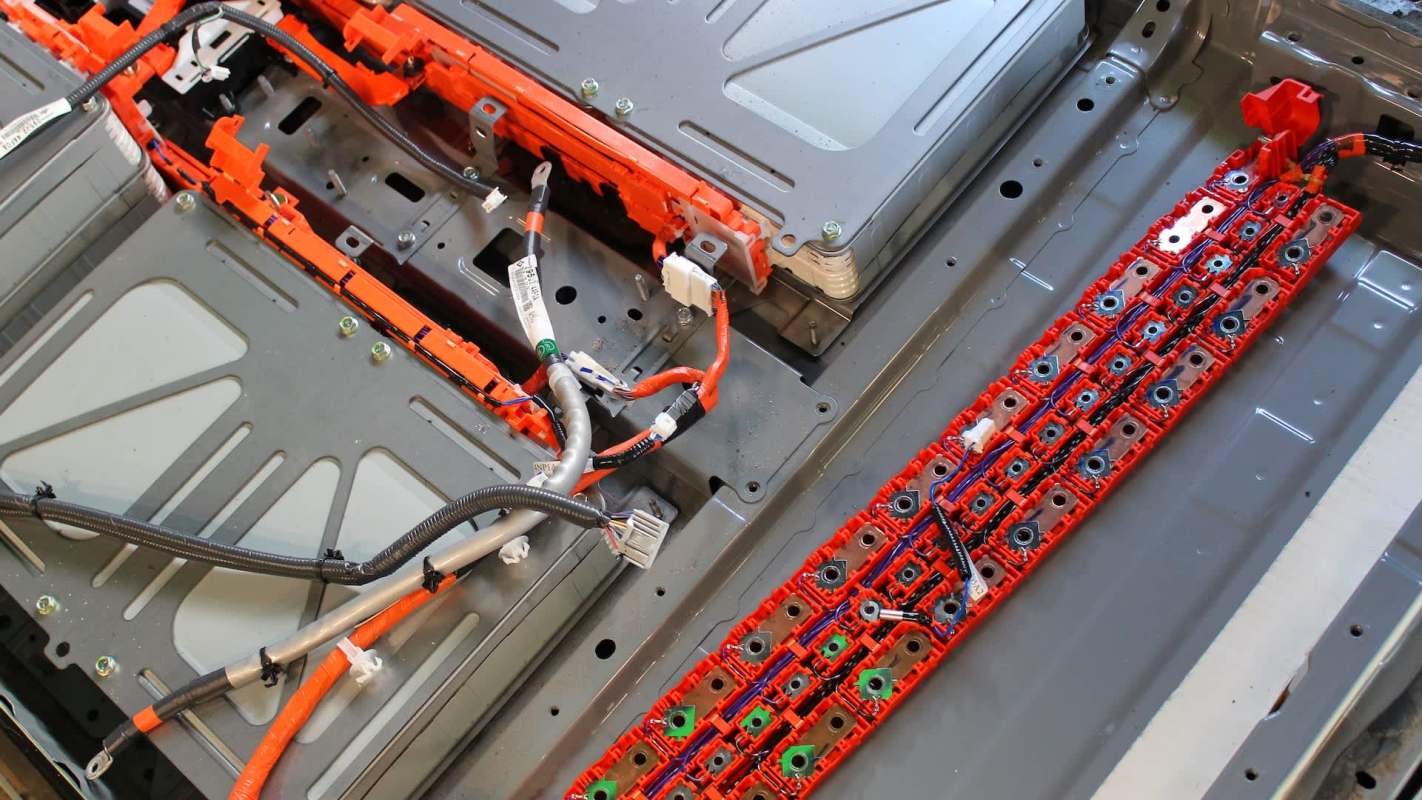
With a newly signed law, Colorado made automakers responsible for no-cost collection of retired electric vehicle and hybrid batteries and for recovering the materials inside them, becoming the first state to do that.
As Jessica Dunn of the Union of Concerned Scientists argued, the measure could set the table for an important nationwide movement.
What happened?
On June 3, Gov. Jared Polis signed a first-in-the-nation law that requires automakers to take responsibility for unwanted electric vehicle batteries and make sure those batteries are reused, repurposed, or recycled.
Along with that take-back requirement, Dunn noted the legislation created mineral recovery standards and rules for reporting, labeling, and access to battery health information.
The policy uses an extended producer responsibility framework, so carmakers remain responsible for the batteries they sell after those batteries reach the end of their useful lifespans. Auto dismantlers, mechanics, and scrap yards can manage reuse or recycling themselves or have the automaker collect the batteries for free.
Beginning in 2031, recyclers must recover 90% of nickel and cobalt and 50% of lithium, and the lithium requirement increases to 80% in 2036. Dunn revealed that the standard effectively shuts out smelting, which is a high-pollution recycling approach with weak recovery rates.
TCD Picks » Quince Spotlight
💡These best-sellers from Quince deliver affordable, sustainable luxury for all




Why does it matter?
Electric vehicles already cut pollution from tailpipes. But making batteries still depends on mining and energy-intensive supply chains.
The law is designed to reduce waste, recover critical minerals, and make it less likely that damaged or unwanted batteries end up sitting in storage yards or disposal sites, where they can create fire hazards.
It could also help strengthen domestic supplies of lithium, nickel, and cobalt, reducing demand for new mining projects. More robust recycling could make EV supply chains less vulnerable and may keep battery prices steady over time.
UCS research found that, if recycling grows alongside other strategies, the United States could meet about half of future EV battery lithium demand with recycled domestic material by 2050.
What's being done?
Dunn said Colorado's example could be one that numerous states replicate. There are six others that have failed to pass a bill like Colorado's after attempts to do so.
For their part, industry stakeholders such as the Alliance for Automotive Innovation are backing the efforts.
"By encouraging domestic reuse and recycling of EV batteries, we can create a more resilient local critical mineral supply chain that supports the automotive industrial base and American economic security," Nick Steingart said in a statement.
For Dunn, Colorado's move is just the first domino in an important moment for EV battery recycling.
"The time is ripe for this policy to be adopted by other states to create alignment and stability within the market," she concluded.

Get TCD's free newsletters for easy tips, smart advice, and a chance to earn $5,000 toward home upgrades. To see more stories like this one, change your Google preferences here.






