


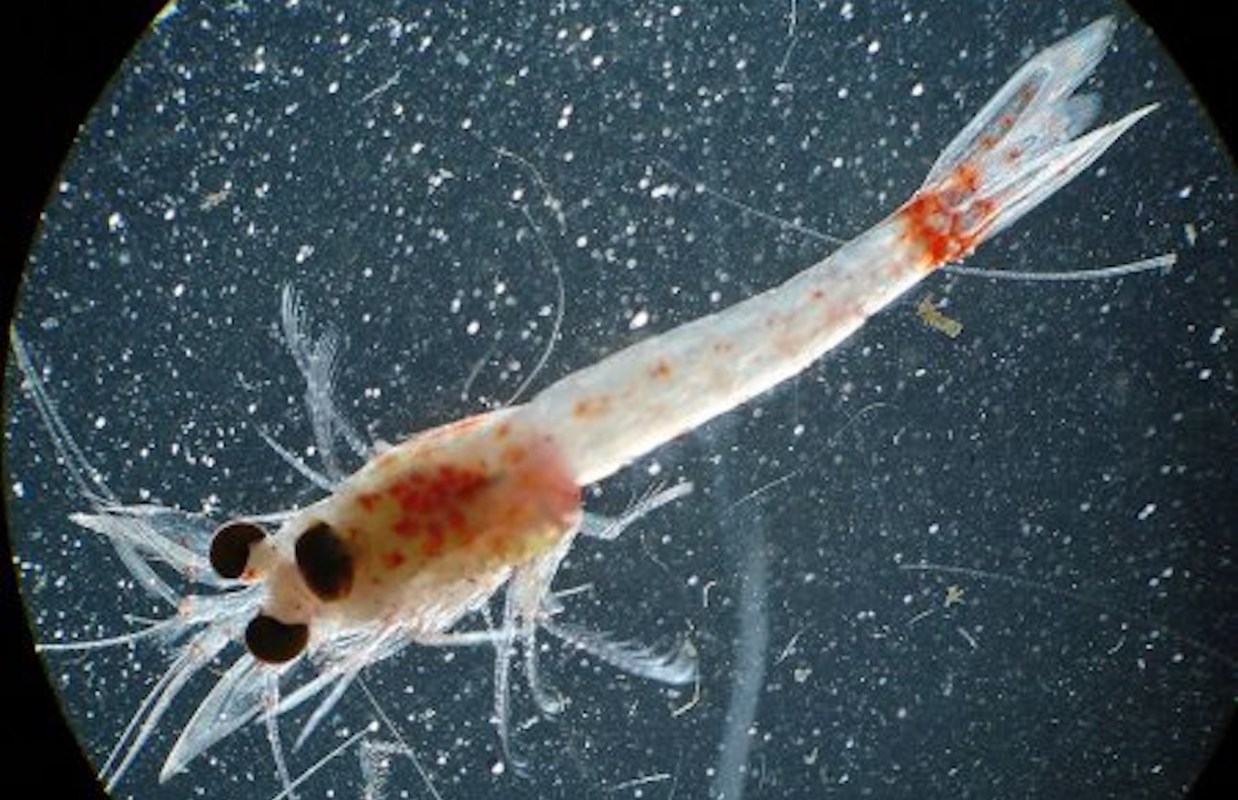
Researchers have now documented the presence of invasive bloody red shrimp in Lake Superior, making it the last of the five Great Lakes to host the species.
What scientists found in Duluth-Superior Harbor suggests this was not a one-off appearance, according to The Daily Mining Gazette.
The collection included adults, juveniles, and pregnant females, indicating the species could be hard to contain.
What happened?
The confirmation came from last summer's harbor sampling, when traps and nets turned up 81 bloody red shrimp at Wisconsin Point and Montreal Pier.
Researchers did not find any at Barkers Island, but the catches at the other two sites were enough to show Lake Superior is no longer the only Great Lake without an established population.
Before this survey, the harbor had produced just one known detection of the species, in 2017. The latest sampling provided much stronger evidence.
TCD Picks » Quince Spotlight
💡These best-sellers from Quince deliver affordable, sustainable luxury for all




"Lake Superior now becomes the fifth and final Great Lake in which it is considered established," the study said. "The delayed establishment in Lake Superior is notable and may reflect barriers such as colder temperatures and geographic isolation."
Lead author Donn Branstrator, who teaches biology at the University of Minnesota Duluth, said the team is now sampling at Montreal Pier every two weeks this summer and monitoring several other sites in the harbor for signs of spread.
Why does it matter?
The bloody red shrimp is small, but scientists say its arrival could reshape nearshore food webs that communities, fish, and wildlife all depend on.
The species is "broadly omnivorous, and the invasion's ecological consequences are uncertain. Based on its history of invasion across Europe, significant ecological impacts are possible," the study said.
Branstrator said it is "hard to predict with any detail. We don't yet have firm evidence of adverse consequences in the Great Lakes, but it presents a potential new pathway for nutrients and contaminants to move among species in the nearshore food webs."
If the shrimp moves into more waters, officials say there is not much that can be done to remove it.
What are people saying?
The Minnesota Department of Natural Resources said, "There is no known effective population control for bloody red shrimp in natural water bodies at this time."
The DNR added, "Since the bloody red shrimp has not established populations in many inland lakes, there is little information about its impacts to smaller lake systems. Therefore, the threat extent to Minnesota waters is currently unknown."
Michigan officials say they are not actively monitoring for bloody red shrimp.
Communications specialist Joanne Foreman said that it is because "the U.S. Fish & Wildlife Service has a Great Lakes Aquatic Invasive Species Early Detection Monitoring program."
For Branstrator and other scientists, Duluth-Superior Harbor has served as a gateway for invasive species before — and it may not be the last time.

Get TCD's free newsletters for easy tips, smart advice, and a chance to earn $5,000 toward home upgrades. To see more stories like this one, change your Google preferences here.






