


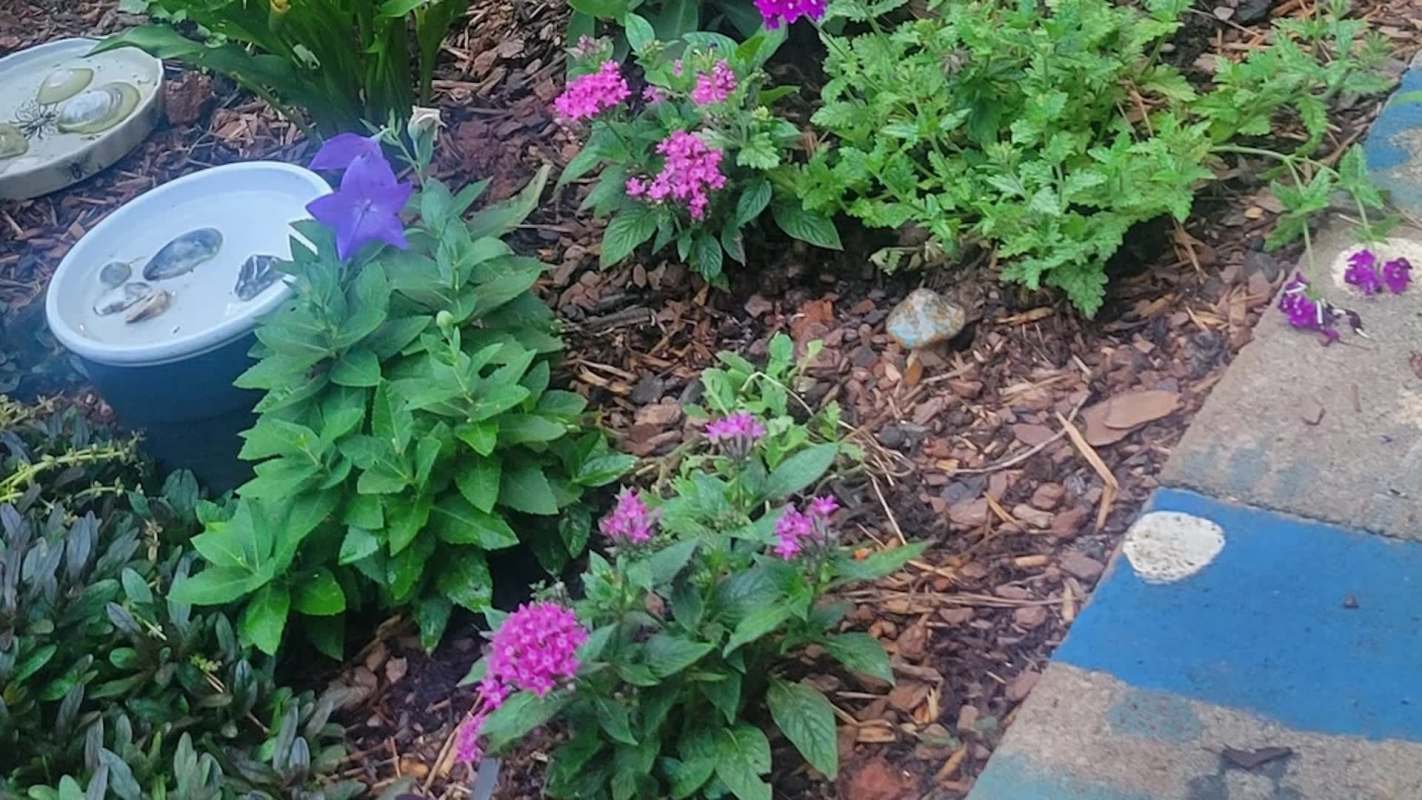
A Georgia gardener's colorful backyard is showing what can happen when patience meets the clearance rack.
What started with marked-down "half-dead" plants from Lowe's has grown into a lush, thriving space full of blooms and buzzing, hopping visitors.
What happened?
The Redditor, based in mid-Georgia, shared their handiwork to r/gardening.
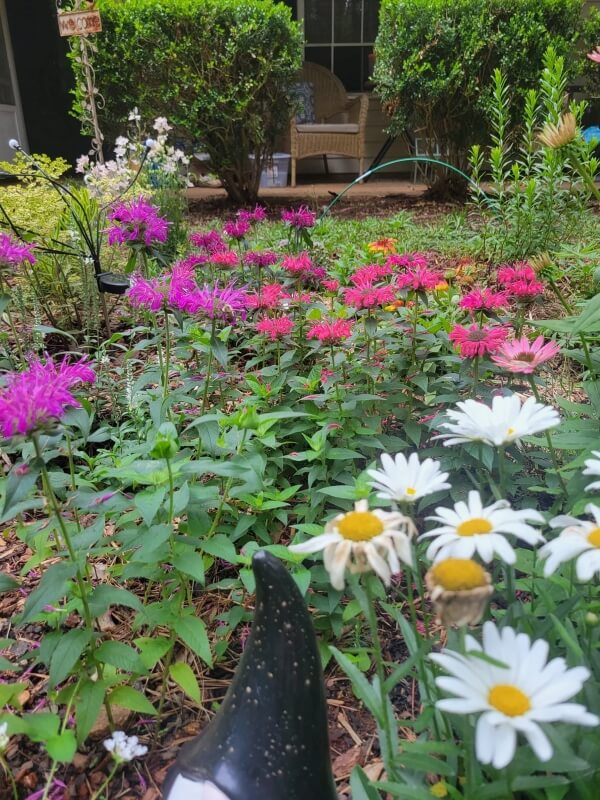
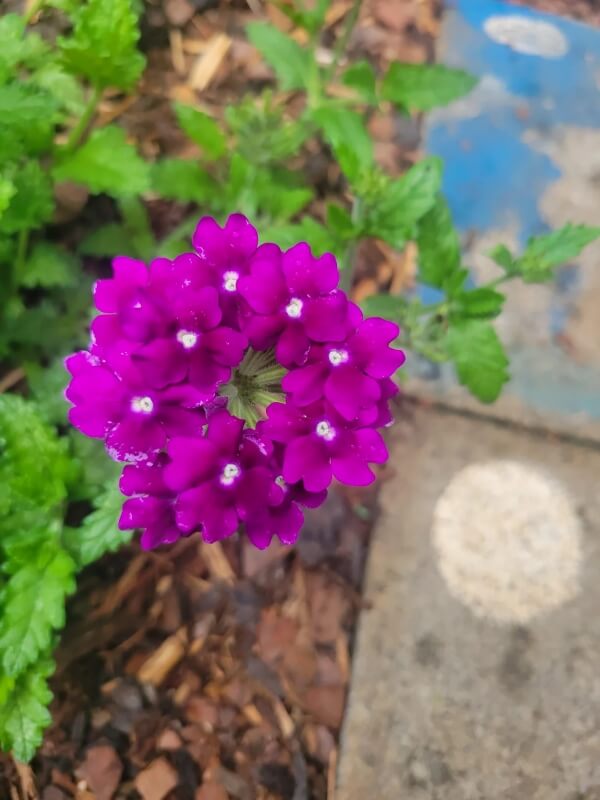
The pictures showed the results of several years of planting, including coneflowers, alliums, roses, lupines, bee balm, petunias, and more.
"Been slowly adding to my garden the last few years," they wrote in the caption. "Big thanks to Lowe's dead zone for helping me add to the garden without breaking the bank!
They clarified to an interested user that "Lowe's Dead Zone" is shorthand for the markdown area where distressed plants are sold at deep discounts and can often recover with some care.
TCD Picks » Quince Spotlight
💡These best-sellers from Quince deliver affordable, sustainable luxury for all




Echoing that strategy, one commented on how the strategy can be extra special.
"Finding a plant struggling on the clearance rack at Lowe's and successfully bringing it back to life is so incredibly rewarding," they said. "It just takes a little extra love, and watching them thrive after a rough start is purely satisfying!"
The original post pointed to another benefit of putting in these plants.
"Love seeing all of the bees and frogs that frequent my yard now," they added in their caption.
Why does it matter?
The garden's benefits go beyond appearance, given how the space supports pollinators. Flowering plants can give bees valuable support, and frogs can help reduce pest numbers, contributing to a healthier yard over time.
Native plants can save homeowners money and time on mowing, fertilizing, and upkeep while also lowering water bills. Even a partial lawn replacement can bring those benefits, especially in spots that are hard to maintain or rarely used.
Clover, buffalo grass, and xeriscaping are all lower-effort alternatives to conventional grass lawns, depending on the climate and the look a homeowner wants.
For many people, a mix of those choices can create a yard that is both practical and more welcoming to wildlife.
What can I do?
Starting with one bed, one border, or one problem patch can make a project more affordable and easier to manage.
Clearance plants like the OP used can be one entry point, but choosing species that fit your region is key.
Native plants are often especially useful because they are adapted to local conditions and may need less water and maintenance once established. Gardeners can also expect some trial and error.
"Every season in the garden rewrites the rulebook," a user wrote. "What crushed it last year might barely make it this time. The failures end up teaching more than the wins honestly."

Get TCD's free newsletters for easy tips, smart advice, and a chance to earn $5,000 toward home upgrades. To see more stories like this one, change your Google preferences here.






