


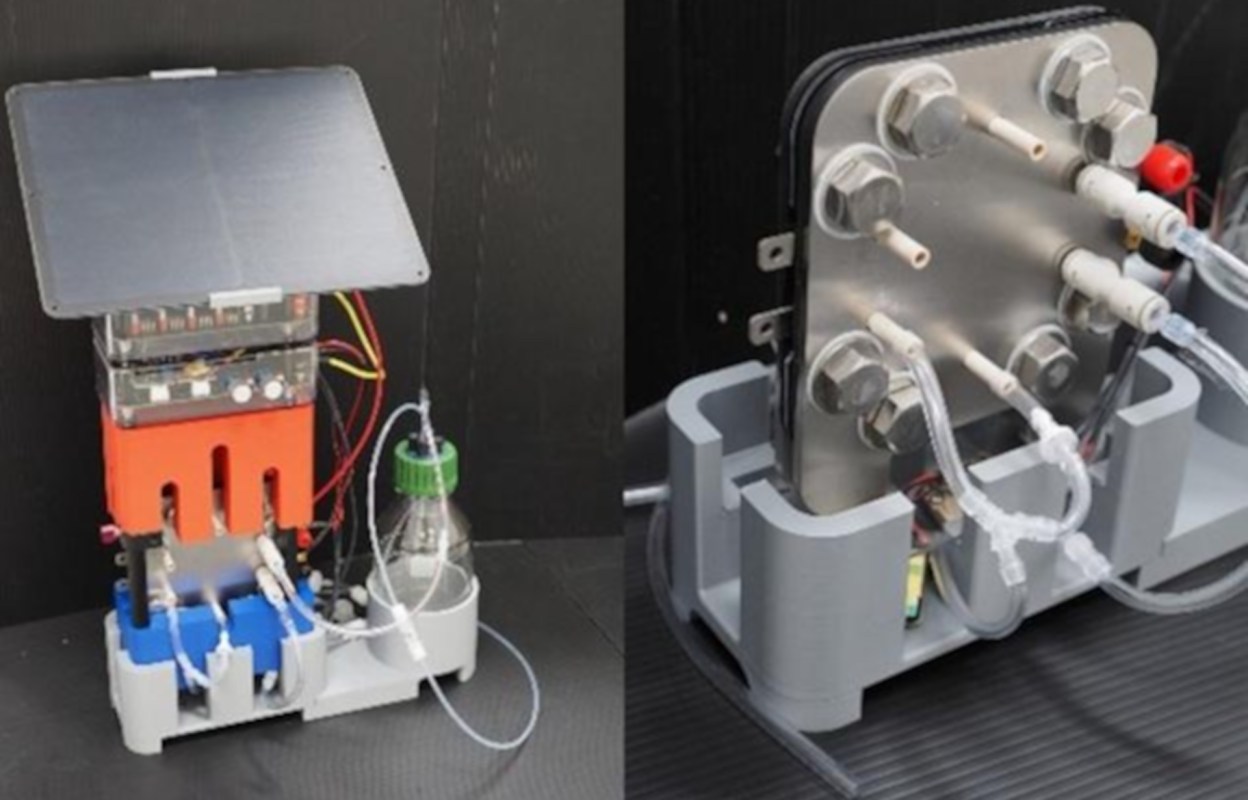
A battery-free control design is at the center of a new artificial photosynthesis system that researchers in Japan say could make solar fuel production both steadier and cheaper.
Rather than depending on separate equipment to manage changes in sunlight, the device is built to respond to those shifts by itself.
What's happening?
Researchers from Osaka Metropolitan University described an artificial photosynthesis setup that can keep fuel output more even as sunlight strengthens and weakens during the day.
Artificial photosynthesis is intended to mimic what plants do by using sunlight to convert water and carbon dioxide into energy-rich compounds. In this case, the output is formic acid, which can serve as both a fuel and a way to store energy.
A major challenge for these artificial systems is fluctuating sunshine. Many rely on Maximum Power Point Tracking, or MPPT, to continually adjust voltage and current so solar cells stay near their highest power output. Conventional MPPT systems often depend on batteries and extra electronics, which add cost and complexity.
Led by Associate Professor Yasuo Matsubara and Professor Yutaka Amao, the Osaka team changed the electrolyzer itself so regulation could happen inside the device, according to Science Daily. In outdoor testing, it kept producing formic acid from water and CO2 even as sunlight conditions changed.
TCD Picks » Quince Spotlight
💡These best-sellers from Quince deliver affordable, sustainable luxury for all




Why does it matter?
By removing batteries, converters, and similar support electronics from solar fuel setups, the development could make clean energy systems simpler and reduce upfront costs for cities, companies, and households using cleaner energy infrastructure.
It could also make it easier to turn variable sunlight into a storable fuel, with less need for added materials and equipment to deal with changing light levels.
A more practical artificial photosynthesis system could help reduce dependence on dirtier fuels while using water, carbon dioxide, and sunlight as inputs. Cleaner energy production can also mean less air pollution, which has been linked to respiratory and cardiovascular problems in communities around the world.
Improvements in energy storage and fuel production could also support a more resilient power system, one less vulnerable to price spikes and better equipped to serve homes and businesses with lower operating costs over time.
What's being done?
To enable the desired response, the researchers integrated a custom solid electrolyte into the device, allowing the electrolyzer to react on its own as sunlight changes. According to Science Daily, Professor Amao explained, "As sunlight increases, the electrolyzer naturally heats up. The system is designed so that this warming causes the electrical resistance to drop, allowing electricity to flow more freely."
Because that behavior is built into the system, it can regulate itself without battery-based controls. The technology is still in the research stage.
"We were confident that it would be successful," Matsubara said, per Science Daily.
Amao added, "This self-regulating behavior helps keep fuel production more stable throughout the day and automates the system, while reducing dependence on batteries and costly external components."

Get TCD's free newsletters for easy tips, smart advice, and a chance to earn $5,000 toward home upgrades. To see more stories like this one, change your Google preferences here.






