


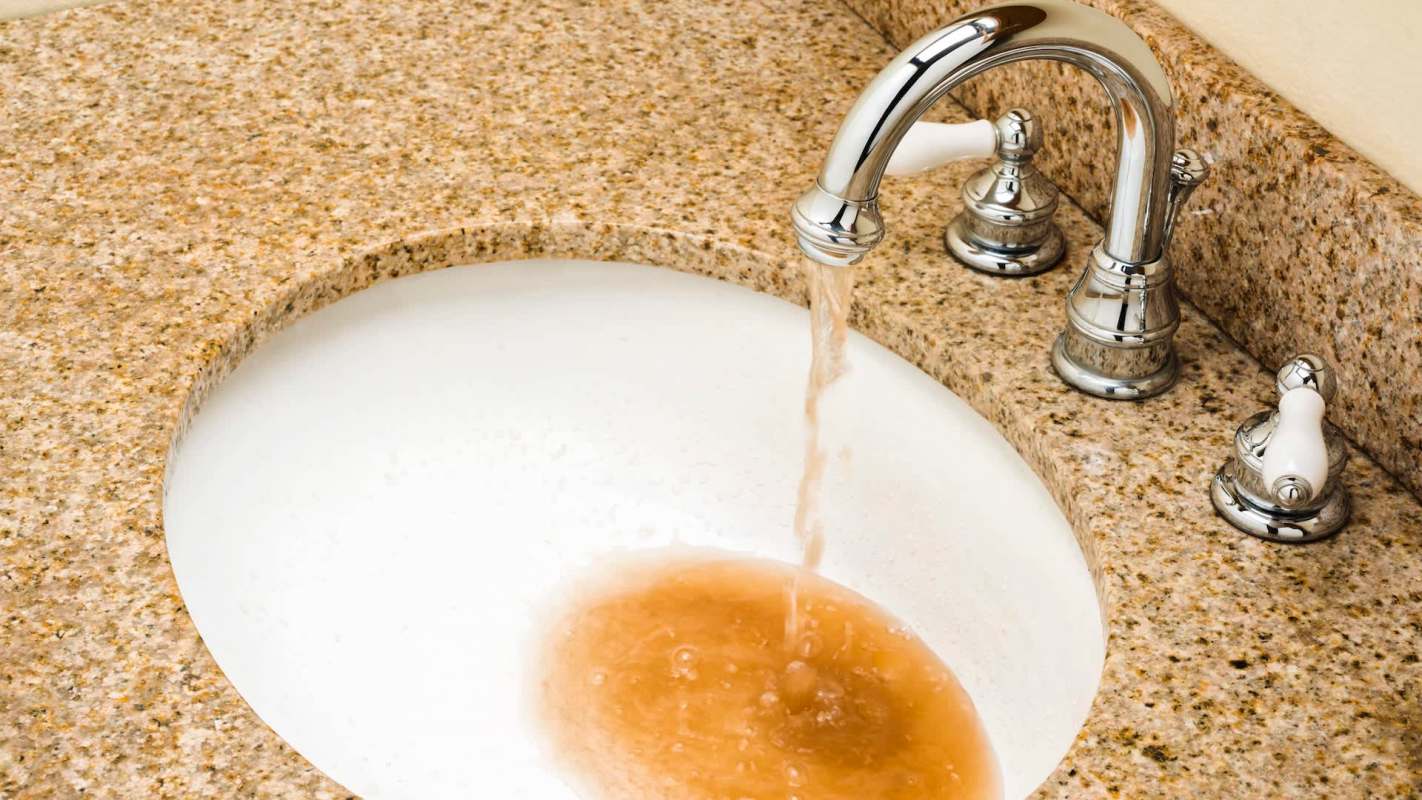
After putting nearly $800,000 into a replacement backup well and water tower, an Iowa town now has a new problem: The well is producing water that residents cannot safely drink.
What happened?
Princeton, Iowa, moved forward with the replacement after its earlier backup well was closed in 2009 because of years of nitrate violations, Inside Climate News reported. Problems with the new well appeared almost immediately. An oversized pump led to months of water-main breaks. Later, tests showed nitrate levels above the Environmental Protection Agency's legal limit.
The small town immediately shut the well down after testing in September 2024 found 12.1 milligrams of nitrate per liter, above the federal maximum of 10 milligrams per liter. Officials have said levels have stayed too high since then, reaching about 16 milligrams per liter in spring 2025.
With the backup well out of service, Princeton has had to depend on a single main well for about 350 households and businesses. Town leaders had earlier rejected a $2 million offer from American Water's local subsidiary to buy the system, partly because the company wanted upgrades that would have cost more than the purchase price.
Why does it matter?
Infants and pregnant people are especially vulnerable to nitrate contamination in drinking water. If officials cannot find and fix a crack in the well casing, the town could end up needing a reverse osmosis system costing more than $1 million, which it can't afford.
Water systems across Iowa are increasingly struggling to manage nitrate pollution, which is commonly tied to runoff from fertilizer and manure. Princeton has paid nearby landowners not to use fertilizer on about 25 acres around the well, but city officials say that step has done little to significantly lower contamination.
TCD Picks » Quince Spotlight
💡These best-sellers from Quince deliver affordable, sustainable luxury for all




The problem could lead to more borrowing, higher water bills, and less local control.
What are people saying?
Public works foreman Chris Rindler said: "We have 1,000 people that need water, potable water. And to not give them that reliable backup, well, I don't think that's an option."
Mayor Travis Volrath said the town's fertilizer restrictions have not been enough so far: "I would say the data shows that we haven't moved the needle much. It has gently trended down, but not far enough to matter."
Associate state geologist Ryan Clark said Princeton's contamination problem may extend far beyond one town or one field, saying nitrate pollution in the region is "a much bigger picture."

Get TCD's free newsletters for easy tips, smart advice, and a chance to earn $5,000 toward home upgrades. To see more stories like this one, change your Google preferences here.






