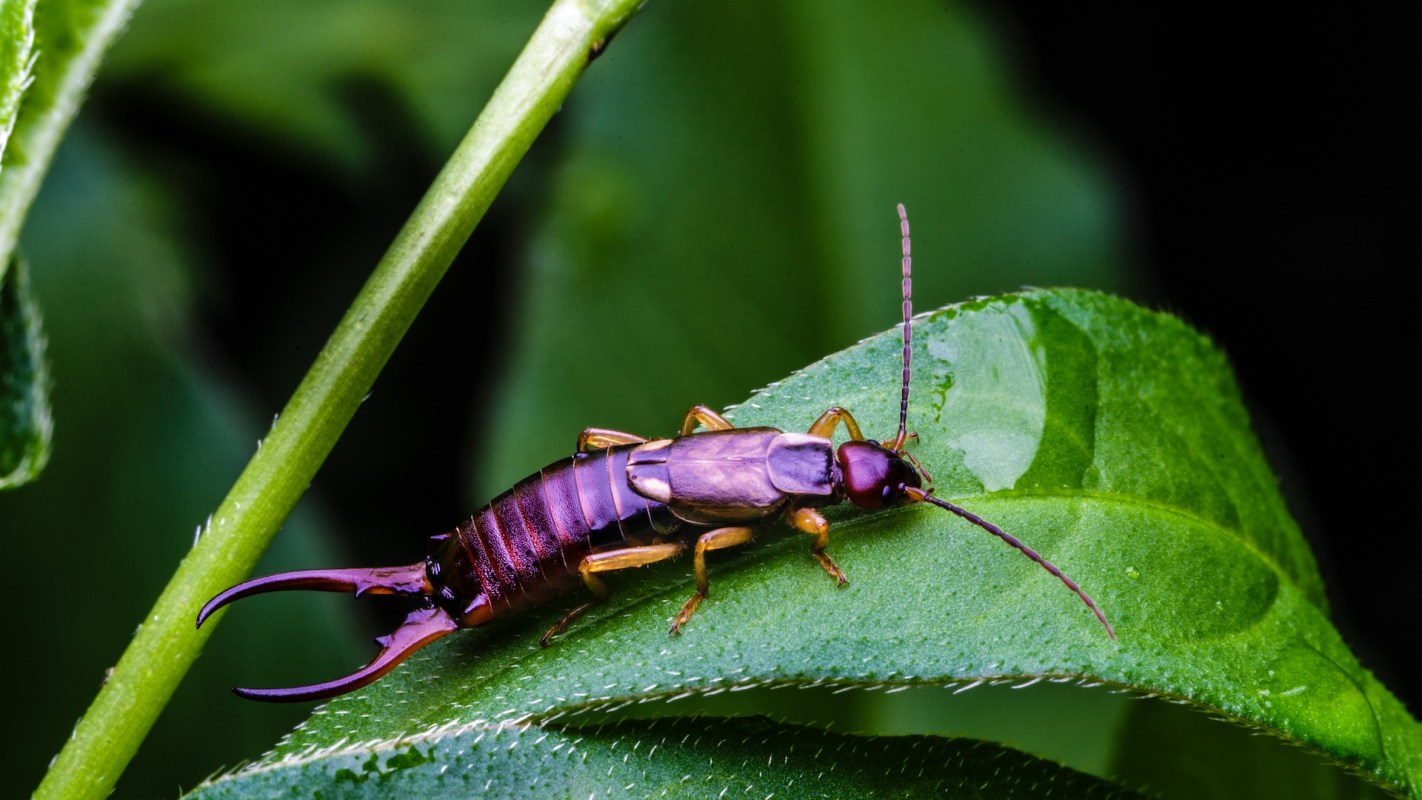
A home gardener's plea about an "earwig APOCALYPSE" is striking a chord with anyone who has watched a healthy vegetable patch get chewed up overnight.
According to the Reddit post, the infestation is beginning to spiral out of control, with traps catching hundreds at a time while both young seedlings and established plants are being damaged.
What happened?
Writing in Reddit's r/Permaculture forum, the gardener said this was the second year in a row that a plant-eating kind of earwig had exploded in the yard.
"They enjoy fresh seedling shoots most, so I can barely have ANY beans or basil, melons and cucumbers," the poster wrote. "I have oil and soy sauce mixture all over and this catches hundreds in night, several THOUSANDS have already been captured this year."
The poster said the problem goes beyond newly sprouted plants.
They said that earwigs are also attacking "the growth node on a mature plant," which means their peppers and other crops may look healthy until their fresh new growth is eaten off.
TCD Picks » Quince Spotlight
💡These best-sellers from Quince deliver affordable, sustainable luxury for all




The gardener also said that cutting back places for the insects to hide has made the space look like "a scraped plot of moon," all without solving the bigger problem: choosing between giving up most annual crops or sacrificing nearly everything else in the yard.
Why does it matter?
A severe pest problem can mean lost food, wasted money, and weeks or months of work undone.
Seedlings and growth nodes are especially vulnerable, so even a small insect that feeds at night can cause outsized damage when populations spike.
Less-diverse landscapes can make it harder for natural predator populations to keep pests in check.
While no yard change is a magic fix, replacing even part of a traditional lawn with native plants can help create habitat for birds, frogs, and beneficial insects while also saving money and time on mowing and maintenance and lowering water bills.
Options such as native plants, clover, buffalo grass, and xeriscaping can all reduce upkeep, and even a partial lawn replacement can bring those benefits.
What are people saying?
Many commenters steered the discussion toward natural predators and a more balanced backyard ecosystem instead of escalating to toxic chemical controls.
One person wrote: "Who eats them in your environment, and where would those critters want to live? The quick fix would be borrowing some hens from a friend for a couple weeks then returning them. The slow fix involves a lot of birdhouses and similar to invite the earwig-eating bits of nature into your yard more."
Another user commented: "We were overwhelmed with earwigs and slugs. Out most effective solution was the acquisition of chickens. They roost in the surrounding trees and spend the day gobbling up free range protein."
However, the original poster said that would be difficult in a small suburban backyard and added that bringing in a chicken would make "the whole moonscape takes on a nice prison yard look."
One more commenter offered a harsher reset: "Sometimes to break the cycle means to not plant. Take a break from the garden next year. Put down a cover crop and let it reset."

Get TCD's free newsletters for easy tips, smart advice, and a chance to earn $5,000 toward home upgrades. To see more stories like this one, change your Google preferences here.