


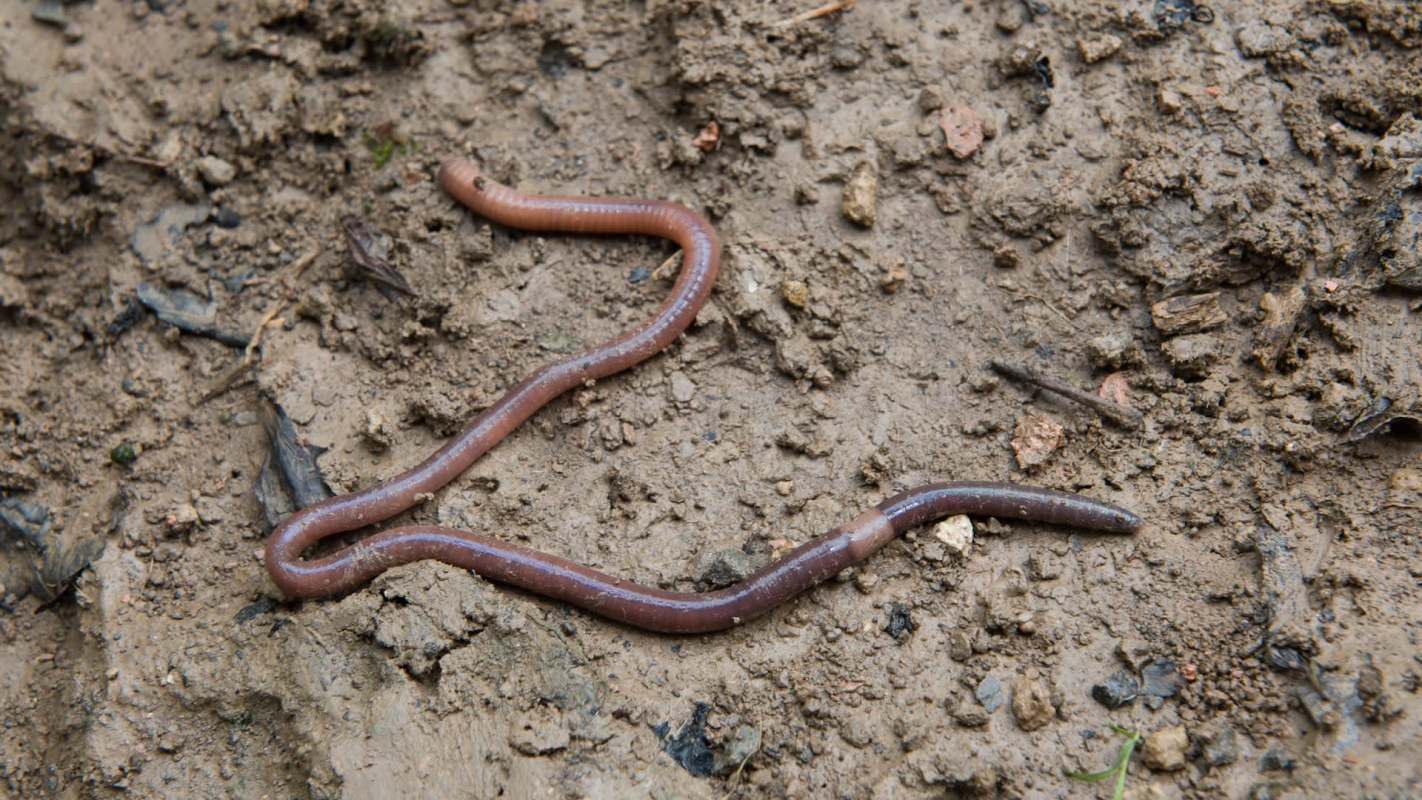
Colorado officials are warning residents about invasive and destructive pests colloquially known as "snake worms" or "crazy worms" as their range continues to expand westward.
Officials say these worms can strip soil of the organic matter that native plants and forests depend on, putting local ecosystems at risk.
What happened?
According to a report from Gizmodo, the Colorado Department of Agriculture is urging nurseries, landscapers, and landowners to watch for the worms, formally known as Asian jumping worms, after the species was detected in Colorado in October 2025.
Colorado ecosystems are now in the path of Asian jumping worms, an invasive species already established across much of the East, Midwest, and Northwest.
The pests spread easily because their cocoons are tiny and can survive the winter in soil, mulch, or on farming and landscaping equipment, Gizmodo noted.
Once they emerge in spring, they consume organic material much faster than other earthworms, leaving behind damaged soil that is less able to support wildflowers, native plants, and healthy forests.
TCD Picks » Quince Spotlight
💡These best-sellers from Quince deliver affordable, sustainable luxury for all




Their behavior can help distinguish them from native earthworms: when disturbed, jumping worms lash about violently. In 2022, Forest Service soils researcher Mac Callaham said the worms "can flip themselves a foot off the ground," as reported by Gizmodo.
Why does it matter?
Healthy soil helps communities grow food, support trees, reduce erosion, and better withstand heat and drought. When jumping worms tear through that top layer of organic matter, they weaken the ecosystems that people rely on every day.
Colorado officials have warned that the worms could worsen drought impacts in an already dry state. Their feeding depletes nutrients, increases erosion, and creates openings for other invasive plants to take hold.
They also outcompete other worms that help keep soil healthy by burrowing and allowing air and water to move through the soil.
The invasion is a setback for efforts to build more resilient landscapes and communities. In a future shaped by more extreme weather, losing soil quality means losing one of nature's most important defenses.
What are people saying?
State officials are emphasizing prevention because there is no reliable way to eliminate the worms once they spread.
"Preventing any spread of the jumping worm in Colorado is critical to protecting our state's healthy soil and native plants," Wondirad Gebru, director of the Plants Division at the Colorado Department of Agriculture, said in the agency's statement.

Get TCD's free newsletters for easy tips, smart advice, and a chance to earn $5,000 toward home upgrades. To see more stories like this one, change your Google preferences here.






