


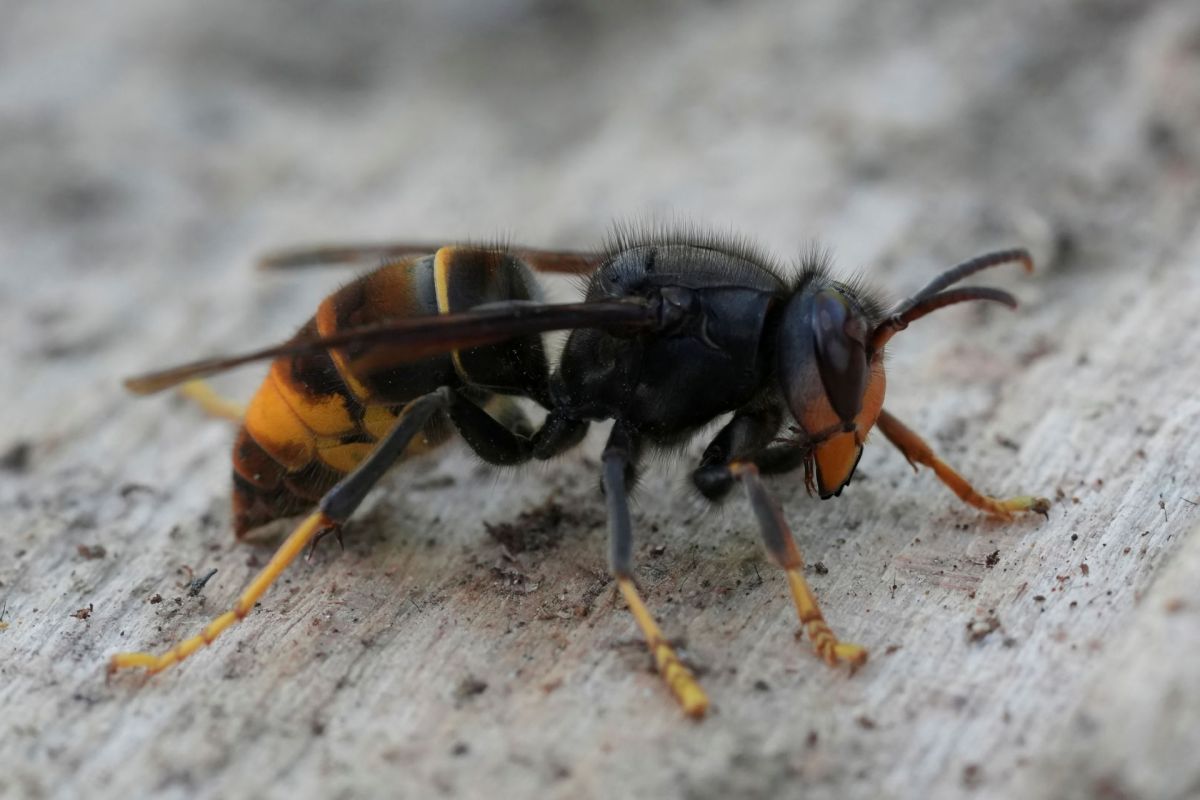
Georgia authorities have asked residents to pay close attention to an invasive hornet that could endanger local bees — and, in turn, the farms and gardens that depend on them. As temperatures rise and nest-building season begins, officials are placing special emphasis on several counties.
What's happening?
Queens typically emerge in spring and start new colonies, so in March, officials called on residents in Bryan, Bulloch, Chatham, Effingham, Liberty, and Screven counties to be especially watchful for yellow-legged hornet nests, according to CBS News.
Georgia's concern about the insect dates back to 2023, when a beekeeper first reported it in the state. It was also the first time it was spotted in the U.S. Since that discovery, the Georgia Department of Agriculture has been working to locate and trap the invasive species.
Officials have said primary nests are most often found from April through June. Stopping a colony before it expands can help head off much larger problems later in the season. Their nests are papery, built above ground, and often found in trees, with a shape that is typically egg-like. Over time, a single nest can grow to hold as many as 6,000 worker hornets.
"As in previous years, we are asking for the public's continued help," said Georgia Agriculture Commissioner Tyler J Harper. "Early reporting of embryo and primary nests is critical — it allows us to stop queens before they spread and reduces potential damage to our state's honeybee population. This is especially important for residents of Coastal Georgia."
Why does it matter?
The main concern is the damage these hornets can do to honeybees and other pollinators. Those species are important to crops, backyard gardens, and local ecosystems, so when their numbers drop, the consequences can reach beekeepers, farmers, and the wider agricultural economy.
TCD Picks » Quince Spotlight
💡These best-sellers from Quince deliver affordable, sustainable luxury for all




That risk is especially significant in Georgia, where agriculture is a major part of the state's economy and identity. A loss of pollinators could create added strain on both food production and farm income. Protecting pollinators can help preserve biodiversity and strengthen local food systems. Even relatively small declines in bee populations can have far-reaching effects.
What can I do?
If you live in one of the affected counties — or nearby — officials have called on residents to look out for unusual paper-like nests above ground.
If you believe you have found a yellow-legged hornet nest, report it to the Georgia Department of Agriculture's Plant Protection team at yellow.legged.hornet@agr.georgia.gov. Early reporting can help experts eliminate nests before they mature and spread.
Beyond reporting sightings, supporting pollinators in your own yard can still make a difference. Adding native plants to your yard and reducing unnecessary pesticide use can create more bee-friendly spaces, which can help native pollinators stay strong.

Get TCD's free newsletters for easy tips, smart advice, and a chance to earn $5,000 toward home upgrades. To see more stories like this one, change your Google preferences here.






