


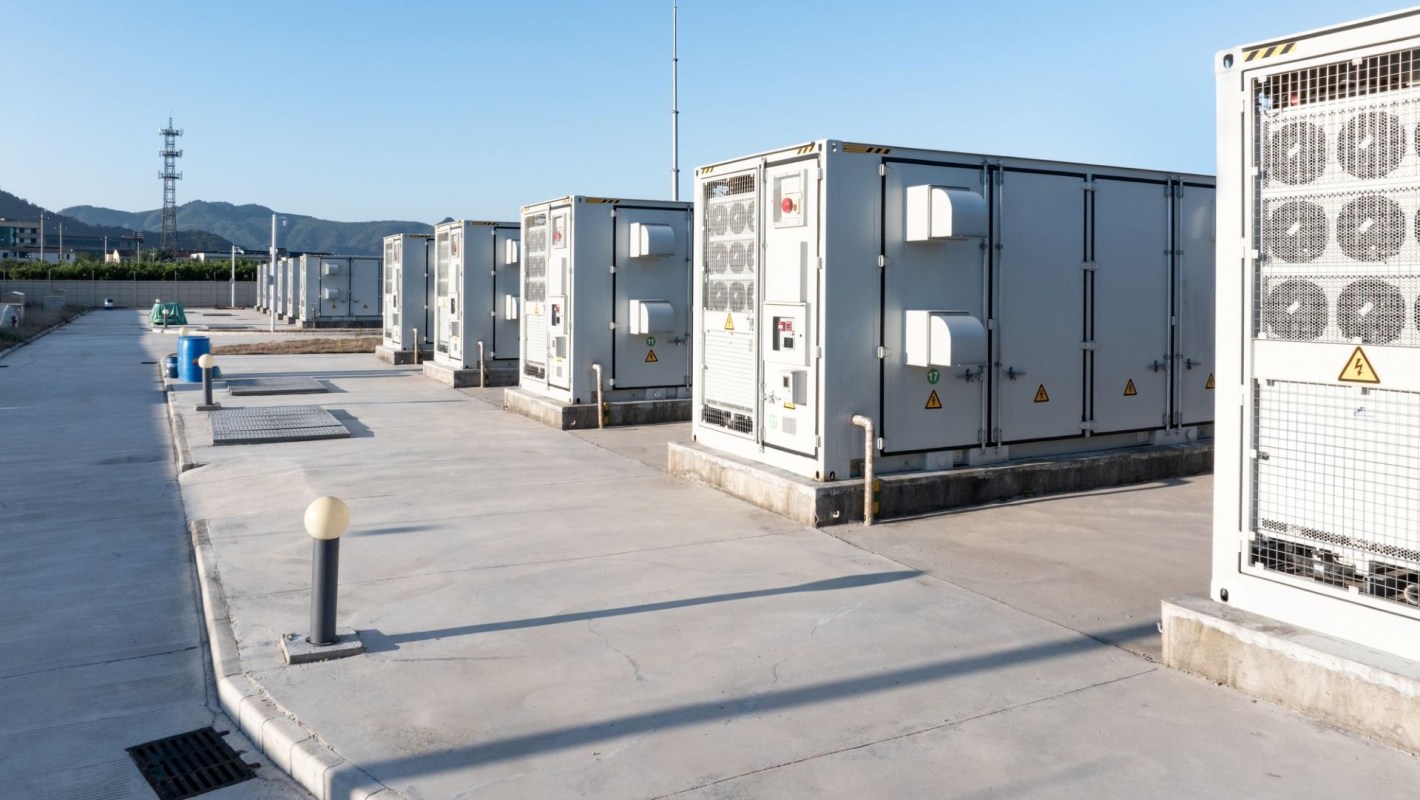
California has brought a new battery facility online in Kern County, adding a project that may reduce the need for fossil-fueled peaker plants.
As Canary Media reports, the Tumbleweed site can discharge electricity to the grid for up to 8 hours per cycle, roughly twice the duration offered by most large battery installations.
What happened?
According to Canary Media, Tumbleweed is the first large U.S. battery project at this scale that can provide eight hours of discharge. In practice, that allows lower-cost solar electricity generated during the day to be stored and used for a longer period after sunset by homes and businesses.
Rev Renewables told Canary Media that it built Tumbleweed in two phases and that the project provides 125 megawatts of capacity. For California planners, longer-lasting batteries are a key part of making the grid both cleaner and more dependable.
To upgrade the site from a four-hour battery to an eight-hour one, the company's storage department leader Cody Hill said Rev "literally doubled the number of battery boxes on the site," in an interview with Canary Media.
"Technology-wise, the differences are pretty trivial," he added to the outlet.
Why does it matter?
A big share of California's solar electricity arrives during daylight hours, but the harder task is holding onto that power long enough to serve the evening period, when people get home, use more devices, and crank up the air conditioning.
Batteries with longer discharge times could meet that need and reduce reliance on the costly, polluting peaker plants that are usually called in during demand surges.
Save $10,000 on solar panels without even sharing your phone number Want to go solar but not sure who to trust? EnergySage has your back with free and transparent quotes from fully vetted providers in your area. To get started, just answer a few questions about your home — no phone number required. Within a day or two, EnergySage will email you the best options for your needs, and their expert advisers can help you compare quotes and pick a winner. Solar panels can save you more than $50k over their 25-year lifespan, and EnergySage can help you save as much as $10k on installation. Which begs the question — isn't that worth an email or two? |

The technology can strengthen grid reliability, reduce pollution from fossil-fuel plants, and potentially lower costs by storing cheaper renewable electricity for later use.
As Canary Media noted, right now, the hours when batteries don't serve are met by a limited amount of fossil fuels alongside alternative sources like wind, nuclear, geothermal, and hydropower.
The state wants a zero-carbon power system by 2045, and installations such as Tumbleweed may help address a persistent problem for the grid: supplying electricity during the overnight stretch after the sun goes down.
What are people saying?
"This was one of our first eight-hour contracts in the country for batteries, and now it's one of the first projects online, and it's a complex deal with a bunch of members coming together." Alex Morris, general manager of California Community Power, told Canary Media.
He added to the outlet that the project "is designed to be part of the clean energy mix, helping capture the solar and discharge that later when they need it."
Hill emphasized that the project is fueled by a desire to be ahead of the curve on energy storage, for when California needs longer deployment times to meet grid market needs.
"This is proactive and not driven by the short-term energy markets," he concluded to Canary Media.

Get TCD's free newsletters for easy tips, smart advice, and a chance to earn $5,000 toward home upgrades. To see more stories like this one, change your Google preferences here.






