


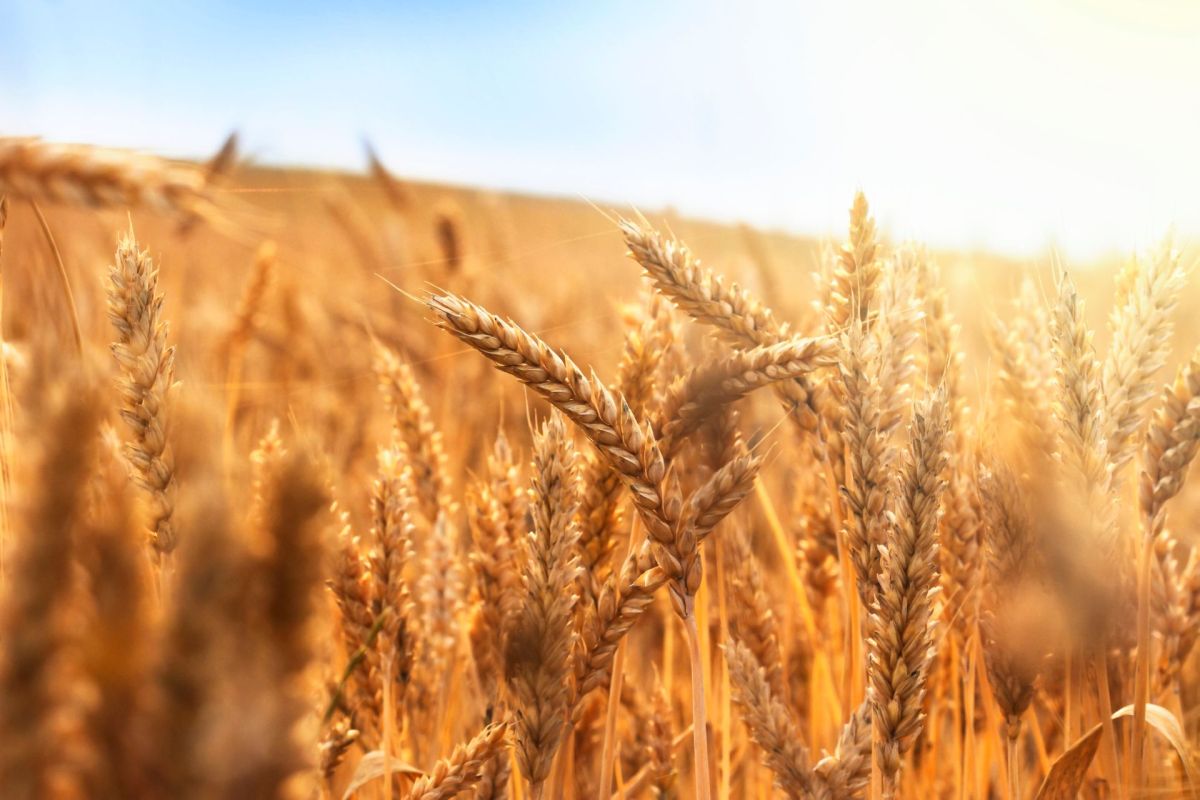
A new French study puts a striking number on the promise of regenerative farming. The practice could deliver enough drought-saved wheat to make roughly 130 million baguettes, as Euronews reported.
The finding adds a concrete figure to a broader debate over soil health, food security, and farm resilience.
What happened?
Euronews revealed that the dataset, compiled by Soil Capital and Belgium's KU Leuven University, covers 1,262 French farms, 331,600 hectares, and the period from 2021 to 2024, with the numbers independently verified.
Across France's 2023 droughts, farms with the strongest regenerative profiles saw much smaller yield declines than those with the weakest, Euronews noted.
Yields fell 8% on the most regenerative farms, versus 22% on the least regenerative ones, per the study. In drought-hit cereal-growing regions, regenerative methods cut yield losses by at least 10% in roughly 85% of cases, the report added.
Put another way, Soil Capital says that in a similar drought, nationwide use of the strongest regenerative practices could leave a standard industrial flour mill with about 17 extra weeks of wheat, and all the aforementioned baguettes.
TCD Picks » Quince Spotlight
💡These best-sellers from Quince deliver affordable, sustainable luxury for all




Why does it matter?
It points to a way to make food supplies more stable as hotter, drier weather puts increasing pressure on harvests.
When drought wipes out crops, the effects can ripple outward through tighter supply, higher prices, and greater economic strain for farming communities.
A key part of the case for regenerative farming is water retention. By using practices such as cover crops, crop rotation, and reduced tillage to rebuild soil health, farms may give crops a better chance of getting through dry spells.
Euronews reported that the French agricultural research institute INRAE found that soils under regenerative management retained 8% to 15% more water than conventionally tilled soils, while producing more biomass with the same amount of water.
"Soil's role in providing almost all our food calories, regulating water supplies, supporting biodiversity, and helping stabilize the global climate is widely overlooked and frequently undervalued," The UN Convention to Combat Desertification stated, per Euronews.
Meanwhile, the findings come as climate-fueled drought worsens. The UN's January 2026 Global Water Bankruptcy report estimated annual global drought damages at over $307 billion and concluded that the world is now in an era of "global water bankruptcy."
What are people saying?
The study's academic partner, Professor Erik Mathijs of KU Leuven, told Euronews the data helps answer a long-standing question about whether regenerative methods can work at scale.
"What has held us all back is the lack of robust field-level data across large geographies and multiple successive years," Mathijs declared to the outlet. "Soil Capital's dataset is unusually strong in this regard."

Get TCD's free newsletters for easy tips, smart advice, and a chance to earn $5,000 toward home upgrades. To see more stories like this one, change your Google preferences here.






