


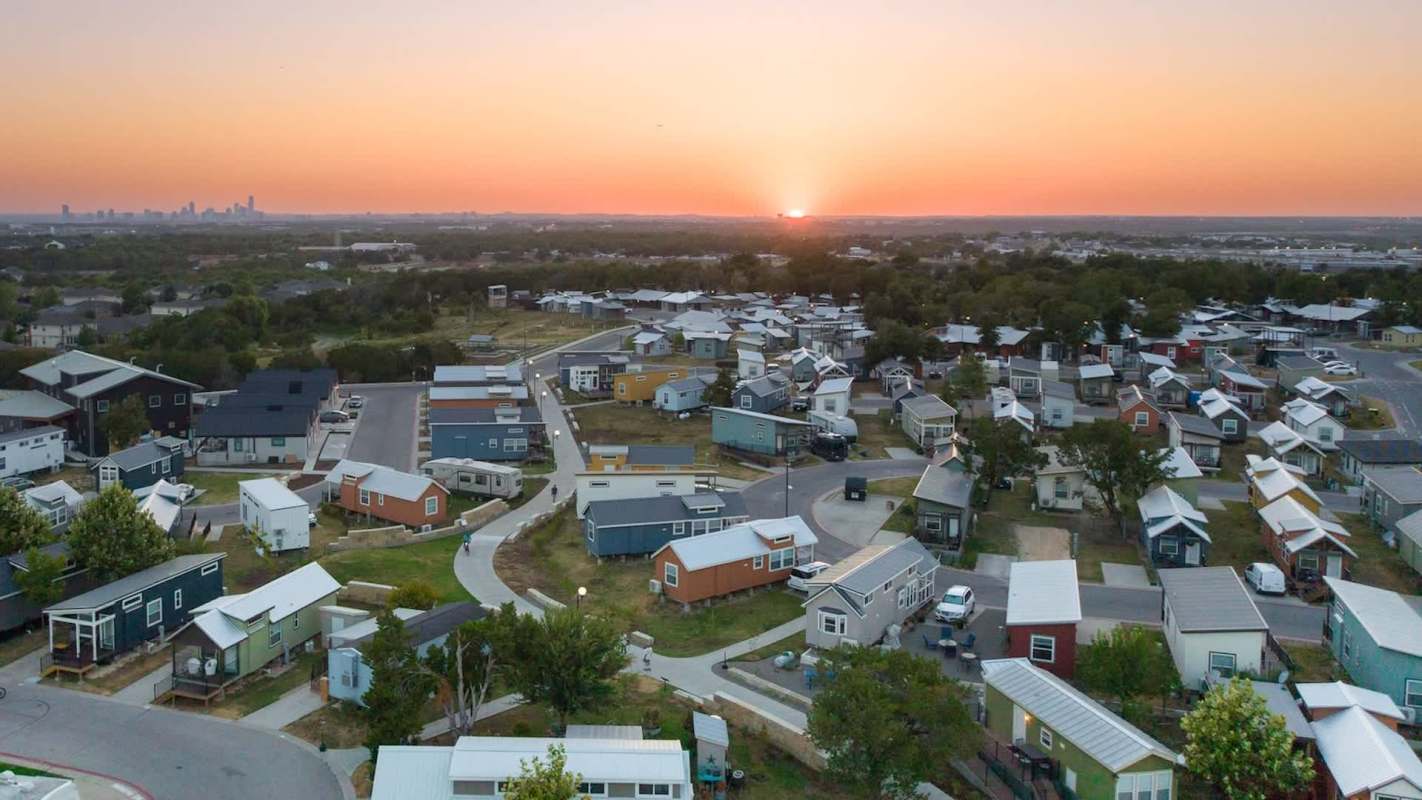
As more cities consider tiny-home projects as a response to chronic homelessness, an Austin community that helped popularize the model is back in the spotlight — along with its founder's account of how neighborhood support can sour.
For some residents, though, the appeal is much simpler: an affordable place to live and a strong sense of community.
What happened?
WFYI reported that in Austin, Blair Racine has spent eight years living in a 399-square-foot home with a porch, bedroom, bathroom, kitchen, and living/dining space. Before that, he had experienced homelessness.
Now, Racine says the village works because it offers more than just a roof overhead.
"It's about building community. That's just so important," he said.
Opened in 2015, "Community First! Villages" in Austin became one of the best-known examples of the tiny-home approach. WFYI reported that the property now houses more than 400 people and is working toward a capacity of more than 1,900.
TCD Picks » Quince Spotlight
💡These best-sellers from Quince deliver affordable, sustainable luxury for all




According to WFYI, residents pay roughly $350 to $550 in monthly rent, and the village also offers amenities and services including a community center, art space, garden, cemetery, amphitheater, medical care, jobs, and other wraparound support.
Founder Alan Graham told WFYI the village keeps about 85% of its residents, but he said the idea met fierce resistance from neighbors when he initially sought to develop it inside Austin city limits.
"Law enforcement had to be called and we had to be escorted out of there because we were being assaulted and spit on," Graham said. The organization ended up purchasing land outside city limits to avoid the zoning requirements conflict with the local community.
Why does it matter?
WFYI reported that tiny home communities are often promoted as a housing-first alternative to older, less successful systems that require sobriety, mental health stability, or employment as prerequisites for permanent housing.
The benefits of these tiny home communities include lower rent, privacy, stability, and easier access to care and support.
In Indianapolis, WFYI reported, Sanctuary Indy is trying the same concept with Circle City Villages. The group began construction in March on a 16-home site built around a shared community center and garden, and 10 prospective residents are living in a hotel until the project is complete.
What are people saying?
Racine said that the feeling of community connection remains central to long-term stability.
"The most important thing out here is be involved and have people go do things," he said.
Pastor Ben Wakefield, whose church is hosting the Indianapolis project, acknowledged some pushback but said the community response has also been encouraging.
"Overall, what I was really impressed with was how many people were really excited about it," Wakefield said.

Get TCD's free newsletters for easy tips, smart advice, and a chance to earn $5,000 toward home upgrades. To see more stories like this one, change your Google preferences here.






