


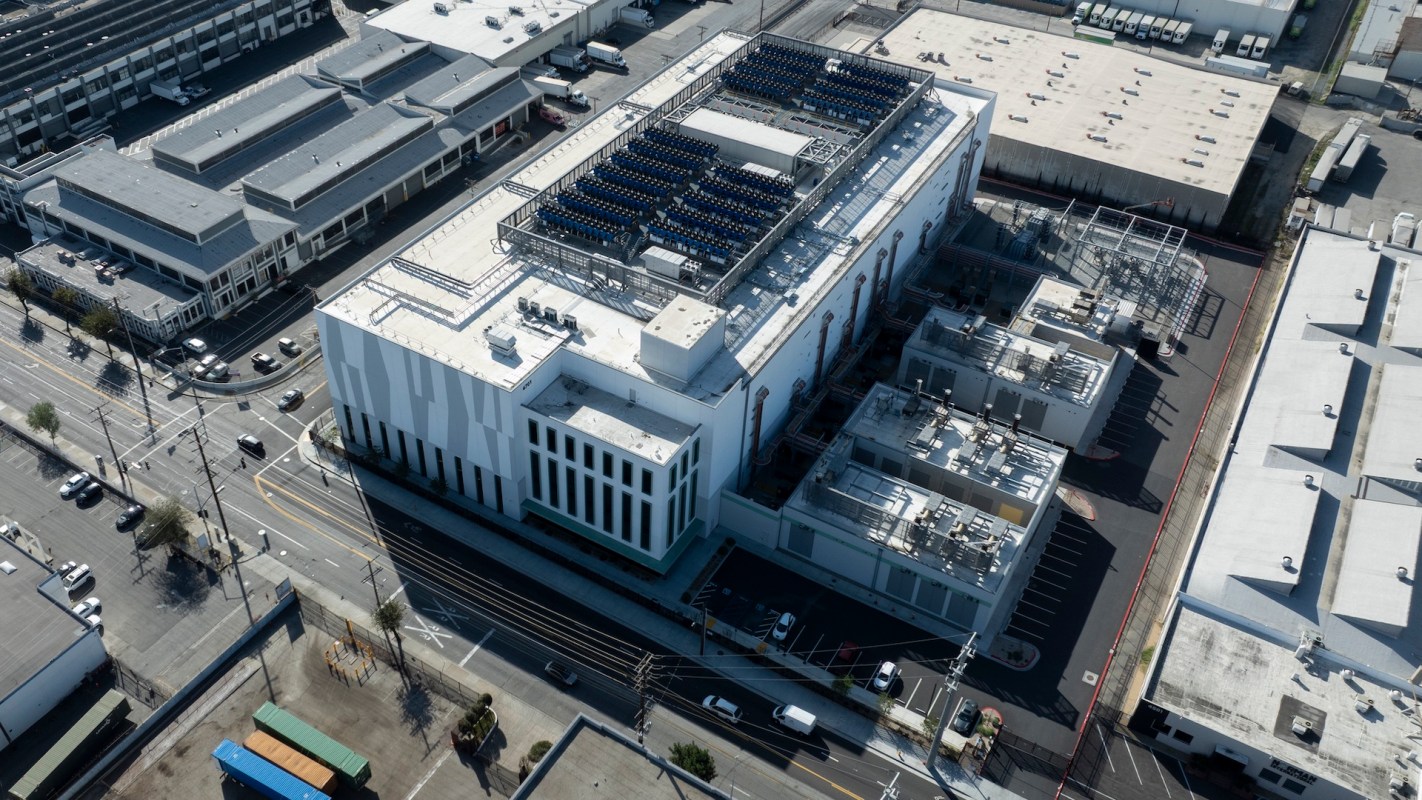
A legal fight over a proposed AI data center in Alabama has entered a new stage, as neighbors challenging the project have expanded their lawsuit and scrutinized the way the site was bought and sold.
In the updated case, the residents said the Birmingham property moved rapidly through related entities and that its stated value swelled from about $20 million to roughly $90 million in around 25 hours.
What happened?
Madelyn Greene and David Butler have revised a class-action lawsuit over the planned 300-megawatt "AI factory" in Oxmoor Valley.
As WBRC reported, they initially argued that Birmingham failed to follow its own zoning rules. Now, they have also alleged that a network of companies used quick successive land transfers to make the project appear to carry a much larger investment.
The amended complaint claims Regions Bank and U.S. Steel collected about $20 million combined for the land. It further alleges that a Nebius-linked entity paid about $90 million for the same four parcels after what the lawsuit called an "acquisition cascade."
WBRC reported that the amended filing added Raeden RE, 201 Milan Birmingham, and Lakeshore Data Center as defendants, alleging that those companies briefly owned the property before reselling it at much higher prices.
TCD Picks » Quince Spotlight
💡These best-sellers from Quince deliver affordable, sustainable luxury for all




For the main parcel, the suit said the former Regions property sold for $17.2 million, was resold 16 minutes later for $27 million, and was then included in a final transaction that valued that parcel at about $83.5 million. Property records support the sequence of deals tied to that address.
Why does it matter?
Developers and public officials have pointed to the project's price tag as evidence of a major economic opportunity.
Neighbors, however, have argued that much of the supposed investment reflected internal markup rather than spending that improved the property or benefited the surrounding community. They are asking a judge to halt construction, void permits, and allow nearby homeowners to pursue damages tied to noise, light, dust, and declining property values.
The lawsuit also kept the zoning dispute at the center of the case. Plaintiffs argued that tearing down the old Regions building eliminated any claimed grandfathered office-use rights, meaning a large data center, substation, and switching station should have gone through a more extensive public approval process.
They also contended that later permits should not remain in place after related special-exception requests were turned down by the zoning board and after the city enacted a temporary moratorium on new large data centers.
The dispute reflects growing concerns surrounding AI-related infrastructure projects, which are increasingly linked to the electric grid because of their massive computing needs. While such projects can offer benefits, including AI tools that help optimize clean energy systems and improve efficiency, they also raise questions about electricity demand, water use, security, misuse, and the possibility of higher utility costs for residents.
In the amended complaint, the plaintiffs argued that much of the claimed "investment" was not genuine outside spending but instead "intra-cascade markup." They also alleged that Hoar Construction and Lakeshore Data Center were "commonly controlled" components of the same development plan.
Residents have expressed concern about how their homes and day-to-day lives could be affected if the 300-megawatt facility moves forward.
Nebius has said that the project could generate roughly $80 million a year in economic impact and has promised "noise-reduction technology, minimal water use and no impact to residents' electric bills."
The city has said it does not comment on pending litigation, and a hearing date on the renewed request for an injunction had not yet been set.

Get TCD's free newsletters for easy tips, smart advice, and a chance to earn $5,000 toward home upgrades. To see more stories like this one, change your Google preferences here.






