Viral misinformation nearly knocked a food-waste startup off track just as it was being hailed as a promising way to keep produce from spoiling.
Its basic premise was simple: extend the life of fruits and vegetables so less ends up discarded, according to Fast Company.
That message later collided with a wave of online fearmongering, much of it spread by wellness influencers.
What happened?
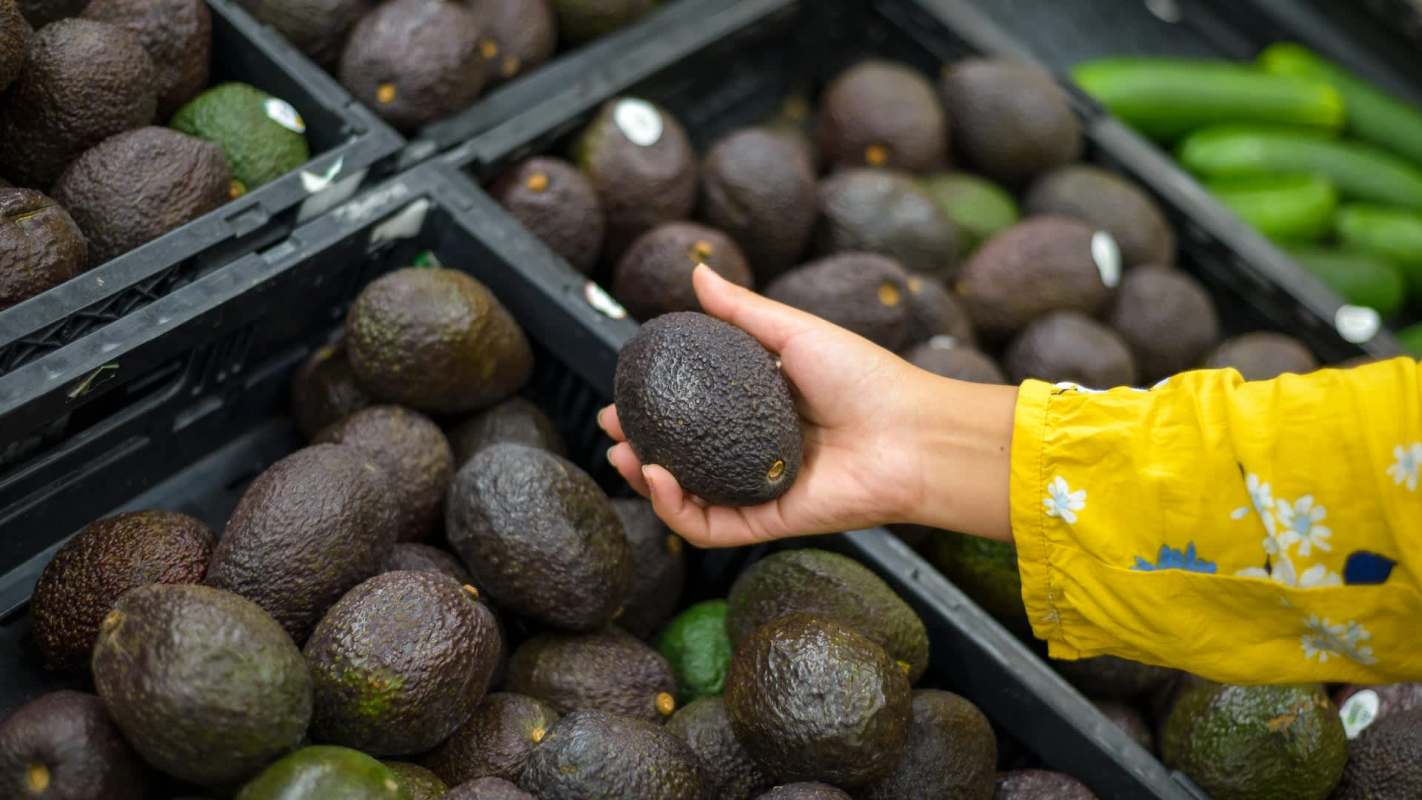
Shoppers across the U.S. increasingly saw the Apeel name on stickers attached to avocados, lemons, and other produce in grocery stores.
The company uses an edible, plant-based coating meant to slow moisture loss and oxidation, helping produce stay fresh longer.
Fast Company reported that after the startup grew quickly, false online posts began warning people that Apeel-treated produce was unsafe to eat.
TCD Picks » Good Store Spotlight
Get 10% off your next purchase with code TCD10
Posts also muddied the issue by sharing ingredient lists from an unrelated floor cleaner that happened to have the same name.
Influencer after influencer cast Apeel as something alarming rather than what it was intended to be, a food-preservation technology.
The online panic soon turned into business damage. Consumers pushed growers and grocers to stop using the product, retailers pulled back, and the company's business dropped sharply.
All of that happened despite the coating having received FDA GRAS status, a designation meaning its ingredients are "generally recognized as safe."
Why does it matter?
Food waste remains a massive issue in the U.S. Fast Company noted that roughly 60 million tons of food are wasted each year.
When produce spoils before it can be sold or eaten, it is not just the food itself that is lost. The water, land, energy, labor, and transportation needed to grow and move that food are wasted, too.
If fruits and vegetables stay fresh for even a few extra days, stores may throw out less inventory, and suppliers may lose less product in transit. In some cases, that can also create more time for safe donation, though food still has to meet safety standards before going to people instead of landfills.
The company's struggles show how vulnerable climate and waste-reduction efforts can be to online falsehoods.
Even a product designed to cut unnecessary waste can be pushed to the brink when viral claims spread faster than the facts.
Founder James Rogers said the idea behind Apeel was rooted in hunger and access rather than branding.
"The vision was, if we're already growing enough food to feed everyone, the problem isn't that we need to grow more food," he said. "The problem is that we need to get the food to the people who need it."
He also pushed back on fears surrounding the coating itself.
"The company mimics the coating that's on the surface of all fruits and vegetables, and by strengthening that coating — that layer of lipids — we are protecting the produce," Rogers explained.
Apeel's case now centers on whether waste-reduction tools can build trust before misinformation derails them.

Get TCD's free newsletters for easy tips, smart advice, and a chance to earn $5,000 toward home upgrades. To see more stories like this one, change your Google preferences here.