


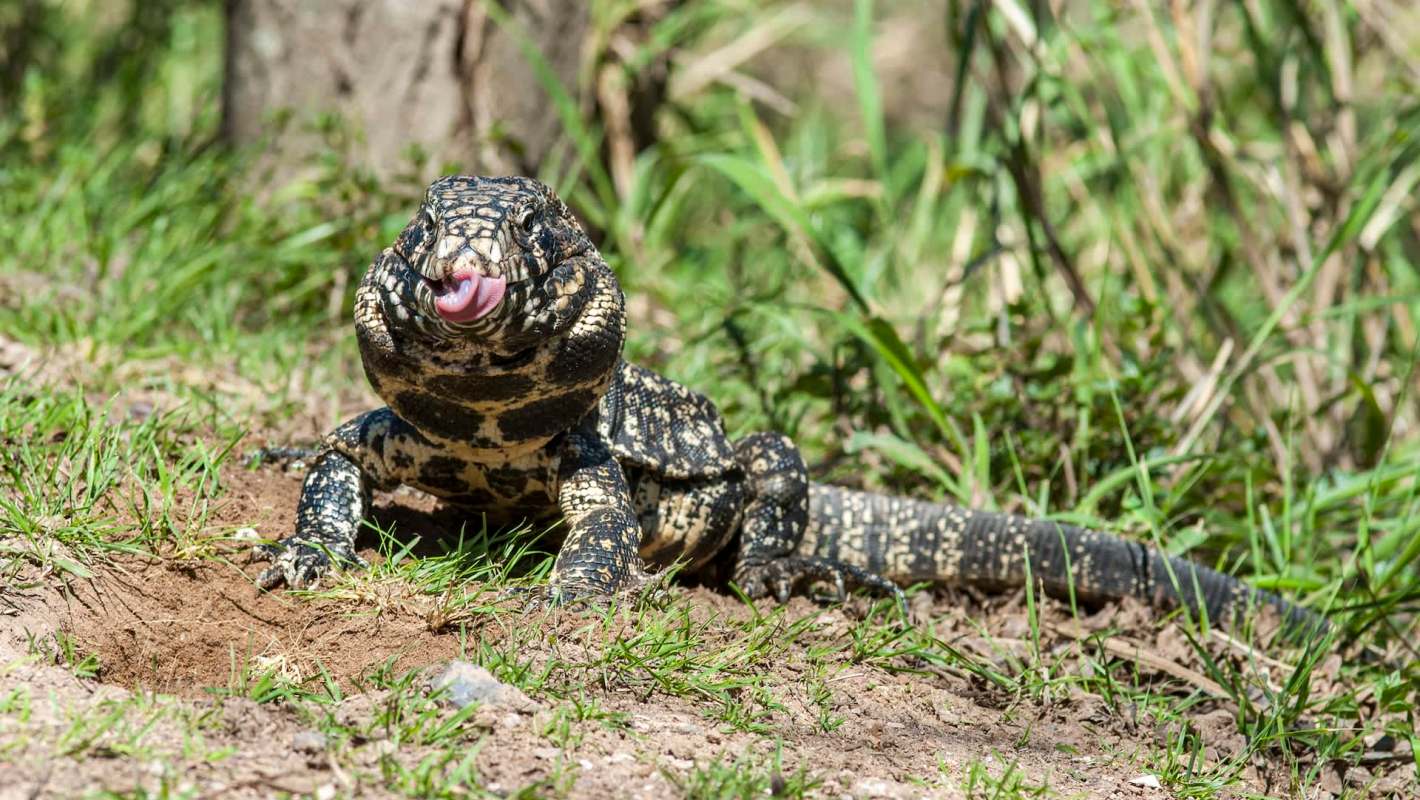
Wildlife agencies across the South are trying to slow the spread of the Argentine black-and-white tegu, an invasive lizard that can reach 4 feet in length and is known for raiding the nests of birds and reptiles.
As reports turn up outside Florida and in neighboring states, worries are growing among communities focused on safeguarding native animals and vulnerable ecosystems.
What happened?
Native to South America, the Argentine black-and-white tegu became established in the United States after pet-trade introductions in Florida in 2006, according to AOL.
Florida remains the main hotspot, but officials are also seeing tegus in Georgia, Texas, South Carolina, and Alabama.
There is also concern that Louisiana could be next if wild populations have not already become established there.
According to the Florida Fish and Wildlife Conservation Commission, tegus can reach 10 pounds or more. They usually do not climb very high, but they are capable swimmers.
TCD Picks » Quince Spotlight
💡These best-sellers from Quince deliver affordable, sustainable luxury for all




Records in the University of Georgia's EDDMapS database show about 11,797 positive reports in Florida, along with 23 in Georgia, five in South Carolina, four in Texas, and one in Alabama.
Louisiana had no reports listed in that database at the time. Still, the state moved in 2023 to prohibit keeping several non-native reptiles, including the Argentine black-and-white tegu, without a permit.
Why does it matter?
Tegus are not known to actively seek out people, but they can defend themselves with sharp teeth, claws, powerful jaws, and tail strikes when threatened.
The larger concern is the damage they can do once established in the environment.
Their diet includes eggs from ground-nesting birds such as quail, turkey, and chicken, as well as reptile eggs from species including the American alligator and gopher tortoise. They also consume produce, vegetation, pet food, and small animals.
That broad diet can harm native species, disrupt food webs, and create new problems for landowners, farmers, and wildlife managers.
Invasive species like tegus add pressure to ecosystems already strained by habitat loss and climate-related stress. Declines in native wildlife can also affect local economies, outdoor recreation, and natural spaces.
What are people saying?
Tegus reproduce quickly and have few predators, making early detection especially important. The species is considered invasive in Louisiana.
According to the Georgia Wildlife Resources Division, tegus are not protected by law and can be killed on private property with landowner permission, or on Wildlife Management Areas with appropriate firearms during hunting season.
At the same time, local ordinances and animal cruelty rules still apply.

Get TCD's free newsletters for easy tips, smart advice, and a chance to earn $5,000 toward home upgrades. To see more stories like this one, change your Google preferences here.







