


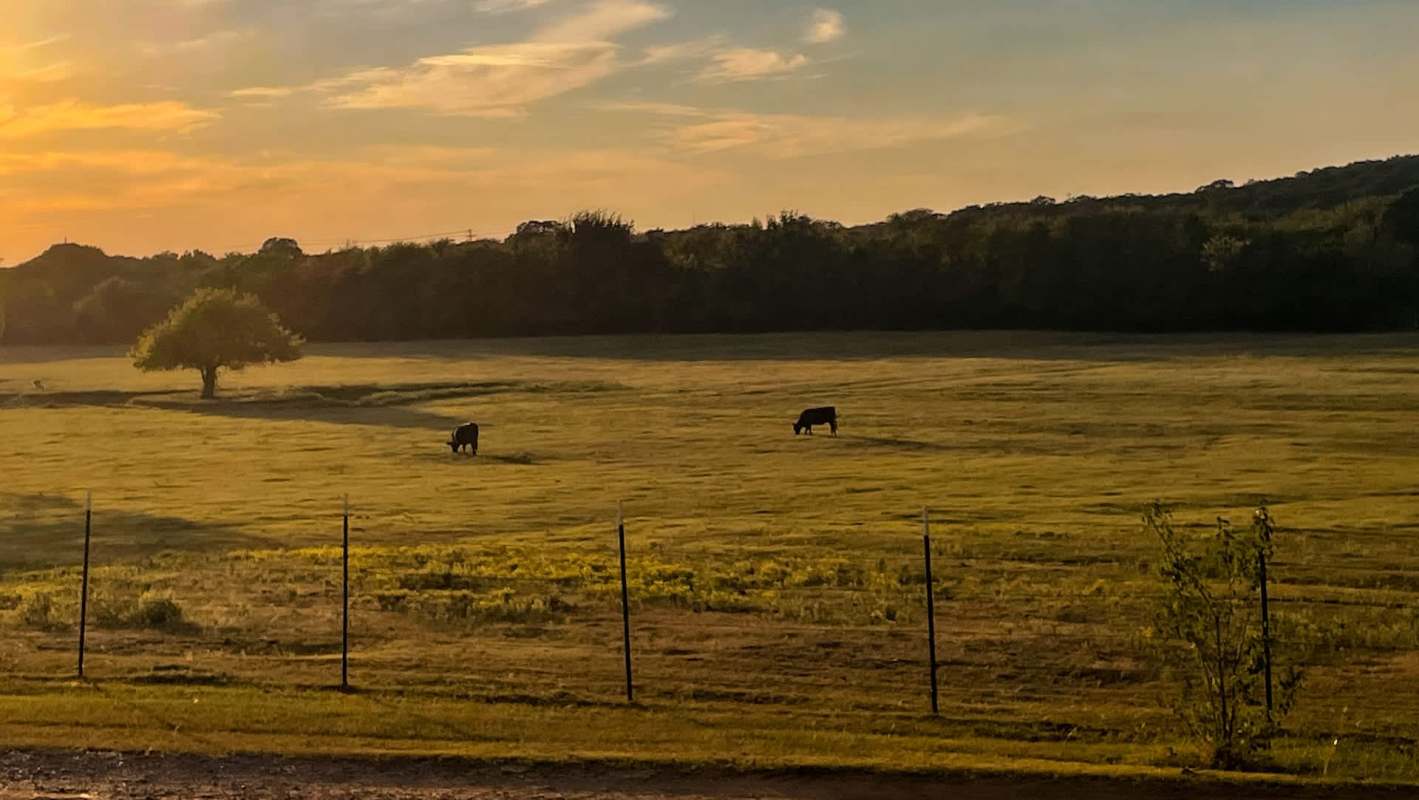
A Texas land dispute is sparking outrage after residents learned that nearly 88 acres donated so local children could have a park is set to become part of a data center project.
For many people in Taylor, the controversy is about more than a new development. It is about whether a promise made to the community can be pushed aside once enough money is on the table.
What happened?
As 404 Media reported, Blueprint bought the land in 2025 for $10 million after it moved through a public trust, a nonprofit, the City of Taylor, and then the Taylor Economic Development Corp.
The tract traces back to a 1999 transfer from a farmer known as Mr. Bland for a nominal $10, with deed language requiring that it be used as parkland.
A July 7, 1999, land deed was unearthed by opponents of the data center. The legal document stipulates that the 87.97 acres of land "be held in trust for future use as parkland."
Plans for a 135,000-square-foot data center have turned that core issue into a legal fight.
TCD Picks » Quince Spotlight
💡These best-sellers from Quince deliver affordable, sustainable luxury for all




Pamela Griffin, a longtime resident who said she grew up on and around the farmland, recalled Bland's purpose through remarks she said the patriarch made to her father. "I see the kids don't really have nowhere to play," he said, according to Griffin, as 404 Media reported. "I'm thinking about giving this land for parkland because these kids need somewhere to play."
Why does it matter?
Neighbors say the project could lower property values as well as bring noise, heavy electricity use, excessive water consumption, and air quality problems.
Griffin said she did not know about the proposed development until organizers began calling residents in 2025.
City officials have reportedly said zoning laws limit how much they can do to stop the development even though the project requires planning and building permits.
Supporters of the proposal have pointed to an estimated $30 million in tax revenue over the next decade, including roughly $20 million for the local school district. Proposed mitigation measures include a barrier wall, landscaping, closed-loop water cooling, and a dedicated power substation.
Residents say those assurances do not outweigh environmental concerns or the loss of land intended for children and the community.
After a series of court fights in which Blueprint has prevailed, Griffin and her family are taking the case to the Third Court of Appeals in Austin.
"I'm not fighting just because of a data center," Griffin said. "I'm fighting because this land was deeded for parkland."

Get TCD's free newsletters for easy tips, smart advice, and a chance to earn $5,000 toward home upgrades. To see more stories like this one, change your Google preferences here.






