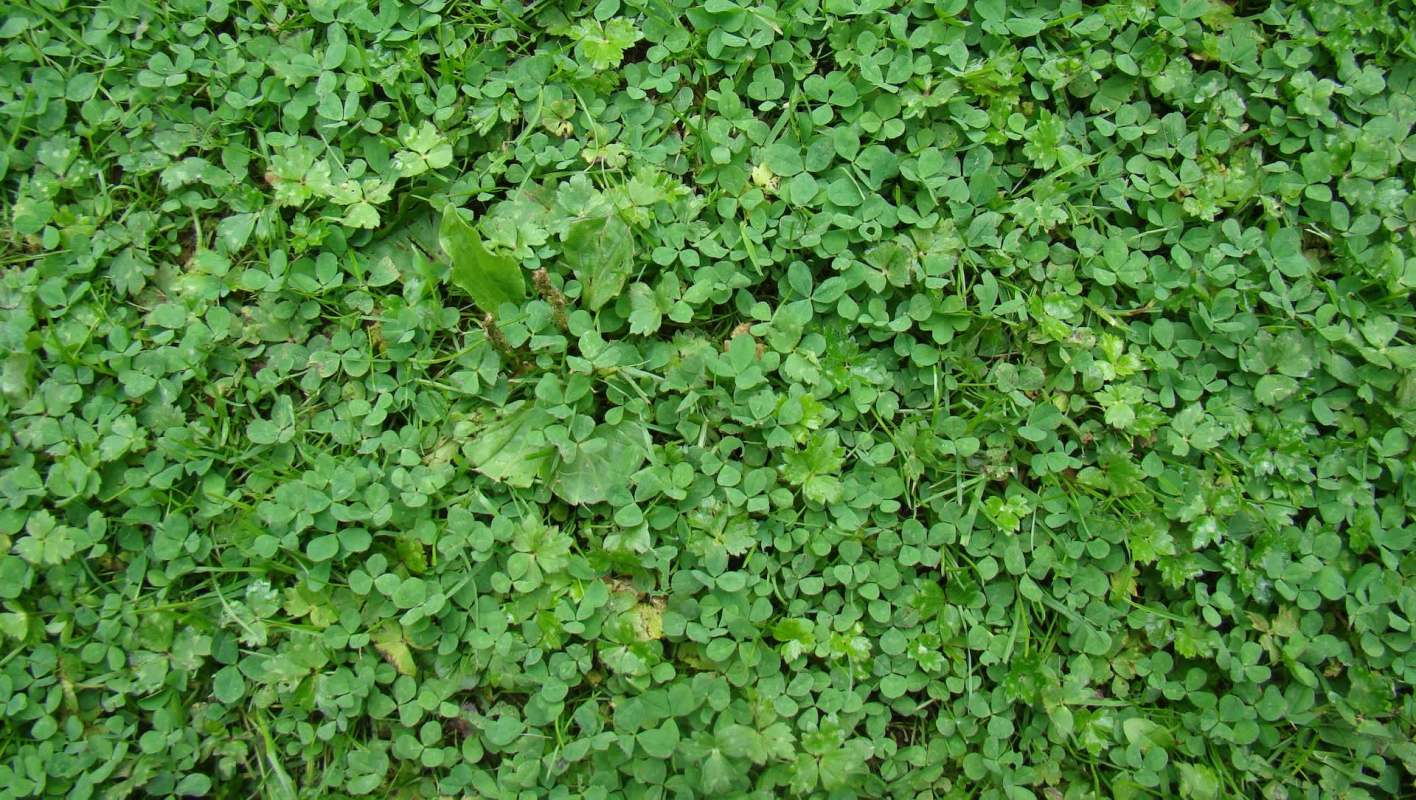
A dispute over curb appeal is unfolding in many HOA neighborhoods across the country, driven less by neglect than by changing ideas about what a well-kept lawn should look like.
Homeowners are increasingly swapping out water-hungry turf for clover, native plantings, and wildflower gardens, but some homeowners association boards treat those lower-maintenance choices as rule violations that can lead to warnings and fines.
What's happening?
In HOA communities nationwide, according to AOL, front yards have become a point of conflict as residents question whether the standard should remain closely cropped grass and clipped hedges or expand to include more sustainable landscaping.
Options such as "xeriscaping," which focuses on drought-resistent plants, clover lawns, and native plants can lower water consumption, reduce upkeep expenses, and provide habitat for bees and butterflies.
Many HOA covenants, however, were drafted under old expectations that prioritize uniform green lawns and tightly managed appearances.
Because of that gap, ordinary landscaping changes can escalate into official disputes. Homeowners who remove turf in favor of native grasses or pollinator gardens may get violation notices within days, while HOA boards maintain that such rules are necessary to preserve neighborhood standards and property values.
TCD Picks » Good Store Spotlight
Get 10% off your next purchase with code TCD10

In some places, the disagreement does not stop at warning letters. Homeowners who say their yards are intentional, neat, and better matched to climate conditions can face fines, hearings, and even legal ramifications.
Why does it matter?
Conventional lawns can be expensive and resource-intensive, often needing substantial watering, regular mowing, and repeated chemical treatments at a time when drought is affecting more households.
In especially arid areas, moving away from turf and toward drought-tolerant landscaping can produce big savings and reduce strain during water restrictions.
It also reflects a broader tension over HOA control.
Residents may have to spend to maintain an appearance they no longer value when neighborhood rules lag behind the times.
Native gardens can help pollinators and support biodiversity in areas where standard lawns offer little habitat. When HOAs discourage those yards, neighborhoods can lose chances to become more resilient and wildlife-friendly.
What's being done?
Some HOA communities are beginning to adjust, according to AOL. Instead of prohibiting alternative landscaping, they're trying guidelines that permit native plants or low-water designs as long as homeowners keep defined borders, visible walkways, and a manicured looks.
Cities and towns are also providing rebates and other incentives for water-smart landscaping. Those programs can make it easier to argue for updating covenants that no longer match local climate realities.
With more neighborhoods facing drought, higher costs, and changing preferences, the idea of what counts as a "well-kept" yard is shifting. That could mean fewer water-dependent lawns and more front yards planned around both practicality and visual appeal.

Get TCD's free newsletters for easy tips, smart advice, and a chance to earn $5,000 toward home upgrades. To see more stories like this one, change your Google preferences here.