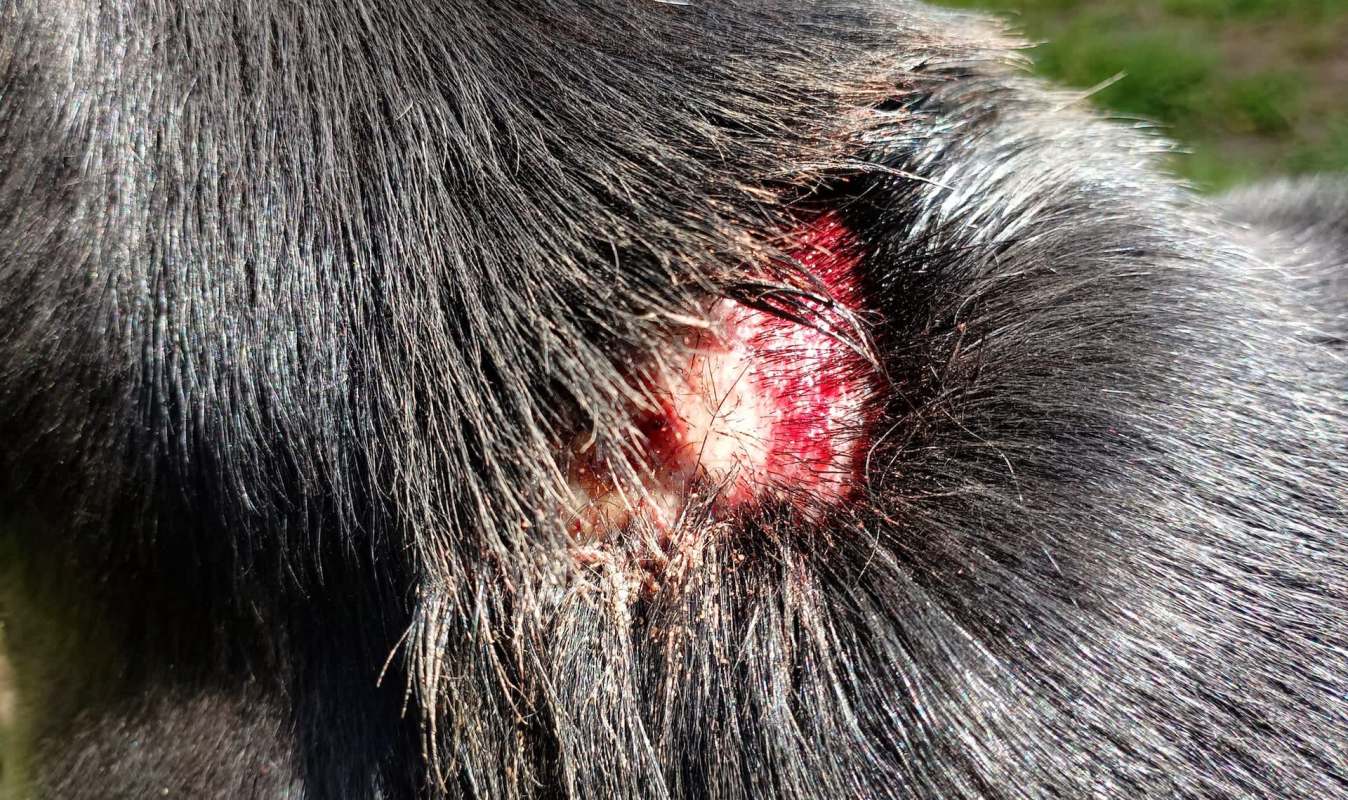
A parasite that the United States eliminated decades ago is drawing fresh concern again, and a newly identified infection in a New Mexico dog is raising fears that the outbreak may no longer be limited to Texas.
What's happening?
On Monday, June 8, the U.S. Department of Agriculture announced several more New World screwworm detections, Gizmodo reported. The announcement came only days after officials confirmed the first local livestock infection in Texas seen in decades.
The insect behind the outbreak is the parasitic fly Cochliomyia hominivorax, better known as the New World screwworm. Unlike flies that feed on dead tissue, this species targets living flesh: Adults deposit eggs in open wounds or mucous membranes, and the larvae then burrow into the body, causing serious tissue damage.
According to the USDA, four infections have now been found in Texas, including calves in southern Texas and cases in La Salle and Gillespie counties, Gizmodo noted. A separate case involved a dog in Lea County, New Mexico, though it was first recorded in Texas because the veterinarian who reported it was based there.
Authorities say the dog's infection is likely an isolated event. Even so, determining where the animal was exposed is difficult because it had not recently traveled to either Texas or Mexico.
Why does it matter?
Livestock face the biggest risk, but the threat is broader than that. Pets can also be infested, and humans are vulnerable as well, especially if wounds go untreated, which makes fast diagnosis and care important, even though this is not a person-to-person outbreak.
TCD Picks » Quince Spotlight
💡These best-sellers from Quince deliver affordable, sustainable luxury for all




Economically, the greatest danger is to ranchers and the food supply. Past U.S. outbreaks were especially damaging to cattle, and the USDA has estimated that a comparable event today could cost the Texas economy alone $1.8 billion, as Gizmodo reported.
Shoppers could feel the effects, too. If the parasite spreads through herds, the resulting losses could help keep beef prices high at a time when many households are already stretched at the grocery store.
The New Mexico dog infection also suggests that the fly is showing up beyond the areas officials had most anticipated, which would make the outbreak harder to contain.
What's being done?
The USDA says containment efforts are already underway around every known case. Officials are also examining the area near the infected New Mexico dog to see whether nearby fly populations may have become established.
A major part of the response is releasing sterile male flies. Because that strategy prevents successful reproduction, it can reduce screwworm numbers.
The federal government is also trying to expand sterile-fly production. Gizmodo reported that construction began in April on a Texas facility for that purpose, but the plant is not expected to begin operating before November 2027, leaving a sizable gap in the response.
For now, practical precautions include keeping wounds on pets and livestock clean and covered, checking them for maggots or unusual irritation, getting veterinary or medical help quickly, and reporting suspected infections through the USDA's screwworm reporting system.

Get TCD's free newsletters for easy tips, smart advice, and a chance to earn $5,000 toward home upgrades. To see more stories like this one, change your Google preferences here.