


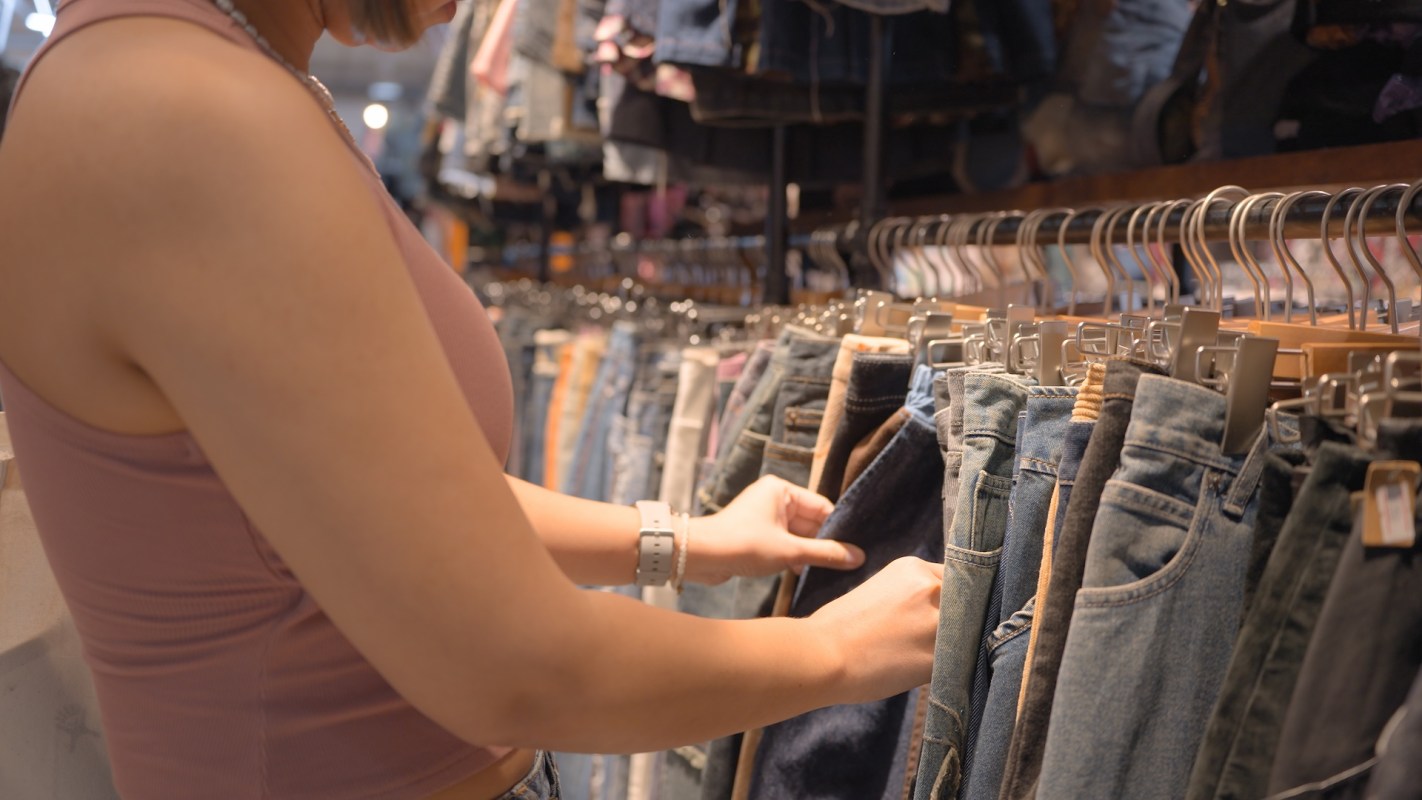
Thrifting often feels like a bargain, whether the find is a designer piece or a basic essential. But one thrift expert says the habit that wastes the most money in secondhand shopping is not about the sticker price.
What's happening?
Younger shoppers are driving this shift, Newsweek reported. Citing ThredUp's 2025 Resale Report, the outlet said 58% of consumers bought secondhand apparel in 2025, motivated by lower costs, the excitement of finding something, and the chance to buy higher-end brands.
London-based thrift expert Lissy Clow told Newsweek that the biggest mistake is approaching thrift stores and resale apps the way people approach regular retail — chasing trends, shopping for one-off events, or browsing without a plan.
"We're now in a time where buying second-hand is more accessible than ever," said Clow, a marketing and community manager at Fleek, an online marketplace specializing in wholesale vintage and secondhand fashion goods. "That accessibility is wonderful, but it's exactly what's quietly turning bargain-hunting into a bad spending habit for a lot of people."
On TikTok, where she posts about thrifting and styling, Clow said shoppers often confuse a cheap item with a smart buy. "They go in with no focus and no idea what's missing from their wardrobe—so they end up 'saving' money on a fourth white blouse with the same collar/details as the three they already own," she said, according to Newsweek.
Why does it matter?
Secondhand shopping can keep usable clothes in circulation longer and cut textile waste by reducing demand for new production. It can also lower the cost of everyday necessities, help people stretch their budgets, and make rare or high-quality items available at steep discounts.
TCD Picks » Quince Spotlight
💡These best-sellers from Quince deliver affordable, sustainable luxury for all




Newsweek noted that CouponFollow estimates that thrifting saves shoppers an average of $1,760 a year. But those benefits fade quickly when the clothes people buy go unworn.
As Clow put it, "A bargain you'll never wear isn't a bargain. It's just cheaper clutter, and it's the fastest way to waste money while feeling like you're being savvy and shopping sustainably."
What are people saying?
Clow's message is to be deliberate rather than impulsive.
She said the convenience of secondhand shopping can become part of the problem when people stop buying with a real purpose in mind.
Her suggestions include keeping a thrift list, negotiating online when possible, and prioritizing items that actually fill a need in a wardrobe.
"These are garments that have already lived a life before they reach you," Clow said, according to Newsweek. "The whole point is to extend their lifespan, not to cycle through them as fast as we cycle through new clothes."

Get TCD's free newsletters for easy tips, smart advice, and a chance to earn $5,000 toward home upgrades. To see more stories like this one, change your Google preferences here.






