


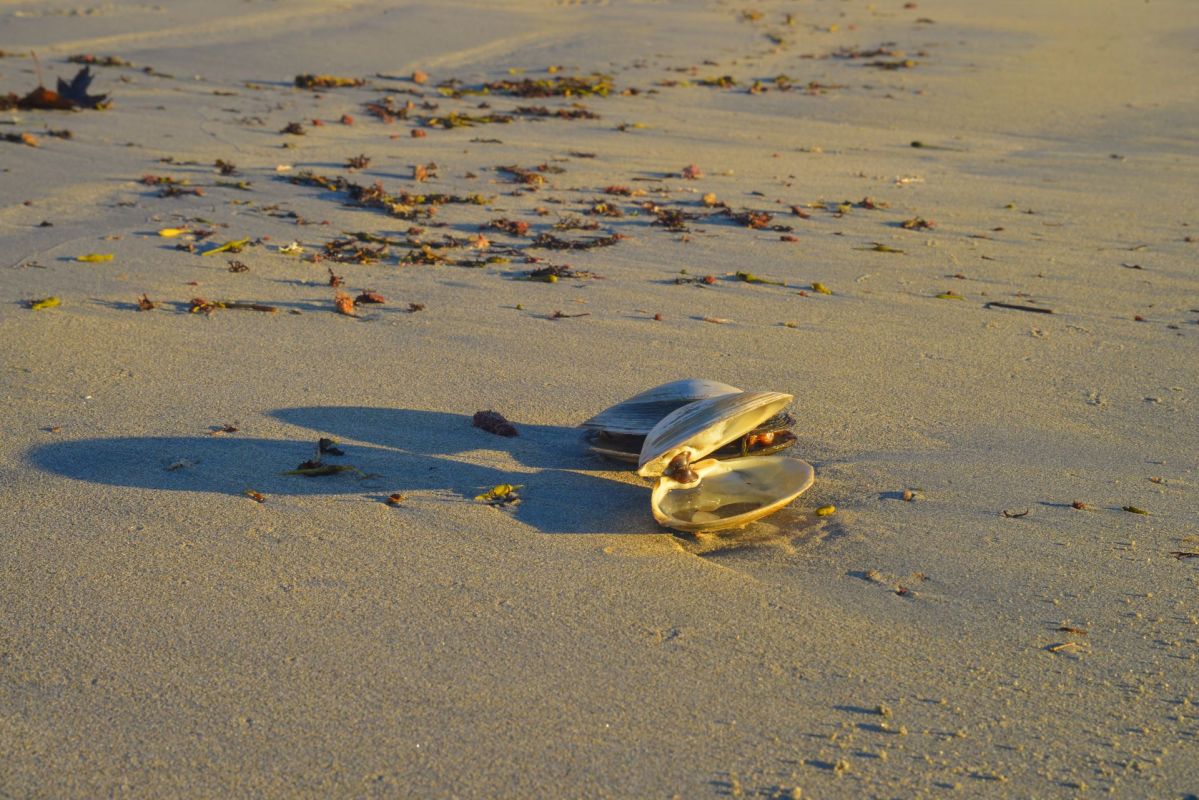
A clam born around 1498 survived the rise and fall of dynasties, wars, and industrialization — only to die when scientists tried to determine its age. That grim twist is why Ming, a 507-year-old ocean quahog, is making the rounds online again.
What happened?
A widely shared Reddit post highlights Ming, an Arctica islandica specimen collected near Iceland in 2006. Researchers traced the clam's birth to about 1498, giving rise to its Ming dynasty nickname, and confirmed that it lived to 507 years old — the oldest verified age for any non-colonial animal.
To determine its age, researchers at Bangor University froze the specimen open to count its yearly growth bands, accidentally killing it in the process.
As the top commenter put it: "Ming successfully avoided dying from natural causes for five centuries and immediately ran into humans."
Why does it matter?
Ocean quahogs are more than just unusual curiosities. Because they can live for centuries and form annual shell bands, they help scientists reconstruct past ocean conditions over remarkably long periods. Animals like Ming are valuable not only as record holders, but also as archives of how marine ecosystems change.
When a rare, long-lived animal is lost, part of that record disappears with it. At a time when communities around the world are already grappling with warming oceans, disrupted fisheries, and biodiversity loss, setbacks like this can slow efforts to improve conservation and plan more wisely for the future.
TCD Picks » Quince Spotlight
💡These best-sellers from Quince deliver affordable, sustainable luxury for all




"Humans ruin so many nice things. The animal kingdom would be far better off without us," one commenter wrote.
Another user questioned: "How do you 'accidentally' kill something by freezing it to death?"
What's being done?
Research methods continue to improve, and there is a growing emphasis on minimizing harm when studying rare or ecologically important animals.
Marine protected areas, sustainable seafood choices, and support for museums, universities, and conservation groups that prioritize low-impact research can all help protect marine life.
Dredging, habitat disruption, and underfunded conservation programs do not just affect isolated animals; they also shape food systems, coastal jobs, and ecosystem resilience.

Get TCD's free newsletters for easy tips, smart advice, and a chance to earn $5,000 toward home upgrades. To see more stories like this one, change your Google preferences here.






