


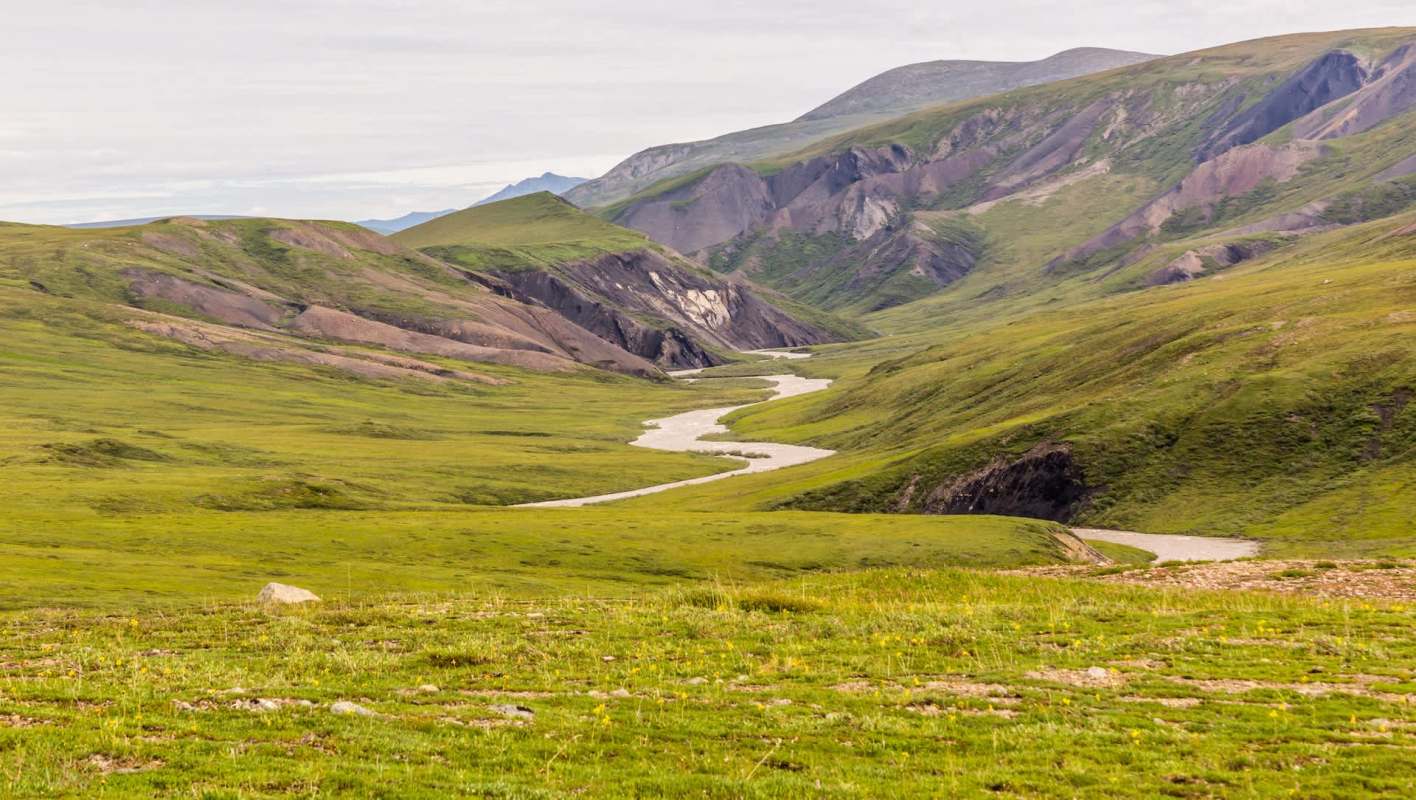
A new oil and gas lease auction in Alaska's Arctic National Wildlife Refuge is facing renewed criticism after only five of the 58 available tracts received bids, a result opponents say highlights both an ongoing controversy and doubts about the plan's economic appeal.
What happened?
The Bureau of Land Management put 58 tracts in the refuge's Coastal Plain up for bid, covering about 688,829 acres in all.
Interest was limited to five tracts totaling 72,049 acres, with bids submitted only by two companies, Hex Energy LLC and the state-run Alaska Industrial Development and Export Authority, KTUU reported.
The auction for previously protected lands brought in just $3.7 million, to be divided equally between the federal and state governments.
Administration officials portrayed the result as a positive sign for Arctic energy development, while environmental groups said the small number of bids showed demand was weak.
Bureau of Land Management Director Steve Pearce framed the outcome as encouraging. "The strong industry interest we saw today reflects confidence in Alaska's resource potential and the Trump administration's commitment to providing certainty for investment," he said.
TCD Picks » Quince Spotlight
💡These best-sellers from Quince deliver affordable, sustainable luxury for all




This marked the third straight lease sale in the refuge to go forward without any bids from major oil companies.
Why does it matter?
Conservation advocates view the Arctic National Wildlife Refuge as an especially sensitive ecosystem, saying the area provides important habitat for polar bears and other wildlife and also supports Indigenous communities that depend on the region.
Raena Garcia, senior energy campaigner for Friends of the Earth, warned the sale would cause "irreversible damage" to Alaska's Arctic region. "We must not sacrifice Coastal Plain to Big Oil in the face of a climate catastrophe."
Fossil fuel extraction and burning impact people and communities far beyond Alaska. The industry is a major driver of the planet-heating pollution that worsens extreme weather disasters capable of destroying homes, livelihoods, and local economies.
It also contributes to dirty air and contaminated water linked to asthma, heart disease, cancer, and premature death, while households are often left with high energy costs even as corporate profits soar.
Cooper Freeman, Alaska Center for Biological Diversity director, called the sale a "stunning yet predictable failure" and said it shows "that drilling in this pristine landscape is a dead end for the fossil fuel industry," per KTUU.
Bobby McEnaney, director of land conservation at the Natural Resources Defense Council, said in an Earthjustice press release, "Drilling in the Arctic Refuge is reckless, and the market keeps confirming it."

Get TCD's free newsletters for easy tips, smart advice, and a chance to earn $5,000 toward home upgrades. To see more stories like this one, change your Google preferences here.






