


Michigan is about to enlist a tiny new ally in its fight against one of its most troublesome invasive plants.
Later this month, officials plan to turn loose 4,000 weevils in Calhoun County in Michigan's first effort to use the insect to slow "mile-a-minute" weed.
What happened?
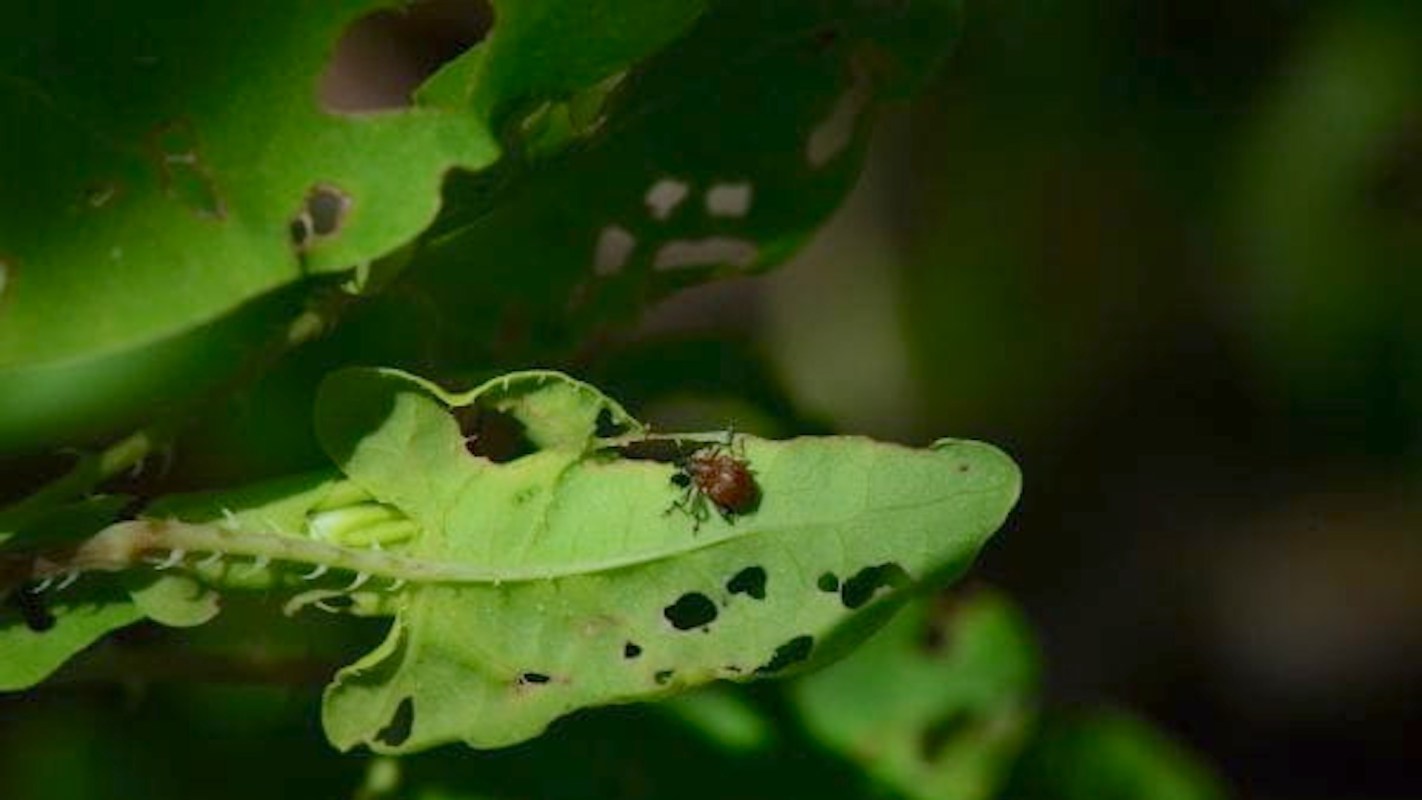
According to a statement from Michigan.gov, the Barry, Calhoun, Kalamazoo Cooperative Invasive Species Management Area is leading the state's first release of a beetle-sized weevil as a biological control for mile-a-minute weed, an invasive vine that can overrun forests.
Biocontrol works by using a pest's natural enemy instead of broad pesticide applications. Adult weevils eat the weed's leaves and flower heads, while larvae tunnel into stems, killing smaller plants and cutting seed production.
Under the plan, 1,000 adult weevils will be released at each of four infested locations.
Native to parts of Asia, the weevil has been used in the United States for more than 20 years to combat the vine.
TCD Picks » Quince Spotlight
💡These best-sellers from Quince deliver affordable, sustainable luxury for all




Any biocontrol species brought in from outside the country must be studied extensively before the U.S. Department of Agriculture allows its release, and the Michigan Department of Agriculture and Rural Development also issued a permit for this project.
Why is mile-a-minute weed matter?
Mile-a-minute weed can do major damage in forests, fields, and along the edges of farmland.
The vine can crowd out native plants and move into hayfields, orchards, vineyards and Christmas tree farms, threatening habitat and adding costs for landowners.
Because the weevil reproduces only on mile-a-minute weed, the goal is to reduce the invader without damaging desirable species.
Compared with repeated chemical treatments, it is also considered a more sustainable option.
So far, the weed has been limited to a small area of Calhoun County, giving Michigan a chance to act before it spreads farther. The plant's seeds can stay viable in the soil for up to six years and can be spread by birds, water, or people.
Officials are treating the release as a closely watched test rather than a one-time fix.
Over about a year, local invasive-species staff and researchers from Grand Valley State University plan to visit the four sites every two weeks.
During those checks, they will measure how much damage the weevils cause to the vine, whether they move into nearby infested areas, and whether they survive the winter in Michigan.
If the pilot proves successful, it could give the state a new tool to protect farmland, wildlife habitat, and outdoor spaces from a fast-moving invasive plant.

Get TCD's free newsletters for easy tips, smart advice, and a chance to earn $5,000 toward home upgrades. To see more stories like this one, change your Google preferences here.






