


Near Rotterdam, a working dairy farm is opening a cultivated meat facility unlike any yet seen in the food industry.
On June 5, the Dutch site began operations of what Food Manufacture described as the world's first dedicated cultivated meat farm.
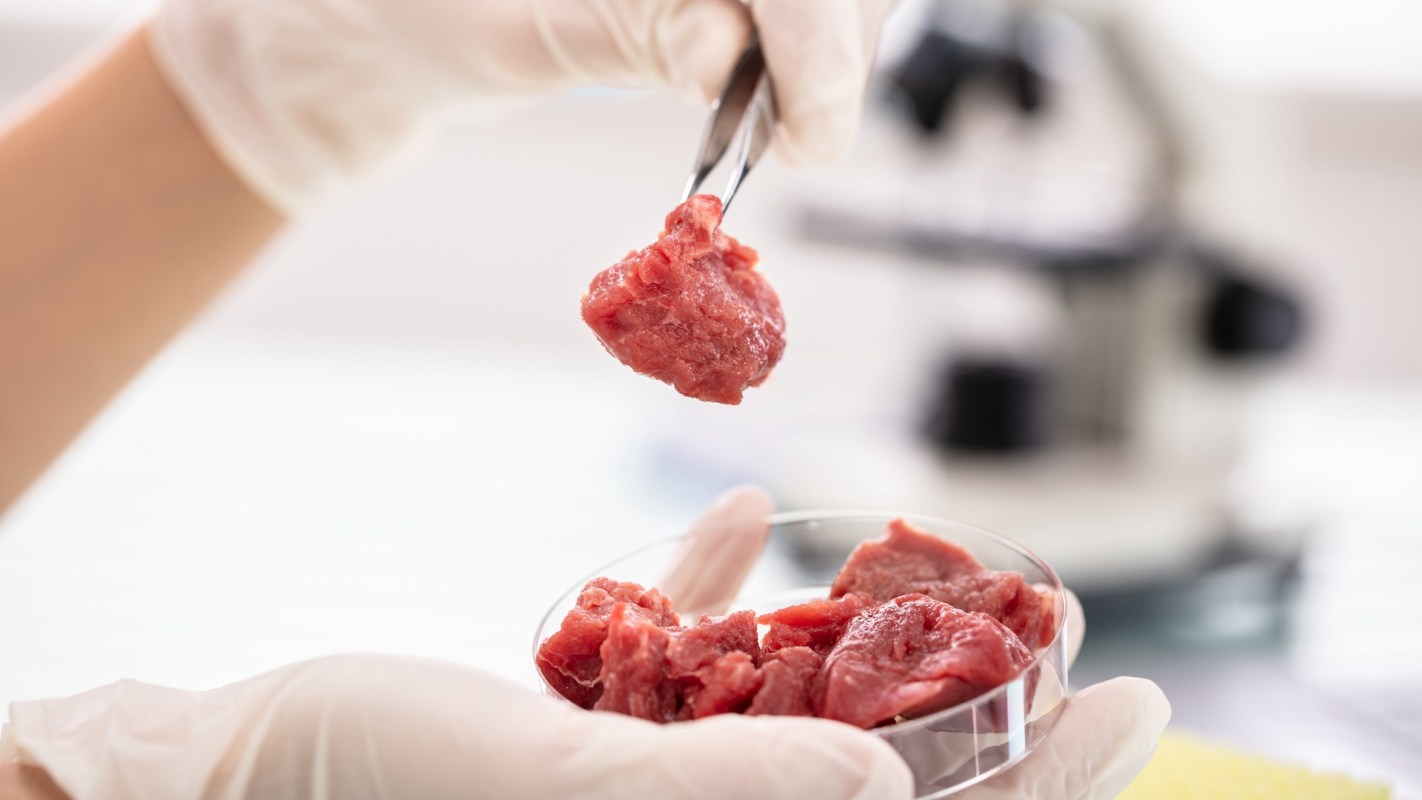
Cultivated meat is a practice of taking cells from real animals and then growing them further in a laboratory environment. Advocates say it reduces the need to kill as well as how many resources are required to produce meat, while detractors have raised questions about whether the practice is "tampering with nature" or may threaten the livelihood of livestock farmers.
The Dutch effort aims to address at least the latter concern, turning a farm's live animals as more of a living resource than a short-lived meat source.
What's happening?
The Schipluiden location of RespectFarms sits between Rotterdam and The Hague and is now set up within an active dairy operation, Food Manufacture reported. Reaching this stage came after years of development, collaboration, and debate about how cultivated meat could fit into the wider food system, NL Times detailed.
The project takes a different route from the usual focus on large centralized plants, similar to a company in the United States called Evergreen, formerly named Omeat.
TCD Picks » Quince Spotlight
💡These best-sellers from Quince deliver affordable, sustainable luxury for all




Built with dairy farmer Corné van Leeuwen and ecosystem partners, RespectFarms is meant to test a decentralized model tied to farms and examine whether cultivated meat could become an additional source of income for farms while keeping farmers central to future food production, according to Food Manufacture.
RespectFarms also plans to use the site as an experience center, the outlet reported. In that role, farmers, policymakers, researchers, students, and citizens will be able to engage directly with the technology and the broader questions around the future of food production.
"This project is about exploring how farmers can participate in and help shape the future of cultivated meat," co-founder Ira van Eelen told Food Manufacture.
Why does it matter?
Cultivated meat has often been framed as a high-tech product developed far from the people who have traditionally produced food. RespectFarms' model places it on a working farm instead.
If successful, the approach could give farmers another revenue stream and broaden how cultivated meat is produced.
The site is also designed as a public-facing facility where visitors can see how the process works, ask questions, and form their own opinions.
The farm-based setup could help bridge food innovation and rural livelihoods. Since lab-grown meat can use less land and water while contributing less pollution than conventional agriculture, this innovation could be a boon for farmers and the planet.
What's being done?
The team is using the dairy farm setting to test whether cultivated meat production can fit alongside existing agricultural activity instead of operating in a separate environment.
"RespectFarms brings a global challenge back to farm scale," co-founder Ralf Becks explained to Food Manufacture.
That goal also extends to the Experience Centre. Opening the site to students, citizens, and decision-makers could make conversations about future food production more transparent and more grounded in practice.
The company's message is straightforward.
"We're building a model where farmers remain at the centre of food production, not replaced by factories," van Eelen told Food Manufacture.

Get TCD's free newsletters for easy tips, smart advice, and a chance to earn $5,000 toward home upgrades. To see more stories like this one, change your Google preferences here.






