


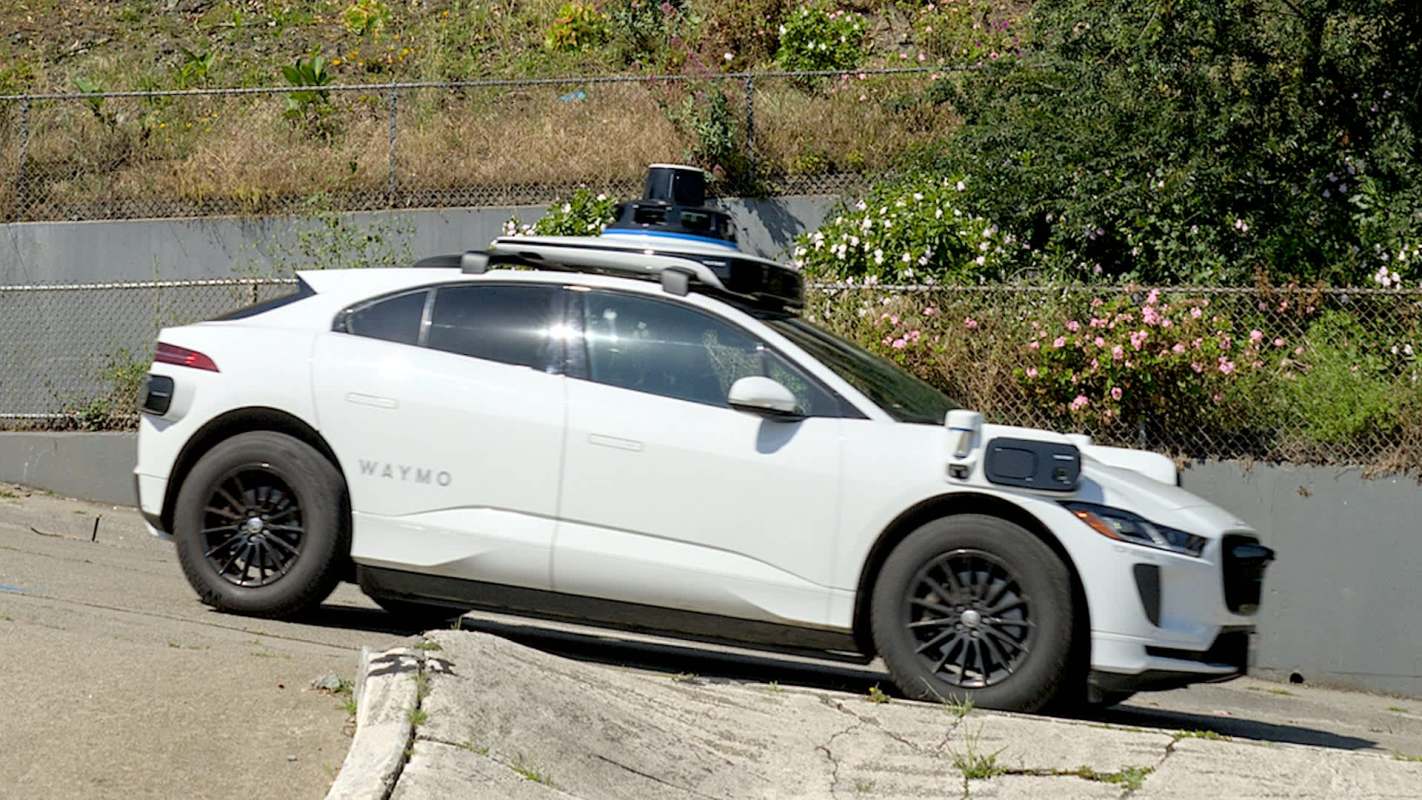
After their time on the road ends, batteries from Waymo's robotaxi fleet are not going off into the sunset.
As Electrek reported, the packs will instead help power grids in California and Texas after sunset. It is a clean energy move that could help keep electricity available during surges in demand.
What happened?
Under a newly announced partnership with battery repurposing company B2U Storage Solutions, Waymo will redirect batteries from its electric robotaxis into new uses once they are no longer fit for driving.
Rather than sending the battery packs immediately to recycling facilities, the companies plan to deploy them in grid-connected storage projects.
These installations will hold electricity when supply is high and discharge it when the grid faces stress. The first projects are planned for California and Texas, where Waymo already runs autonomous ride-hailing services.
The deal gives old battery packs another stage of use, allowing their materials to remain in circulation for years before recycling happens.
TCD Picks » Quince Spotlight
💡These best-sellers from Quince deliver affordable, sustainable luxury for all




Why does it matter?
Even after they are retired from vehicles, EV batteries can still have a substantial amount of capacity left. Using them in stationary storage gets more return from the materials and energy that went into making them and reduces how much every storage project must rely on newly manufactured battery materials.
On the grid, these retired batteries can soak up surplus renewable electricity during low-demand stretches and deliver it back during peak-use hours. That flexibility can steady the grid during heat waves, busy evenings, and other times when blackouts or service disruptions are likely.
Repurposed batteries may also come with a price benefit. B2U said second-life packs can reduce storage costs compared with projects made entirely from newly manufactured battery materials.
If utilities and grid operators can add capacity at lower costs, cities and companies may be able to expand backup power and renewable integration more quickly and save time and money while improving reliability for local communities.
What are people saying?
B2U sees the partnership as a way to unlock more value from batteries that still have useful life left.
"By extending the use of these batteries as grid storage, we are monetizing the full potential of EV batteries, now providing crucial stability to the power grid as energy demand continues to grow," B2U CEO Freeman Hall said.
Waymo head of sustainability and environment Adam Lenz framed the deal as both an economic and environmental win in boosting the circular economy and aiding clean energy growth.
"Through this partnership, we can repurpose our batteries for local grid storage and ensure our batteries continue to provide economic and environmental value to the community long after they've retired from the road," Lenz said.

Get TCD's free newsletters for easy tips, smart advice, and a chance to earn $5,000 toward home upgrades. To see more stories like this one, change your Google preferences here.






