


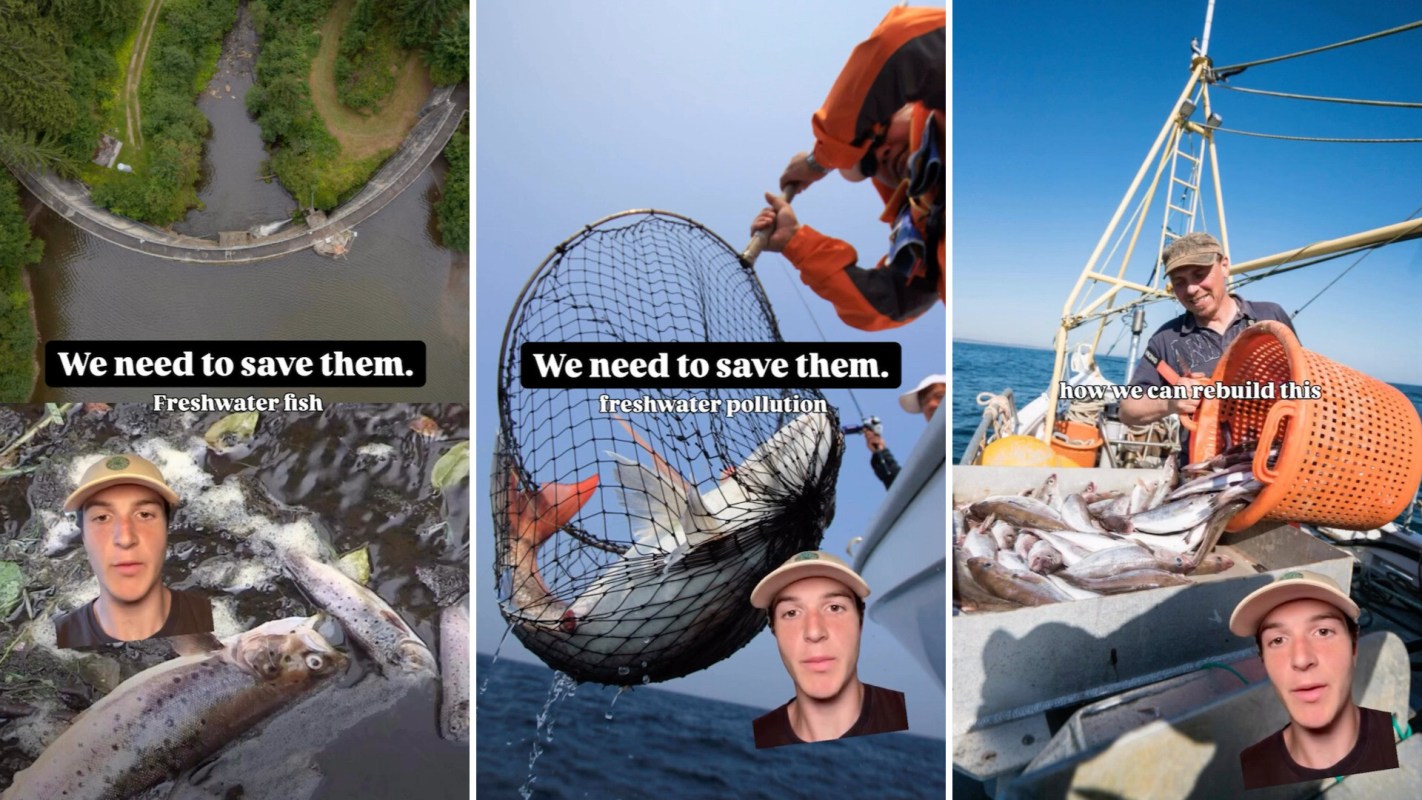
A stark warning about the world's rivers is gaining traction online.
Freshwater vertebrate populations have declined by roughly 83% since 1970, according to figures cited in a recent Instagram Reel from environmental creator Zephyr Zoidis (@zephzoid).
The post presents the collapse as more than a wildlife story. It also suggests that waterways communities rely on for food, jobs, and healthy ecosystems are being pushed beyond their limits.
In the Reel, Zoidis points to a sweeping decline in freshwater life, saying the crisis is driven by multiple pressures rather than a single cause.
The video points to overfishing, river fragmentation caused by dams, water extraction, invasive species, and widespread pollution, including chemical contamination and PFAS.
It also links the problem to industrial agriculture, which Zoidis describes as both the world's largest user of freshwater and a major source of freshwater pollution.
TCD Picks » Quince Spotlight
💡These best-sellers from Quince deliver affordable, sustainable luxury for all




Zoidis argues that market power has become concentrated in a small number of agribusiness companies, hollowing out smaller producers while encouraging extractive practices that put additional strain on land and water.
He describes dried-up riverbeds and disappearing fish as visible warning signs that freshwater systems are under severe stress.
When freshwater fish disappear, the damage does not stop at biodiversity loss.
Rivers support local food systems, commercial and recreational fishing, and cultural traditions that many communities have depended on for generations.
The same pollution that degrades fish habitat can also make waterways less safe and less resilient for people.
When ecosystems are overwhelmed by fertilizer runoff, chemical contamination, or altered water flows, communities can face weaker fisheries, degraded landscapes, and fewer economic opportunities tied to healthy rivers.
The health of rivers is closely tied to food security, regional livelihoods, and the well-being of the places people call home.
Zoidis also says freshwater ecosystems can rebound quickly when key pressures are removed.
He points to the Klamath River as an example.
After habitat improvements opened up newly accessible stretches of river, more than 6,000 Chinook salmon were reportedly observed migrating upstream in just two weeks.
A year later, scientists said salmon were returning to nearly every corner of their historic habitat.
Zoidis cites restoring river connectivity, reducing pollution, and protecting habitat as steps that can produce visible results, especially when communities and decision-makers address root causes rather than treating declines as inevitable.
He emphasizes supporting more sustainable fishing practices and buying from local seafood providers when possible.
"Freshwater fish are disappearing and this could be the end if we don't do something," the post says.
But the post also stresses that "when causes are addressed, freshwater fish populations can recover with stunning speed."

Get TCD's free newsletters for easy tips, smart advice, and a chance to earn $5,000 toward home upgrades. To see more stories like this one, change your Google preferences here.






